Campaigner says school meal standards need in-house cooks and funding
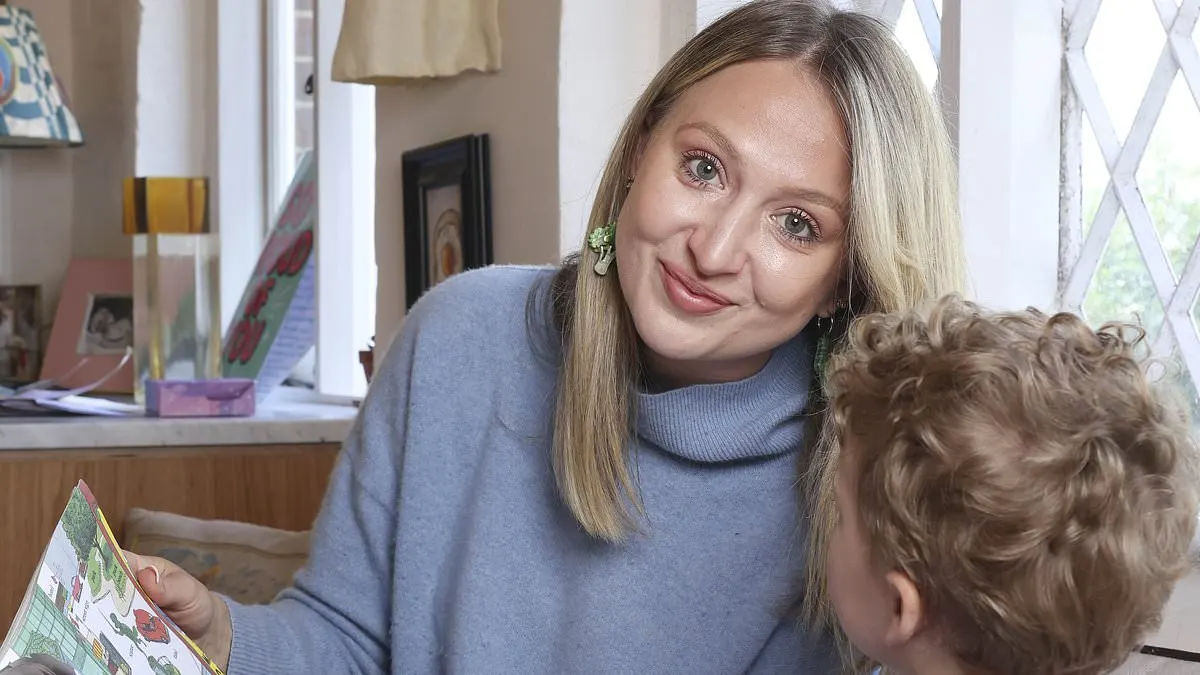
Food campaigner Dr Dolly van Tulleken argues that improving school meals requires schools to employ and train their own cooks, rather than rely on large catering firms. She says the companies have failed to meet existing standards and that the new rules will have little effect unless schools receive funding and support to prepare meals themselves.
The government’s updated food standards, due to take effect next September, aim to reduce fried and sugary options and increase vegetables and fibre. Bite Back found in August that more than three-quarters of secondary school menus breached current standards. Van Tulleken points to a group of West Sussex primary schools that ended its catering contract and developed a cheaper, better in-house system; she also says the new guidance does not address ultra-processed foods.
- Dolly van Tulleken wants schools to bring cooks back into their kitchens.
- New meal standards take effect next September.
- Bite Back found over three-quarters of secondary menus breached current rules.
New here? Start with this
Schools in England provide millions of meals to children each day, and ensuring these meals are nutritious has been a long-standing concern. Currently, more than three-quarters of secondary schools' menus breach existing food standards, which are designed to limit fried and sugary foods whilst increasing vegetables and fibre. Many schools use large catering companies to prepare meals rather than running their own kitchens.
Food campaigner Dr Dolly van Tulleken argues that simply updating the rules will not solve this problem. She says schools should employ their own cooks and operate their own catering systems, contending that the major catering firms have failed to meet current standards. She points to a group of primary schools in West Sussex that cancelled their catering contract and created their own in-house system, which they found to be both cheaper and of higher quality.
The government is introducing updated food standards that will take effect next September, tightening rules on fried foods, sugar and processed items whilst increasing requirements for vegetables and fibre. However, van Tulleken argues that without dedicated funding and support to help schools establish their own kitchens, the new standards will have limited effect. She also notes that the updated guidance does not address ultra-processed foods.
Both sides, in good faith
The strongest fair case each way — we don't pick a winner.
The case for
Schools should employ in-house cooks to ensure quality and accountability because large catering firms have demonstrably failed to meet existing nutritional standards whilst prioritising cost efficiency over children's health. The West Sussex example proves that in-house systems can be both cheaper and more nutritious, offering schools direct control over meal quality and the ability to respond to their community's specific needs and values rather than accepting standardised menus designed to minimise expenditure.
The case against
Large catering companies provide professional expertise, economies of scale, and operational consistency that most schools cannot match independently. Outsourcing allows schools to focus resources on education rather than complex kitchen management, food safety compliance, and staffing; the solution lies in stronger regulation and enforcement of existing standards rather than requiring every school to develop entirely separate catering operations with substantial capital investment and ongoing management burdens.
Read the full article at the source →
Originally published by Daily Mail as “School lunches will only get better when cooks return to canteens and large catering companies are shown the door, says top food scientist”.