World news and discussion on TalkFuse.
Scientist reveals ‘compelling evidence’ the testimony of Jesus Christ rising from the dead is TRUE
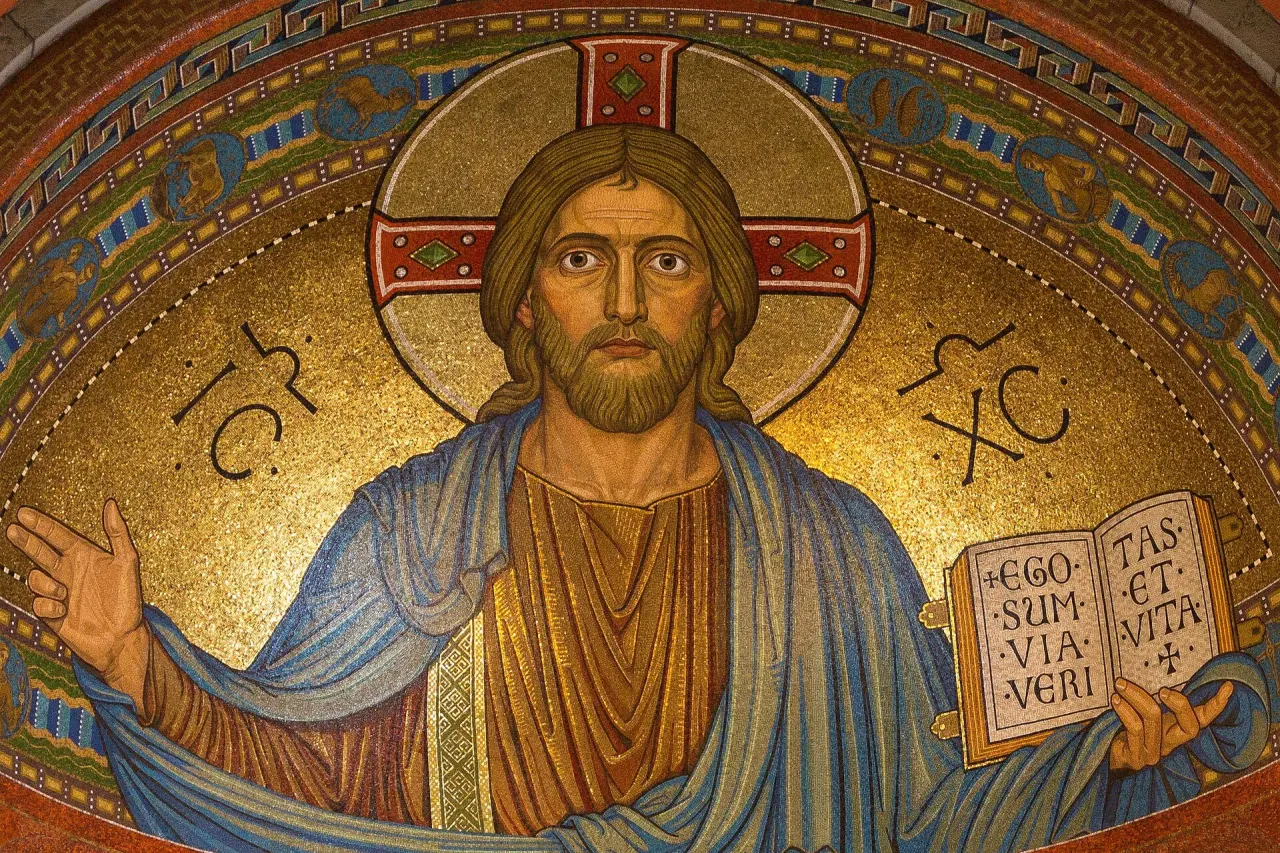
A US scientist has used mathematical modelling to argue that early Christian accounts of Jesus appearing after his death are consistent with witnesses sincerely believing what they reported. Nathan Rockwood of Brigham Young University says a fabricated story would have had a high chance of being exposed over time, though his analysis addresses the likelihood of deception rather than proving the resurrection happened.
Rockwood estimated that, if each witness had a one per cent annual chance of disclosing a fabrication, a story involving 16 witnesses would have a 95 per cent chance of exposure within 28 years; with 23 witnesses, it would take 17 years. The witness groups were assembled from Christian texts and are not independently verified, and the one per cent disclosure rate is an assumption. His model also factored in estimated survival rates from ancient Roman data; scholars continue to dispute some accounts, including Paul’s reference to more than 500 witnesses.
In short
- A model estimates how quickly a fabricated resurrection story might be exposed.
- It gives a 95 per cent exposure chance within 28 years for 16 witnesses.
- The witness counts and disclosure rate rely on assumptions and Christian texts.
Steelman: both sides, in good faith
The strongest fair case each way — we don't pick a winner.
The case for
The modelling offers a way to assess whether a large group could have sustained a deliberate fabrication, and suggests that, under its assumptions, such a story might have been exposed over time. If the witness lists reflect genuine people and the disclosure risk is plausible, the accounts may be more consistent with sincere belief than coordinated deceit, which some readers regard as evidence worth considering.
The case against
The model estimates the chance that a fabrication would be disclosed; it does not establish that the reported appearances occurred or rule out mistaken perception, later embellishment or other explanations. Its conclusions depend on an assumed disclosure rate and witness groups drawn from texts whose numbers and independence are disputed, so the result may say little about the historical truth of the resurrection.
Explained simply
Christianity began in the first century, after the life and death of Jesus of Nazareth. Its central belief is that Jesus rose from the dead; accounts of people encountering him afterwards appear in the New Testament, the collection of early Christian writings.
Nathan Rockwood is a scientist at Brigham Young University, a US institution affiliated with the Church of Jesus Christ of Latter-day Saints. His modelling considers whether groups of people could have kept a made-up account secret, but its results depend on assumptions about how many witnesses there were and how likely they were to disclose a fabrication.
The accounts come from religious texts and are not independently verified, and scholars differ over how to interpret some of them. The modelling can inform discussion of whether the witnesses may have been sincere, but it cannot establish whether the resurrection occurred.