Weird & Viral news and discussion on TalkFuse.
Scientist warns officials against dismissing mystery object in solar system after mission is scrubbed
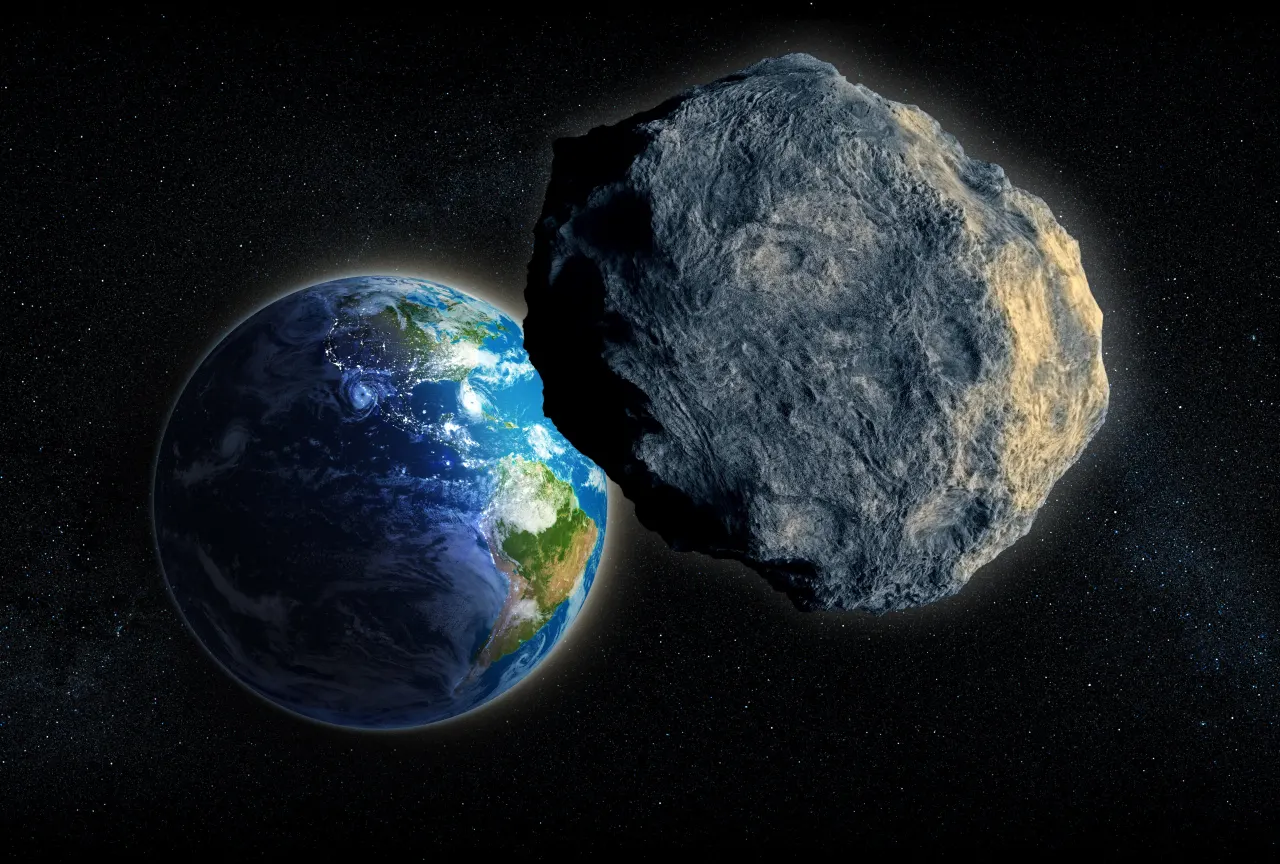
Japan has cancelled a planned 2031 Hayabusa2 rendezvous with the small object 1998 KY26, ending the mission’s chance to take close-up images of its surface. Harvard astrophysicist Avi Loeb argues those images could help determine whether it is a natural object or a missing Soviet spacecraft, while NASA’s administrator has said there is no evidence it is anything other than an asteroid.
The Japanese space agency said a malfunction in Hayabusa2’s last normally functioning main ion engine left the craft without enough thrust for the required orbital changes; it will instead fly past asteroid 2015 BM510 in 2028. Loeb questioned the timing of the cancellation but acknowledged it could be coincidental. He says the James Webb Space Telescope may still measure KY26’s heat and chemical spectrum; the object is about 36 feet wide, rotates roughly every five minutes and reflects around half the sunlight that reaches it, according to Loeb.
In short
- Japan cancelled Hayabusa2’s planned 2031 visit to 1998 KY26.
- An engine fault left the spacecraft short of the thrust needed.
- Webb observations may still help study the object from afar.
Steelman: both sides, in good faith
The strongest fair case each way — we don't pick a winner.
The case for
Close-up images could help establish whether 1998 KY26 has features consistent with a natural asteroid or an artificial object, and collecting them would have offered a more direct test than speculation from afar. Given the object’s unusual reported properties and the mission’s scientific potential, advocates may argue that officials should keep open the possibility of an artificial origin while making clear that it remains unproven.
The case against
The reported engine failure offers a practical explanation for cancelling the rendezvous, and the timing alone does not show that the decision was influenced by the object’s possible identity. Without evidence that KY26 is artificial, treating it as an asteroid is the cautious position; further observations, including telescope measurements, can still refine what is known without implying an extraordinary explanation.
Explained simply
Hayabusa2 is a Japanese spacecraft sent to study small bodies in the solar system. Its original target, the tiny object 1998 KY26, was discovered in 1998 and is classified as an asteroid.
Astrophysicist Avi Loeb has suggested KY26 might be a lost Soviet spacecraft, though NASA’s administrator says there is no evidence it is anything other than an asteroid. Close-up images could help researchers examine its surface, while telescope observations can provide clues about its heat and chemical makeup.
The question matters because studying small objects can help scientists understand what the solar system is made of and how it has changed. Identifying KY26 would also clarify whether its unusual properties have a natural explanation.
Paranormal Weird & Viral World