Health news and discussion on TalkFuse.
Scientists create anti-aging holy grail drug that extends lifespan by 25% in some animals – and they say it could work in humans too
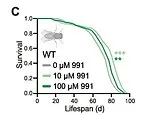
UK scientists have developed an experimental drug called 991 that extends the lifespan of yeast, worms and flies by up to 25 per cent. The drug works by activating a protein called AMPK, which acts as the body's "fuel gauge" and helps cells conserve and produce energy during stress, exercise or fasting. The breakthrough raises hopes that humans could eventually benefit from anti-ageing treatments, which would be transformative given that ageing is a major risk factor for diseases such as heart disease, diabetes, cancer and dementia.
The research involved directly targeting AMPK in three distantly related species, chosen specifically because they have short lifespans that allow for rapid scientific progress. Scientists are encouraged by the results and plan to test the drug in mice next, with a view to eventual human trials. The fact that similar AMPK-activating drugs have already demonstrated good safety profiles in trials for metabolic conditions suggests that such treatments could potentially be used more widely in medicine in the future.
In short
- Drug 991 extends lifespan by 25% in yeast, worms and flies
- Works by activating AMPK protein, the body's cellular energy "fuel gauge"
- Could eventually lead to human anti-ageing treatments for age-related diseases
Steelman: both sides, in good faith
The strongest fair case each way — we don't pick a winner.
The case for
This represents genuine scientific progress on a mechanism proven across multiple species. The targeting of AMPK through drug 991 builds on established understanding of cellular energy management, and the fact that similar AMPK-activating drugs have already demonstrated safety in human trials suggests a credible path forward. The potential to address major killers like heart disease, cancer and dementia through slowing ageing processes makes this research profoundly valuable to pursue systematically.
The case against
Whilst the results in simple organisms are intriguing, the translation from yeast and worms to human biology remains highly uncertain, and the history of anti-ageing research demonstrates that early promise frequently fails to materialise in complex organisms. Beyond the scientific challenges, there are reasonable questions about whether extending lifespan is even the optimal public health goal compared to improving healthspan, and whether resources devoted to this speculative work might yield greater benefits if directed toward proven interventions for age-related diseases.
Explained simply
Scientists have discovered that a drug can slow ageing in living organisms by making cells handle energy more efficiently. The drug works by activating a protein called AMPK, which helps cells manage their resources during stress or periods of limited food, much like a fuel gauge in a car.
Ageing is a major contributor to serious diseases including heart disease, diabetes, cancer and dementia, so treatments that slow ageing could have considerable health benefits. Researchers have already tested this drug in yeast, worms and flies with promising results, and are now planning further studies in mice before potentially moving to human trials.
Similar drugs that activate AMPK have already been shown to be safe in human trials for other medical conditions, which suggests that anti-ageing treatments might eventually become practical medicines. The research builds on scientific understanding that how our bodies use energy is fundamentally connected to how quickly we age.
Health Medicine Research Science World