Science news and discussion on TalkFuse.
Scientists discover quasar formed within a mere 630 million years of the Big Bang, setting a record
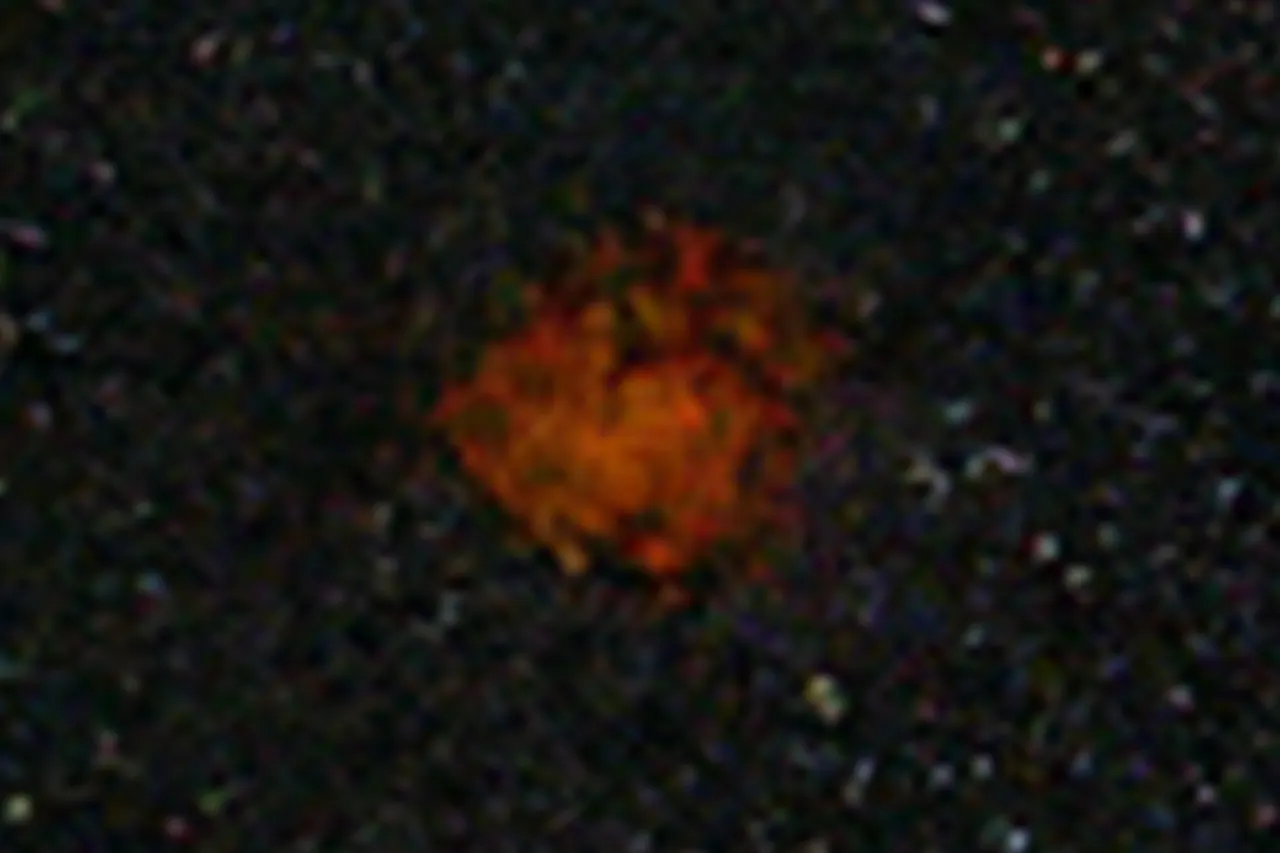
Scientists have identified the most distant quasar yet, dating to about 630 million years after the Big Bang. The discovery sets a new record for how far back astronomers have observed a quasar and offers evidence that a very large black hole had formed early in the universe’s history.
Named Dun Aonghasa, the quasar is seen as it was 13.1 billion years ago, when the universe was less than 5% of its current age. Its black hole has a mass around 360 million times that of the Sun, despite being described as a relatively slow eater of surrounding matter. The team found it among millions of observations from the European Space Agency’s Euclid telescope; Hubble, Webb and other observatories corroborated the findings, published in *Astronomy & Astrophysics*.
In short
- A record-breaking quasar dates to 630 million years after the Big Bang.
- Its black hole is about 360 million times the Sun’s mass.
- Researchers say the record could soon be surpassed.