Science news and discussion on TalkFuse.
Dun Aonghasa becomes the most distant quasar yet identified
Developed over time first seen 21 hours ago
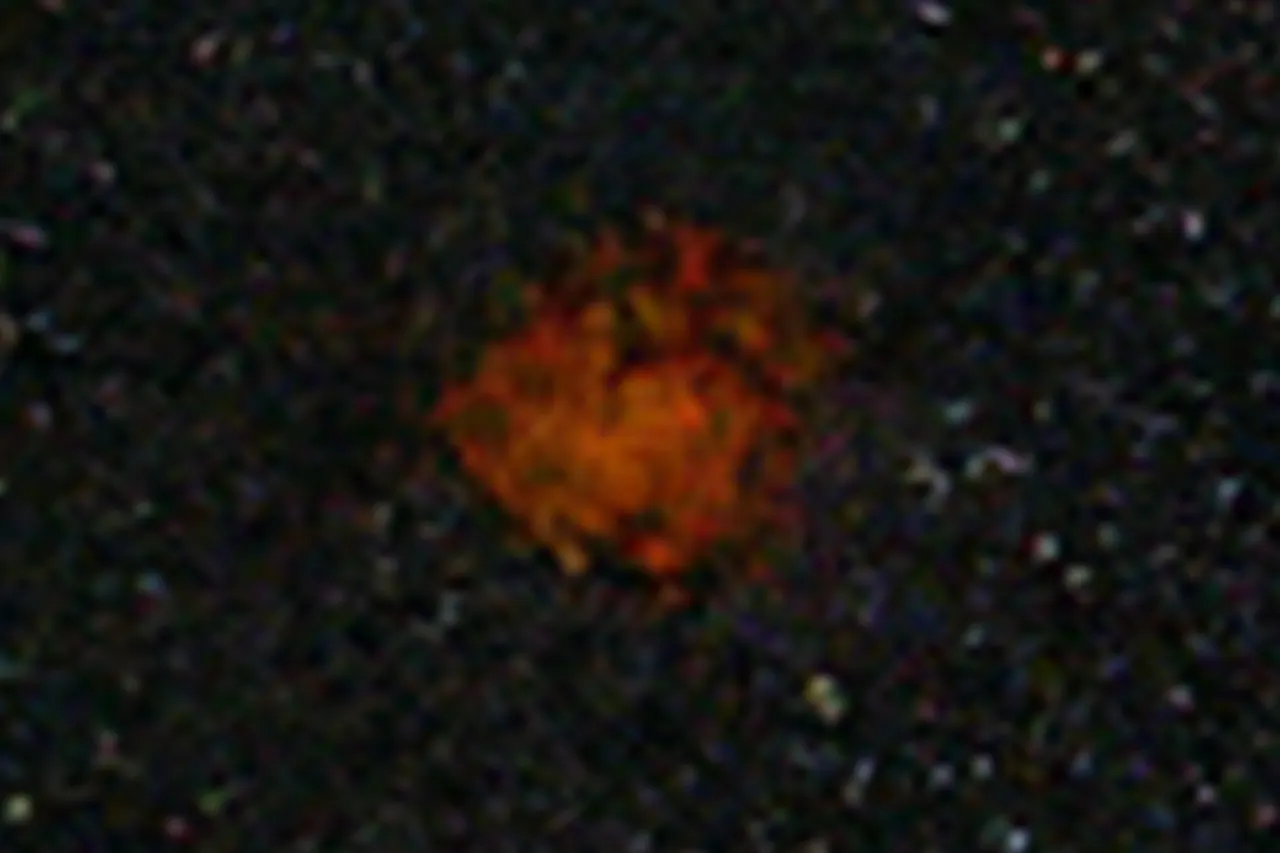
Astronomers have identified Dun Aonghasa, the most distant quasar yet found, dating to about 630 million years after the Big Bang. Its discovery pushes the known record back by nearly 40 million years and gives scientists an earlier point from which to study how black holes and galaxies formed.
The quasar is seen as it was 13.1 billion years ago, when the universe was less than 5 per cent of its current age. Observations from the Euclid, Hubble and Webb space telescopes and other observatories confirmed the finding; Webb data indicate its black hole has a mass about 360 million times that of the Sun. The results were published in *Astronomy & Astrophysics*, and the team says the record could soon be surpassed.
- Sources
- 2
- Outlets
- 2
- Left · Centre · Right
- 0 · 1 · 1
In short
- Dun Aonghasa dates to 630 million years after the Big Bang.
- Its black hole is about 360 million times the Sun’s mass.
- The discovery offers an early clue to how black holes grew.
How this story developed
- 14 hours ago Further details showed that Euclid data led researchers to the quasar, whose black hole weighs about 360 million Suns despite feeding relatively slowly; Hubble, Webb and other observatories confirmed the finding.
- 14 hours ago The quasar Dun Aonghasa was reported as the most distant yet identified, seen 630 million years after the Big Bang and offering a new marker for studying early black hole growth.
Where outlets differ
Centre outlets 1
Only here: astronomers, spot, record, setting, early
Right-leaning outlets 1
Only here: aonghasa, becomes, distant, identified
Every side used: quasar
Headline columns compared word for word; nothing in them is AI-written.
Explained simply
A quasar is an extremely bright centre of a galaxy, powered by matter falling towards a supermassive black hole. The light from very distant quasars takes billions of years to reach Earth, so astronomers see them as they were in the early universe.
The Big Bang marks the beginning of the universe, which is about 13.8 billion years old. Finding a very massive black hole so early in its history helps astronomers study how black holes and galaxies formed and grew.
Coverage · 2 sources
Bias meters
From 2 rated sources.
Read the full article at the source →
Originally published by New York Post as “Scientists discover quasar formed within a mere 630 million years of the Big Bang, setting a record”.