World news and discussion on TalkFuse.
Scientists unlock secrets of ancient Egyptian materials with proteomics
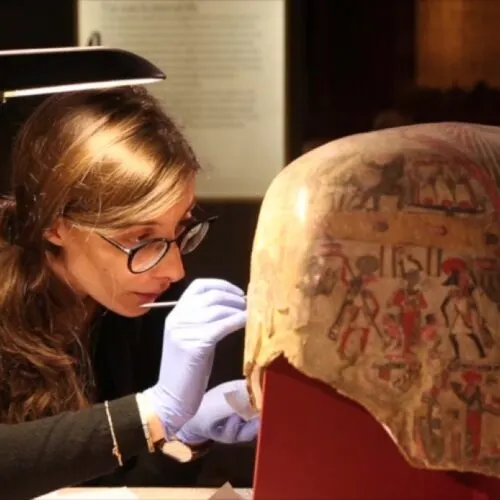
Researchers have used mass spectrometry-based proteomics to analyse glues, adhesives, paints and plaster from ancient Egyptian artefacts without damaging them, revealing new details about the materials used by craftsmen thousands of years ago. The technique, published in a new paper in Science Advances, matters because it offers a way to study precious, irreplaceable objects in far greater chemical detail than was previously possible, since traditional analysis methods typically require destructive sampling.
Alongside expected materials such as animal collagens and egg proteins, the team found plant proteins from sesame and moringa (drumstick tree) seeds, which held religious and symbolic significance in ancient Egypt. Samples were taken from coffins, tomb wall paintings, a mummy bust's painted plaster, and painted limestone architecture held in collections across Sweden, the UK and Denmark, dating from 1425 BCE to 400 CE. The analysis confirmed frequent use of cow glue and collagens from sheep, goats, horses, donkeys and antelope, likely produced by boiling animal skin and connective tissue, and found these materials in paint and ground layers as well as adhesives, suggesting Egyptians selected materials deliberately based on their properties.
In short
- Proteomics reveals plant and animal proteins in ancient Egyptian art materials
- Sesame and moringa seed proteins found, holding religious significance
- Non-destructive method allows detailed analysis without damaging artefacts
Explained simply
Proteomics is the study of proteins, which can reveal what materials an object was made with. Ancient Egyptian craftsmen used glues, paints and plaster on objects such as coffins, tomb walls and painted stonework, but these precious artefacts are difficult to study because taking a sample can damage them.
Animal-based glues and proteins were already known to have been used in Egyptian craftwork. Identifying proteins from sesame and moringa seeds adds evidence about the range of materials craftsmen used; both plants also had religious and symbolic significance in ancient Egypt.
Knowing which materials were used, and where, can help researchers understand how craftsmen made and decorated objects. It may also help museums and other collections study fragile artefacts in greater chemical detail while preserving them.
Americas Research Science World