Scientists optimistic about technology less likely to take climate action
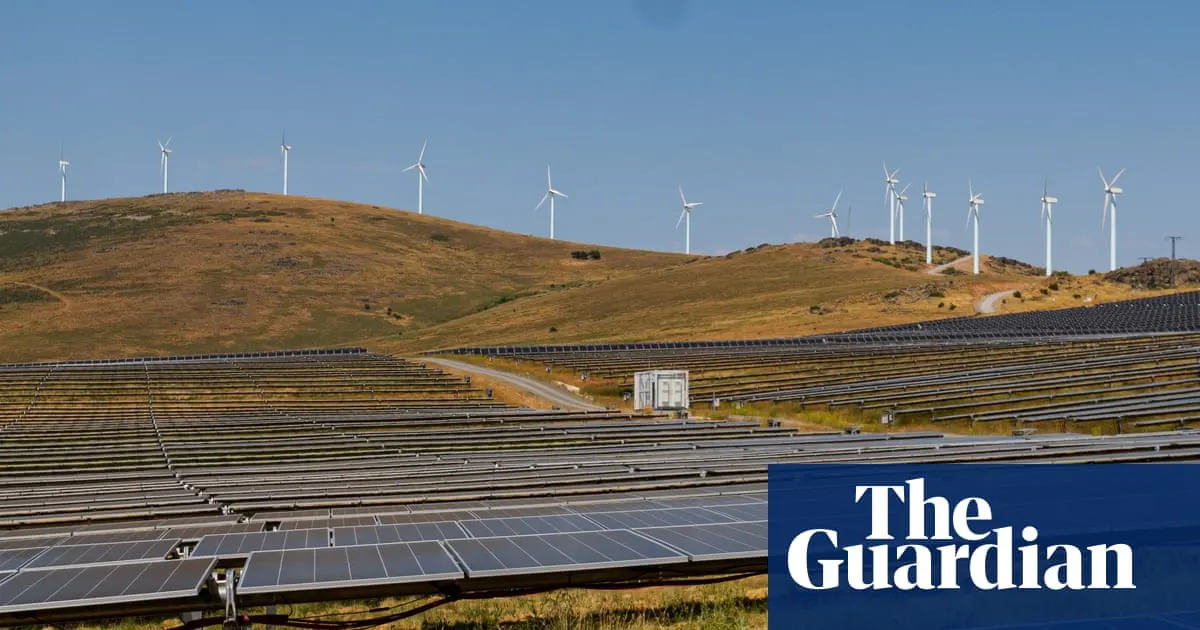
A study from the London School of Economics found that scientists who believe technology will largely solve climate change are less likely to take civic action or make high-impact lifestyle changes. Its lead author says this “techno-optimism” may encourage reliance on unproven fixes while diverting attention from wider social and economic changes.
The study surveyed more than 9,000 scientists in 115 countries: 27% agreed that technology would largely solve climate change, while 44% disagreed and 29% were neutral. Those who agreed were 23% less likely to sign petitions or join protests and 18% less likely to make changes such as flying less or adopting a mostly plant-based diet. Techno-optimism was more common among right-leaning scientists and those in applied and natural sciences.
- Scientists optimistic about technology reported less climate action.
- The study surveyed more than 9,000 scientists in 115 countries.
- Researchers warn technology may distract from wider societal change.
New here? Start with this
A new study from the London School of Economics has examined the relationship between scientists' beliefs about technology and their willingness to take climate action. The research surveyed more than 9,000 scientists across 115 countries to understand their views on whether technology alone can solve the climate crisis.
The study found that scientists who believe technology will largely solve climate change are significantly less likely to take personal or collective action on the issue. Those who hold this view were about 23% less likely to sign climate petitions or join protests, and 18% less likely to make lifestyle changes such as reducing air travel or eating less meat. This technological optimism was more common among scientists with right-leaning political views and those in applied and natural sciences.
The findings matter because they suggest a psychological relationship between optimism about technological solutions and reduced personal engagement with climate issues. Scientists' views can influence how others think about climate action, so beliefs about whether technology alone can solve the problem may affect broader public understanding of and support for climate policies.
Both sides, in good faith
The strongest fair case each way — we don't pick a winner.
The case for
Techno-optimism among scientists may create complacency about the urgent social, policy, and behavioural changes climate science indicates are already necessary. Influential scientists who believe technology will largely solve the problem are measurably less likely to advocate for or engage in immediate action, risking delay in implementing proven solutions whilst betting on innovations that may not materialise at sufficient scale or speed.
The case against
Scientists may reasonably assess that technology will be central to solving climate change at the required scale, and different actors can contribute differently to solutions. Scientists' primary responsibility lies in developing innovations through research rather than personal lifestyle sacrifice, and emphasising individual behaviour change may itself distract from the technological breakthroughs and policy frameworks genuinely needed.
Climate Research Science Technology
Read the full article at the source →
Originally published by The Guardian as “Scientists who put faith in technology less likely to take climate action”.