Culture news and discussion on TalkFuse.
Scotland pilots urban deer culls, with venison destined for food banks
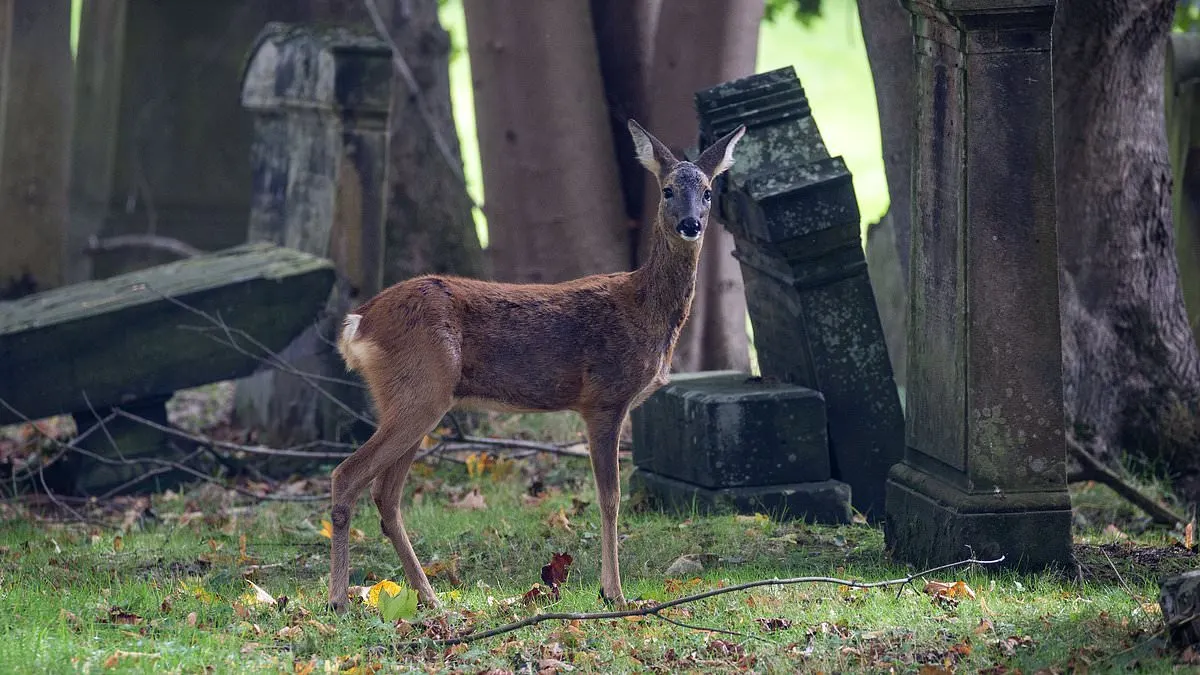
Scotland is launching a pilot scheme to cull urban deer in towns and cities, with the resulting venison being distributed to local charities and food banks. The Central Belt Roe Deer Pilot Scheme, being tested in East Kilbride, involves shooting roe deer early in the morning before residents wake up, with a mobile larder processing the meat for community distribution. The initiative aims to balance deer population control with public sensitivities and food sustainability.
Approximately 200,000 deer are culled annually across Scotland, as they have no natural predators and pose threats to biodiversity and public safety—roe deer are responsible for the most deer-related car crashes in the region. If the East Kilbride pilot succeeds, over 2,000 deer managers could be deployed across Central Belt towns and parks. The scheme aligns with previous successful initiatives, such as venison being introduced to school menus in Argyll and Bute, and has support from government officials and celebrity chef Tom Kitchin, who champions venison as a sustainable, nutrient-dense food source.
In short
- Scottish pilot scheme culls urban deer; venison goes to food banks
- 200,000 deer culled annually; control essential for biodiversity
- Sustainable venison reduces food miles; already trialled in schools
Steelman: both sides, in good faith
The strongest fair case each way — we don't pick a winner.
The case for
The scheme addresses a genuine ecological crisis—without natural predators, 200,000 deer are already culled annually whilst causing significant road accidents and biodiversity damage. Rather than wasteful culling, repurposing venison for food banks represents efficient resource stewardship that serves dual community needs. Professional, carefully timed implementation demonstrates thoughtful management of an unavoidable necessity.
The case against
Urban culling raises legitimate ethical concerns about killing wildlife in residential spaces where people value deer as part of the natural environment. Even with careful timing, shooting in populated areas troubles residents, and crucially, framing food insecurity as a wildlife management problem risks obscuring root causes rather than solving them; alternative population control methods deserve serious exploration before normalising lethal urban practices.
Explained simply
Scotland is testing a new approach to managing wild deer in urban areas. The country culls around 200,000 deer each year because they have no natural predators and cause problems—they damage woodlands, endanger farm crops, and are involved in car crashes, with roe deer responsible for the most collisions. The pilot scheme aims to distribute venison from culled deer to food charities and food banks.
The Central Belt Roe Deer Pilot Scheme is being tested in East Kilbride, where trained shooters cull deer early in the morning before residents wake up. A mobile processing unit then prepares the meat for local distribution, combining deer population control with food sustainability. The initiative has backing from government officials and chef Tom Kitchin, who champions venison as a nutritious and sustainable food source.
If the pilot succeeds, it could expand to other Central Belt towns and parks, potentially involving more than 2,000 deer managers. The scheme reflects broader Scottish efforts to reduce deer populations while supporting food access—venison has already been introduced to school meals in some areas. It addresses two aims: controlling wildlife populations and supporting those needing food assistance.
Read the full article at the source →
Originally published by Daily Mail as “Scots urban deer to be culled – and the venison will go to foodbanks”.