Scottish film could steal The Jazz Singer’s crown as ‘world’s first talkie’
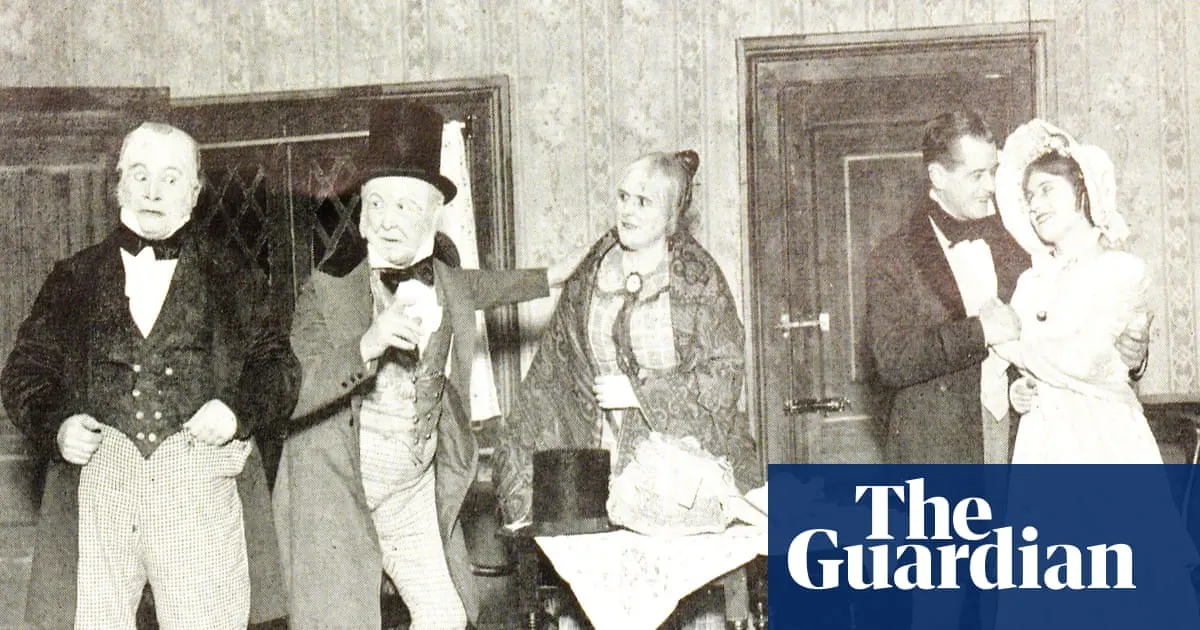
A Scottish film made in Glasgow and written in Scots has been discovered to predate "The Jazz Singer" by a year, potentially rewriting film history. Till the Bells Ring premiered in Edinburgh in October 1926 with synchronised dialogue and spoken word, making it possibly the world's first feature-length "talkie"—a discovery that challenges the longstanding claim that The Jazz Singer, starring Al Jolson and released in 1927, was cinema's first sound film. This finding suggests that British and Scottish cinema achieved a significant milestone that was subsequently overlooked by history.
The 46-minute film was written by Scottish playwright Graham Moffat and featured dialogue in "lowland braid Scots" dialect. It premiered at Edinburgh's Poole's Synod Hall for a week-long run and was heralded by the Edinburgh Evening News as a major achievement in synchronised sound. Historian Marc David Jacobs uncovered the film whilst researching early British sound films; he notes that two reels (more than half the film's length) survive in the BFI National Archives but have never been screened in over 50 years. Moffat never made another film and died in 1951, and the film was forgotten, likely because it was categorised under "British cinema" rather than celebrated as distinctly Scottish.
- 1926 Scottish film Till the Bells Ring beat The Jazz Singer to be first talkie
- Scottish playwright Graham Moffat wrote the 46-minute domestic comedy in Scots dialect
- Film reels survive in archives but lay undiscovered for a century
New here? Start with this
"Till the Bells Ring" is a 46-minute Scottish film from 1926 that featured synchronised dialogue and spoken word. If confirmed as the world's first feature-length sound film, it would overturn a major part of cinema history currently credited to "The Jazz Singer," an American film released the following year. The discovery matters because it challenges who gets credit for pioneering this crucial film technology.
The film was written by Scottish playwright Graham Moffat and premiered in Edinburgh with dialogue in lowland Scots dialect. Historian Marc David Jacobs uncovered evidence of the film whilst researching early British sound cinema, revealing that more than half of it survives in the British Film Institute's archives but has not been screened in over fifty years. At the time, the Edinburgh Evening News praised it as a major achievement in synchronised sound.
The film was largely forgotten after its premiere, probably because it was categorised simply as "British cinema" rather than celebrated as distinctly Scottish work. Moffat, who never made another film, died in 1951, and with him went the knowledge of this pioneering achievement. Its rediscovery suggests that the story of cinema's technological development has overlooked significant British and Scottish contributions.
Both sides, in good faith
The strongest fair case each way — we don't pick a winner.
The case for
The discovery of Till the Bells Ring represents an objective historical fact—it featured synchronised dialogue in 1926, objectively earlier than The Jazz Singer in 1927. Film history should be based on chronological accuracy rather than retroactively rewritten around whichever film became most commercially successful or widely known. The film's obscurity resulted from archival circumstance and regional categorisation, not from any lack of genuine talkie elements, and recognising this discovery corrects the historical record to reflect what actually happened first.
The case against
Whilst Till the Bells Ring's chronological priority is factually true, The Jazz Singer more legitimately deserves recognition as cinema's first transformative talkie because it was the first sound film to achieve mass distribution and fundamentally reshape the industry globally. Historical significance cannot rest solely on chronological precedence but must account for cultural impact and what genuinely advanced the medium; Till the Bells Ring had a week-long run in one venue, whilst The Jazz Singer changed cinema worldwide. Both films can be historically important without displacing the established narrative that accurately reflects which film truly began cinema's sound era in practice.