Seabirds and sewage among UNESCO status challenges
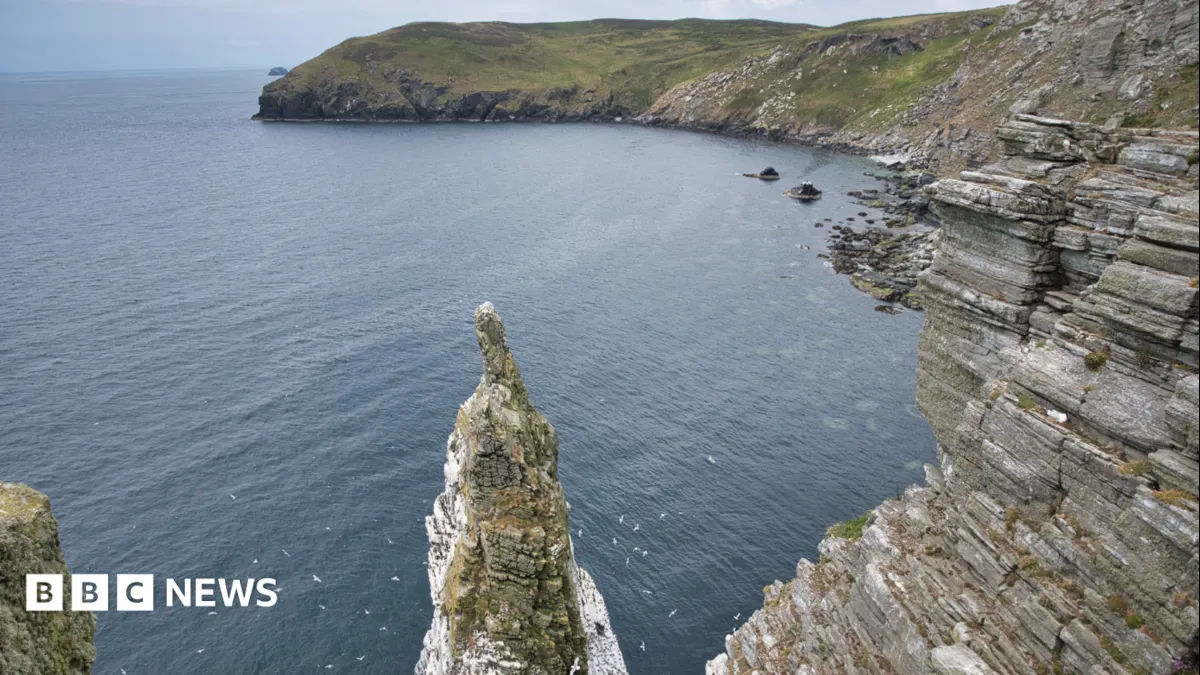
The Isle of Man’s first decade as a UNESCO Biosphere has brought conservation gains, including the recovery of Manx shearwaters and the return of juniper. A new report also warns that many species and habitats remain in long-term decline, with sewage discharges and falling numbers of young salmon among the unresolved problems ahead of a review of the island’s status next summer.
The island became the first whole nation to receive Biosphere status in 2016, covering its land and surrounding seas. Since then, nine marine reserves have been created, together covering more than half the sea within three nautical miles of the coast, and 420 hectares of damaged peatland have been restored. However, 12 of the island’s 16 breeding seabird species are of greatest conservation concern, and a 2024 assessment found 48 of 166 regularly seen bird species on the red list.
In short
- A decade of Biosphere status has brought conservation successes.
- Many seabirds remain under threat, and young salmon are declining.
- UNESCO will review the Isle of Man’s status next summer.
Steelman: both sides, in good faith
The strongest fair case each way — we don't pick a winner.
The case for
UNESCO Biosphere status can support conservation by giving the island a shared framework and international recognition, while marine reserves and peatland restoration show practical progress. Keeping that status could sustain momentum and help address continuing declines in seabirds, salmon and habitats, including pressures linked to sewage.
The case against
The status should be judged by whether it delivers lasting improvements, not by recognition or isolated gains. Persistent declines among seabirds and other species, alongside unresolved sewage discharges and falling numbers of young salmon, could justify questioning whether the current approach is sufficient or whether the island should redirect its efforts.
Explained simply
A UNESCO Biosphere is an area recognised for balancing nature conservation with the way people live and work. The Isle of Man received this status in 2016, covering the whole island and its surrounding seas.
The Manx government, conservation groups and local communities all have a part in protecting the island’s wildlife and habitats. Marine reserves and peatland restoration have supported some recovery, but many seabirds and other species remain under pressure.
The status matters because it draws attention to how the island manages its natural environment. The continuing declines in wildlife, alongside concerns such as sewage discharges and fewer young salmon, are part of the wider conservation challenge.