Technology news and discussion on TalkFuse.
Seagate revives hybrid storage with FireCuda Forge drive
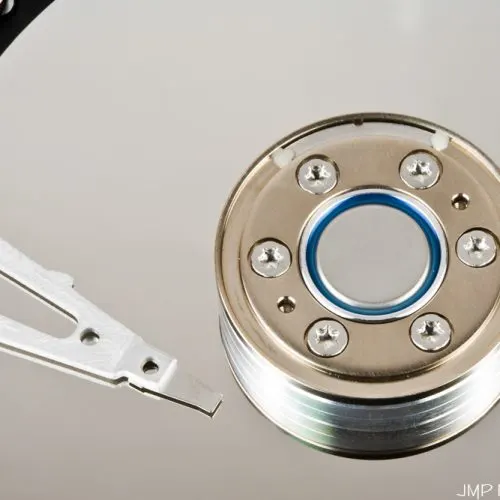
Seagate has launched the FireCuda Forge, a hybrid storage drive pairing a high-capacity hard disk with a user-supplied SSD. The product revisits an approach that largely faded as SSDs became cheaper, at a time when storage prices have risen sharply; Seagate says its Alkemi platform manages the two drives as one pool.
The Forge is sold in 8TB and 20TB versions for $699 and $899 respectively, without the required SSD. It supports an M.2 2280 NVMe drive of up to 1TB, with minimum read and write speeds of 2,400MB/s and 2,000MB/s; Seagate claims combined speeds of up to 2,500MB/s read and 2,000MB/s write. The company says Alkemi learns which content needs faster access, but has not explained whether it uses caching, automated data tiering or both, leaving questions about how it works and what happens if either drive fails.
In short
- Seagate has revived the hybrid drive with its FireCuda Forge.
- Models cost $699 for 8TB or $899 for 20TB, excluding the SSD.
- Alkemi’s data management and drive failure handling remain unclear.
Steelman: both sides, in good faith
The strongest fair case each way — we don't pick a winner.
The case for
The Forge could offer a practical middle ground as storage prices rise: users get hard-drive capacity alongside faster access for frequently used content, without paying for an all-SSD system. Its pooled design may also spare users from managing two drives separately, and the 8TB and 20TB options could suit people whose storage needs exceed what a modest SSD can economically provide.
The case against
The product’s value depends on how well Alkemi identifies and moves content, yet Seagate has not explained whether it relies on caching, automated tiering or both. Buyers must also supply and pay for a compatible SSD, while the high asking prices and unanswered questions about drive failure make it difficult to judge the practical benefits and risks against buying separate storage.
Read the full article at the source →
Originally published by Ars Technica as “Seagate’s new hybrid drive raises some old questions”.