Second Amendment fight moves beyond guns with Supreme Court poised for big ruling
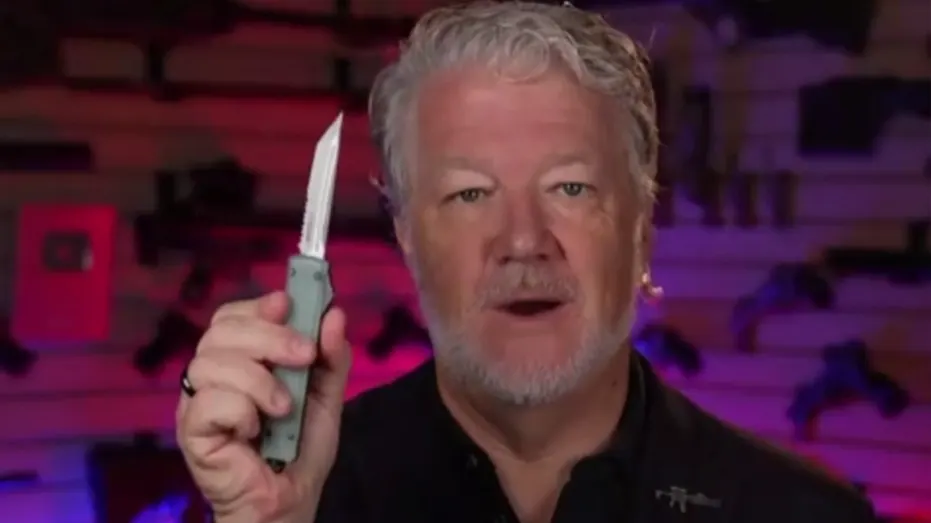
Two federal court rulings have extended Second Amendment protections to switchblade knives and body armour, adding momentum to gun-rights advocates’ arguments ahead of a major Supreme Court case on AR-15-style rifles. The rulings matter because they apply the constitutional definition of “arms” beyond firearms and may influence how courts assess other restrictions on defensive equipment.
The Fifth Circuit struck down federal restrictions on interstate switchblade commerce, while a federal judge in New York invalidated the state’s limits on personal body armour. Both courts found the items covered by the Second Amendment and said the governments had not shown a sufficiently similar historical tradition of regulation, as required by the Supreme Court’s test in *Bruen*. The Supreme Court’s upcoming review in *Viramontes v. Cook County* will consider whether AR-15-style rifles are protected arms; the article says that decision could affect later challenges involving items such as ammunition magazines and automatic knives.
In short
- Courts extended Second Amendment protections to switchblades and body armour.
- Both rulings found the governments lacked sufficient historical support for the restrictions.
- The Supreme Court’s coming AR-15 case could shape further challenges.
Steelman: both sides, in good faith
The strongest fair case each way — we don't pick a winner.
The case for
A broad reading of the Second Amendment treats “arms” as encompassing more than firearms, including equipment people may use for lawful self-defence. On this view, restrictions on switchblades or body armour should stand only if they fit the historical test set by the Supreme Court, and courts should scrutinise limits that may burden constitutional rights.
The case against
The government may reasonably argue that constitutional protection for arms does not make every weapon or piece of defensive equipment immune from regulation. States and Congress have responsibilities to address public safety, and they may contend that modern risks warrant limits even where historical analogues are imperfect, while asking courts to interpret the Second Amendment in a way that leaves room for effective regulation.
Explained simply
The Second Amendment to the US Constitution protects the right to keep and bear arms. In 2022, the Supreme Court ruled that judges assessing restrictions on that right should look for historical examples of similar regulation; the test is often called the Bruen test, after the case that established it.
Courts are now considering whether the protection covers equipment beyond guns, including knives and body armour. The disputes involve federal rules on selling switchblades across state lines and New York limits on personal body armour.
The Supreme Court case over AR-15-style rifles could shape how lower courts assess other restrictions on weapons and related equipment. Its reasoning may therefore matter in future disputes over items such as ammunition magazines and automatic knives.