Politics news and discussion on TalkFuse.
Second home exodus leaves councils facing £48m council tax shortfall
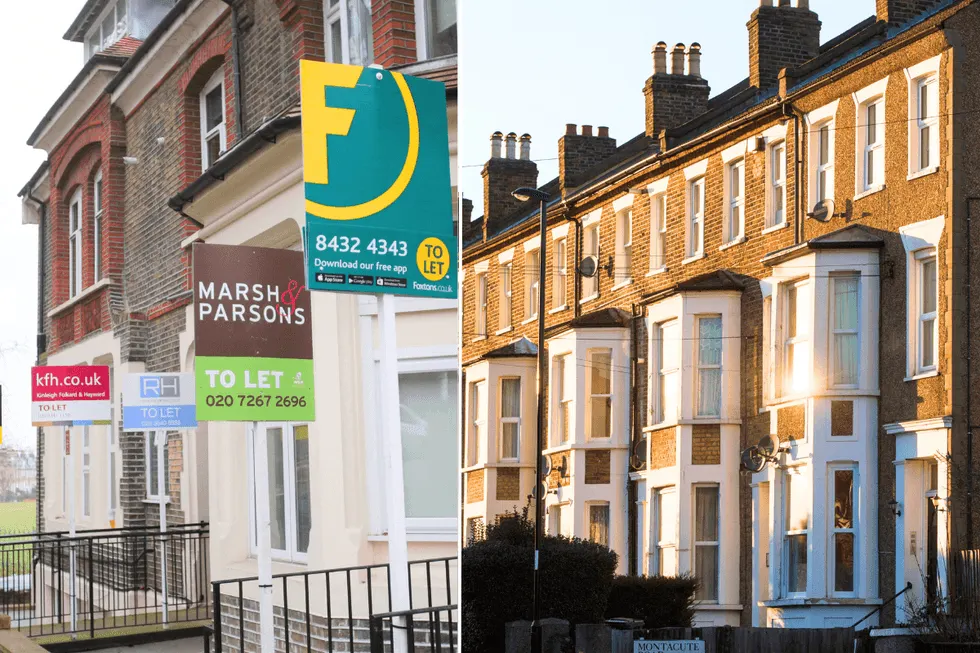
The number of second homes in the UK fell by 7,478 in the year to October, leaving councils facing an estimated £48 million reduction in potential council tax premium income. The decline follows the introduction of a charge of up to 100 per cent extra council tax on second homes, which has made owning them more expensive.
The figures put the UK total at 260,446, down from 279,870 in 2024 and its lowest level since 2022. Of 296 English councils, 246 have introduced the premium, and 176,365 second homes were billed for it. The estimated premium income for 2026-27 falls from about £453 million to £405 million if the lower property count persists; some homes may have been sold, while others may have moved into commercial ownership or holiday-let arrangements.
In short
- Second homes fell by 7,478 in a year.
- Councils may lose £48 million in premium income.
- Some properties may have shifted into commercial structures.
Steelman: both sides, in good faith
The strongest fair case each way — we don't pick a winner.
The case for
Supporters of the premium argue that second homes can reduce the housing available to local residents, particularly in areas under pressure, and that higher charges ask owners to contribute more to the communities whose housing markets they affect. If the tax prompts some properties to return to residential use or be sold to local buyers, that could help ease pressure even if councils collect less premium income.
The case against
Critics argue that the fall in second-home numbers also shrinks the extra council tax revenue councils expected to fund local services, leaving them with a shortfall. Higher charges may also encourage owners to move properties into commercial or holiday-let arrangements rather than make homes available to residents, so the policy could reduce revenue without delivering its intended housing benefit.
Explained simply
Second homes are properties their owners use occasionally rather than as their main residence. Councils collect council tax on them and can charge a premium of up to 100 per cent extra, a measure intended to make these properties more costly to keep.
Local councils rely on council tax to help pay for services, and many have chosen to apply the premium. Changes in the number of second homes can therefore affect the extra income councils expect, although a lower count may reflect homes being sold or reclassified rather than no longer used for holidays.