Secret FBI probe cast Trump as possible Russian asset after Comey firing, memos show
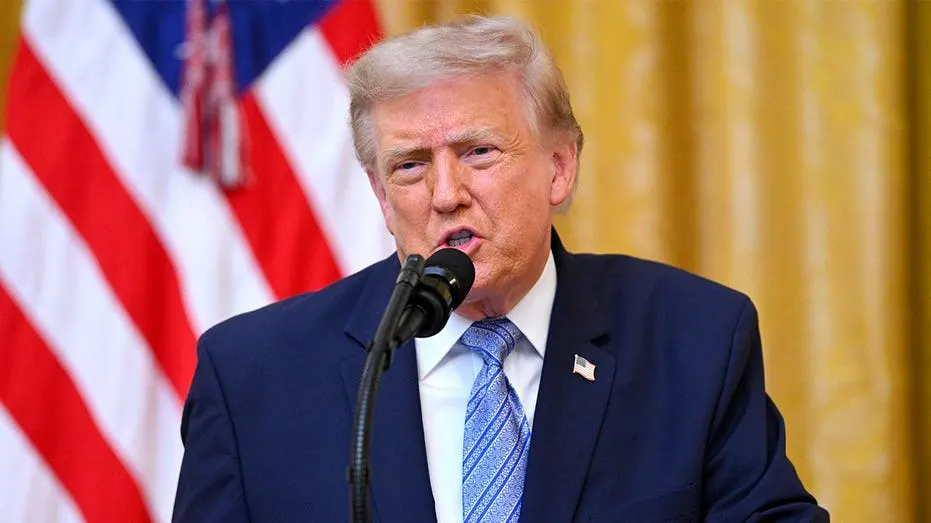
The White House has released declassified FBI memos revealing that the bureau secretly opened a counterintelligence investigation in 2017 into whether President Donald Trump's dismissal of FBI Director James Comey was linked to Russia. The probe, reportedly codenamed "Oxferd Comma" (an apparent misspelling of "Oxford"), examined whether Trump's own actions raised national security concerns about him potentially being influenced by, or acting on behalf of, Russian interests. Its disclosure reopens scrutiny of the Trump-Russia affair years after the original Mueller investigation concluded.
The investigation began shortly after Trump fired Comey in May 2017, a move that at the time triggered widespread speculation about a possible connection to the FBI's broader Russia inquiry. The White House's release of the memos comes as President Trump has continued to publicly criticise Comey, recently branding him a "dirty cop" and a "crooked man" following Comey's indictment. Further specifics on the scope, findings and conclusion of the probe were not detailed in the available material.
In short
- FBI secretly probed if Trump was a Russian asset after Comey's firing
- Investigation, codenamed "Oxferd Comma," began in 2017
- White House released the declassified memos amid Trump's attacks on Comey
Steelman: both sides, in good faith
The strongest fair case each way — we don't pick a winner.
The case for
The FBI's counterintelligence investigation was a legitimate exercise of its national security mandate given genuinely concerning circumstances. Trump fired Comey whilst under investigation for campaign-Russia ties, and his own officials acknowledged the Russia probe influenced the decision. The FBI's proper remit includes investigating whether foreign actors influence government leaders, and the pattern of events—dismissing the investigating official whilst subsequently discussing sensitive matters with Russians—presented sufficient grounds for following the lead. This represented standard counterintelligence work responding to a credible pattern.
The case against
The investigation crossed a constitutional and institutional line by targeting the president for exercising his lawful authority to dismiss an FBI director. Trump's constitutional power to fire executive branch officials should not trigger investigation into whether he is a foreign asset, particularly when non-sinister explanations existed, such as Rosenstein's criticisms of Comey's conduct or his handling of the Clinton email matter. The secret investigation suggests retaliatory motivation rather than genuine security concerns, and establishing the precedent that a president can be investigated for firing officials heading inconvenient inquiries dangerously politicises the intelligence community and undermines separation of powers.
Explained simply
The investigation into Russian interference in the 2016 US election examined whether Russia tried to influence the vote and whether anyone in Donald Trump’s campaign had links to those efforts. The FBI, the federal agency that investigates crimes and threats to national security, was also led at the time by James Comey.
Trump dismissed Comey in May 2017, while the FBI was investigating Russian interference and related contacts. The firing drew attention because it raised questions about whether Trump was trying to affect that investigation.
The Mueller investigation, led by former FBI director Robert Mueller, later examined Russian interference and possible links to the Trump campaign. The newly disclosed FBI material concerns a separate counterintelligence inquiry into whether Trump’s actions suggested he might be influenced by Russian interests; the available account does not give its full findings or conclusion.