Culture news and discussion on TalkFuse.
Seedless Blackberries and Cherries That Grow on Bushes Vie to Be the Future of Food
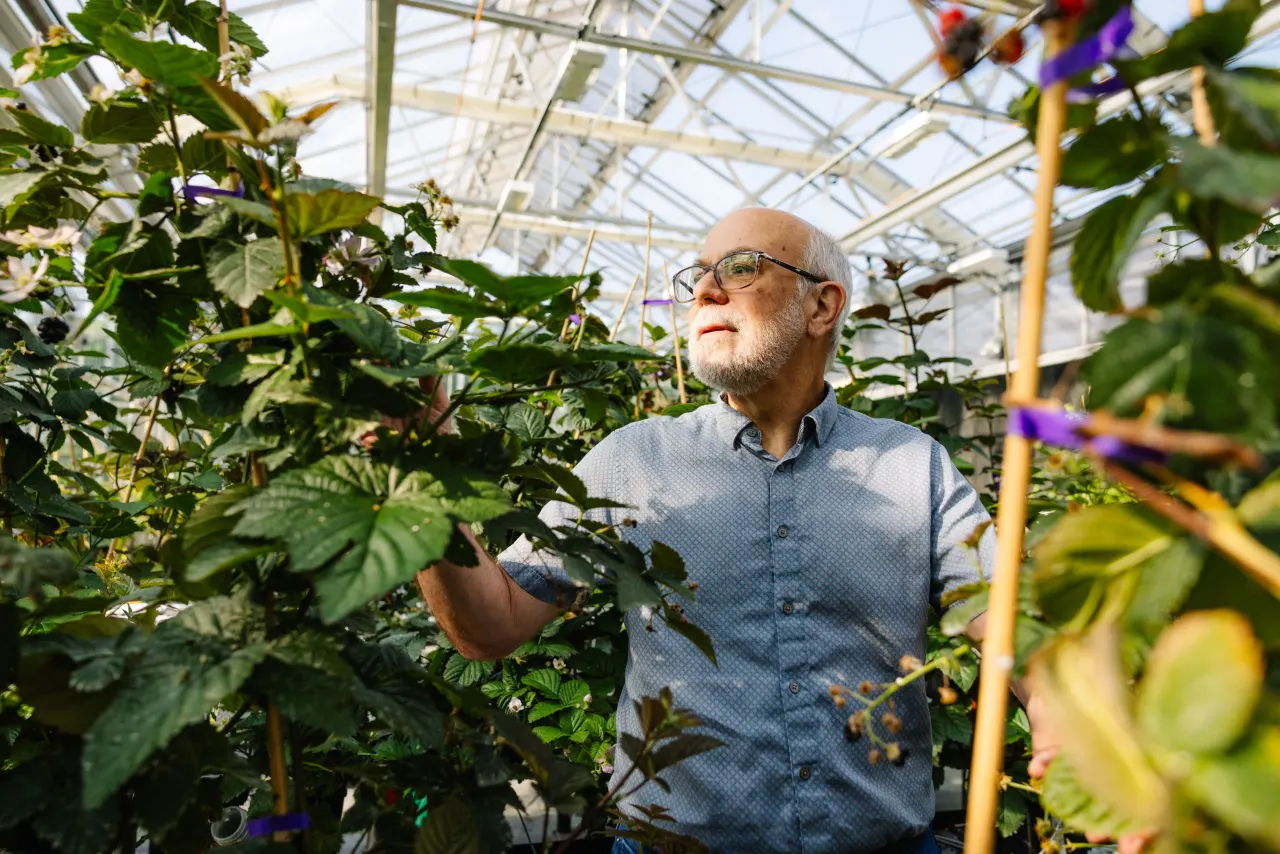
North Carolina startup Pairwise is using Crispr gene-editing technology to develop seedless, thornless, higher-yielding blackberries and other improved fruits, aiming to compress decades of traditional plant breeding into just a few years. The company hopes this marks the start of a new era of "designer crops" engineered to benefit consumers, farmers and the environment alike, at a time when the world urgently needs to grow far more food on far less land to avoid worsening deforestation and environmental damage.
Pairwise's flagship blackberry, which will not reach US shops before 2030, is one of several products in development, alongside pitless peaches, disease-resistant row crops, and fruit and nut trees that bear fruit within a year or two rather than three to eight. So far the company has secured more than 50 regulatory approvals across five edited crops in nine countries, though only one product—a high-yielding blackberry—is currently for sale, in limited quantities in Colombia; an earlier less-bitter mustard green launched in the US in 2023 was discontinued in 2024. Unlike genetically modified organisms, Crispr-edited crops have so far avoided major regulatory and public backlash, but experts warn that growing distrust of "edible technology," exemplified by movements such as Make America Healthy Again, could yet derail the technology's promise.
In short
- Pairwise uses Crispr to engineer seedless, thornless, high-yield blackberries.
- Only one product is currently for sale, in Colombia.
- Experts fear GMO-style public backlash could hinder Crispr food adoption.
Steelman: both sides, in good faith
The strongest fair case each way — we don't pick a winner.
The case for
CRISPR-edited crops offer a precise, rapid solution to pressing food security and environmental crises at a moment when global food production must increase substantially whilst land use decreases. Proponents argue the technology represents not a fundamental departure from nature but rather an accelerated version of selective breeding that has worked for millennia, with clear benefits for farmers through higher yields and reduced chemical inputs, and for consumers through improved products. They contend that regulatory approvals reflect evidence-based safety assessment rather than complacency, and that rejecting the technology forecloses solutions we urgently need.
The case against
The precautionary principle holds that introducing novel organisms into food systems warrants genuine caution given uncertainties about long-term ecological effects and the biotech industry's historical tendency to oversell safety claims. Sceptics argue that proven alternatives—traditional breeding programmes and regenerative agricultural practices—are available and less prone to concentration of control by large corporations, which poses risks for seed sovereignty and small-scale farming. They contend that public distrust of "edible technology" reflects not ignorance but legitimate concern born from experience, and that patient, trusted approaches to food security merit consideration alongside technological innovation.
Explained simply
Crispr is a gene-editing tool that lets scientists make targeted changes to a plant’s DNA. Pairwise, a North Carolina company, is using it to develop fruit with traits such as fewer seeds and thorns, and trees that produce fruit sooner. Traditional breeding can take many years to achieve similar changes.
The effort is part of a wider push to grow more food while using less land and limiting pressure on forests and other habitats. Pairwise is developing several crops, but its products have so far reached only limited markets. The technology’s future also depends on how regulators and consumers respond to food made with gene editing.
Art Business Celebrity Companies Culture Entertainment Food