Sega’s ’90s-era Fire Emblem Competitor Was Years Ahead of Its Time
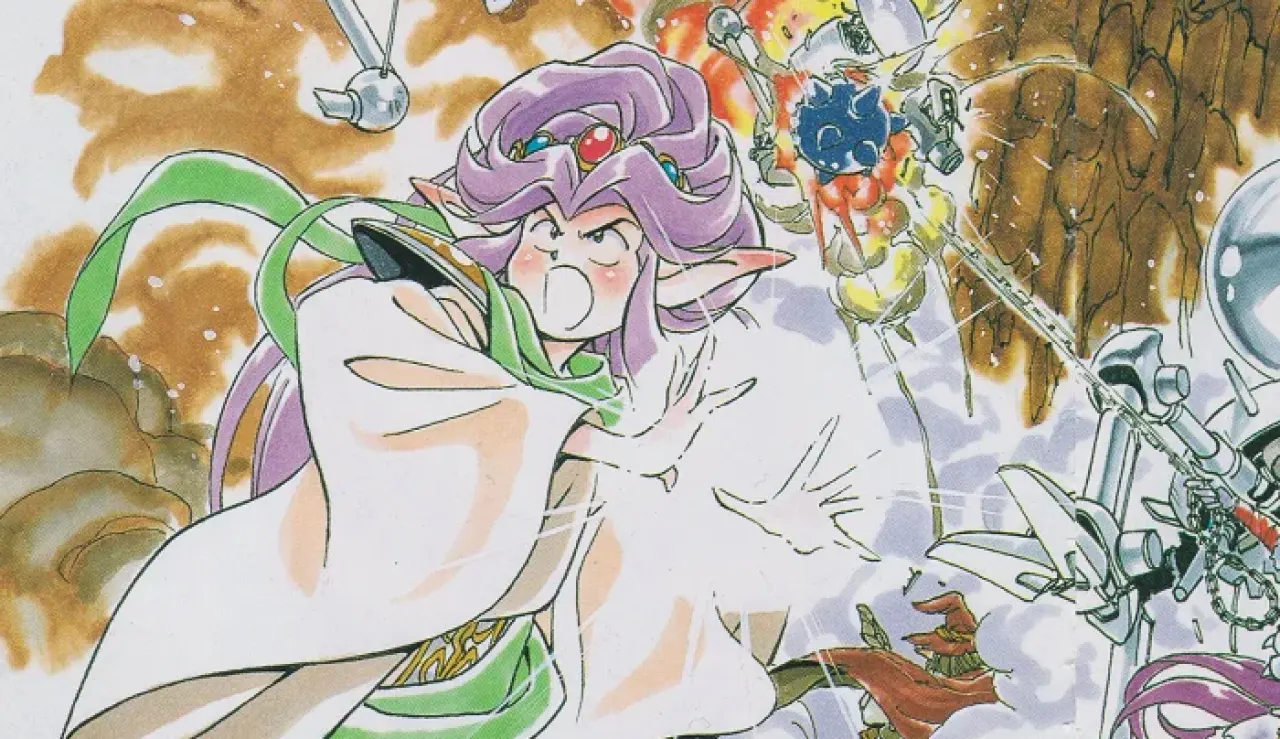
The Aug. 4 Nintendo Direct focused on the upcoming tactical RPG Fire Emblem: Fortune's Weave, prompting a Polygon writer to reflect on Sega's own '90s tactical RPG series, Shining Force, as an underappreciated rival to Fire Emblem. Unlike early Fire Emblem entries, which were largely confined to Japan, Shining Force launched on the Sega Genesis/Mega Drive across North America and Europe in the early 1990s, making it many Western players' introduction to the genre and one the author argues still holds up today.
Shining Force (1992) and Shining Force 2 (1993) share core mechanics with Fire Emblem, including grid-based tactical battles, class-based armies and character promotions, but stand out for their eccentric recruitable characters such as a werewolf, a robot and a phoenix, alongside inventive battle settings like a circus tent and a Nazca lines homage. Both games remain playable via the Sega Genesis library included with Nintendo Switch Online + Expansion Pack, though later entries on Sega CD and Saturn are harder to access legitimately. Despite the resemblance, developer Hiroyuki Takahashi told GamesTM in 2010 that Shining Force was not inspired by Fire Emblem, which he felt had poor pacing.
In short
- Nintendo Direct spotlighted Fire Emblem: Fortune's Weave for Switch 2
- Piece revisits Sega's Shining Force as a similar '90s tactical RPG
- Shining Force games are available via Switch Online's Genesis library
Steelman: both sides, in good faith
The strongest fair case each way — we don't pick a winner.
The case for
Shining Force offered Western audiences their first accessible encounter with tactical RPG design through mainstream console hardware, featuring distinctive character variety and inventive battle scenarios that remain engaging in emulation. Its global availability contrasts with Fire Emblem's initial Japan focus, lending weight to the argument that Shining Force's historical significance has been understated not through inferior quality but through market circumstances beyond its creative control.
The case against
Whilst Shining Force presented capable tactical gameplay, Fire Emblem ultimately developed richer narrative integration, more sophisticated mechanical systems, and broader artistic ambition that justified its market success and cultural dominance. Suggesting Shining Force deserves comparable recognition risks overlooking that sustained player engagement and critical preference reflected genuine creative differences rather than mere historical accident or platform advantage.
Explained simply
Shining Force is a series of tactical role-playing games made by Sega, first released for the Genesis, known as the Mega Drive in the UK and Europe. Its early games let players move a party of characters across a grid and fight turn-based battles, with characters gaining experience and changing class as they develop.
The series appeared in the early 1990s, when Nintendo’s Fire Emblem games were mostly available only in Japan. Shining Force reached players in North America and Europe, introducing many to this style of strategy game. Its cast included unusual recruits such as a werewolf, a robot and a phoenix, as well as distinctive battle settings.
The games are part of a wider history of tactical role-playing games, a genre that combines character stories with turn-based battlefield decisions. Although Shining Force and Fire Emblem share features, series developer Hiroyuki Takahashi said Shining Force was not inspired by Fire Emblem.