Science news and discussion on TalkFuse.
Self-dressing clothes could help older adults
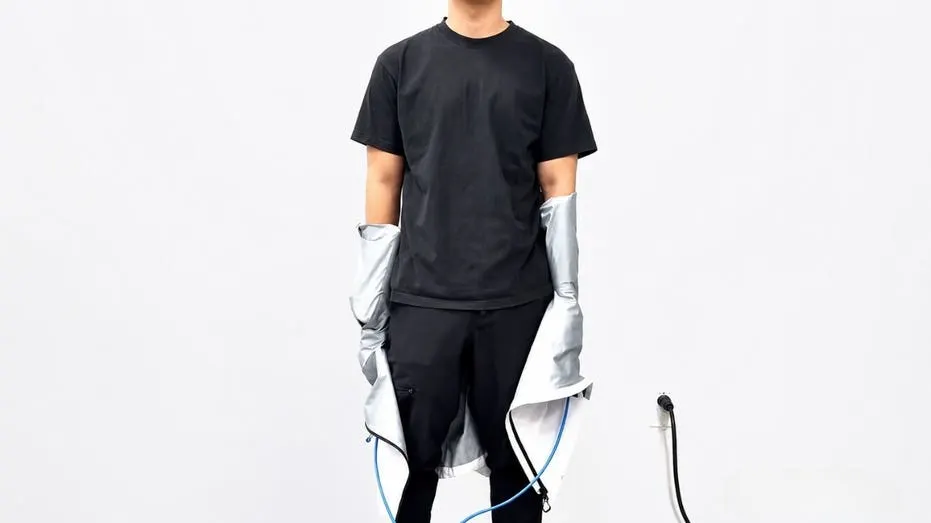
Researchers at South Korea's KAIST and Stanford University have developed self-dressing clothing fitted with soft, air-powered robotic components, aimed at helping older adults get dressed independently. The innovation addresses a common but under-discussed problem: everyday tasks like putting on a shirt or trousers can become genuinely difficult for people with stiff shoulders, limited mobility or balance issues, often forcing reliance on carers or family members for basic dressing.
Once activated, the garment's embedded robotics guide the fabric into place around the wearer's body, adjusting even as the person moves, rather than requiring them to manoeuvre into the clothing unassisted. The project remains at an early research stage rather than being commercially available, but it points towards a future where adaptive clothing could reduce the need for daily assistance and help older people remain independent in their own homes for longer.
In short
- KAIST and Stanford developed clothes with built-in soft robotics
- Garment guides itself into place to aid dressing
- Aims to help older adults dress independently at home
Explained simply
Many older people struggle with tasks most of us take for granted, like putting on a shirt or trousers. Shoulder stiffness, arthritis, balance problems or limited mobility can make independent dressing extremely difficult, often forcing older adults to ask family members or paid carers for help with this basic daily need.
Researchers from South Korea's KAIST university and California's Stanford University have developed clothing fitted with soft robotic components powered by air. When activated, these garments guide the fabric into place around the wearer's body, adjusting to their movements rather than requiring them to manoeuvre into the clothes themselves.
The technology is still in early testing and is not yet available for people to buy. If developed further, such specially designed clothing could help older people dress without constant assistance from carers, potentially allowing them to maintain greater independence in their daily lives.