World news and discussion on TalkFuse.
Sen Kennedy Reacts To Trump’s Summit With Adversaries Who Want To ‘Eat America’s Liver With Fava Beans And A Nice Cianti’
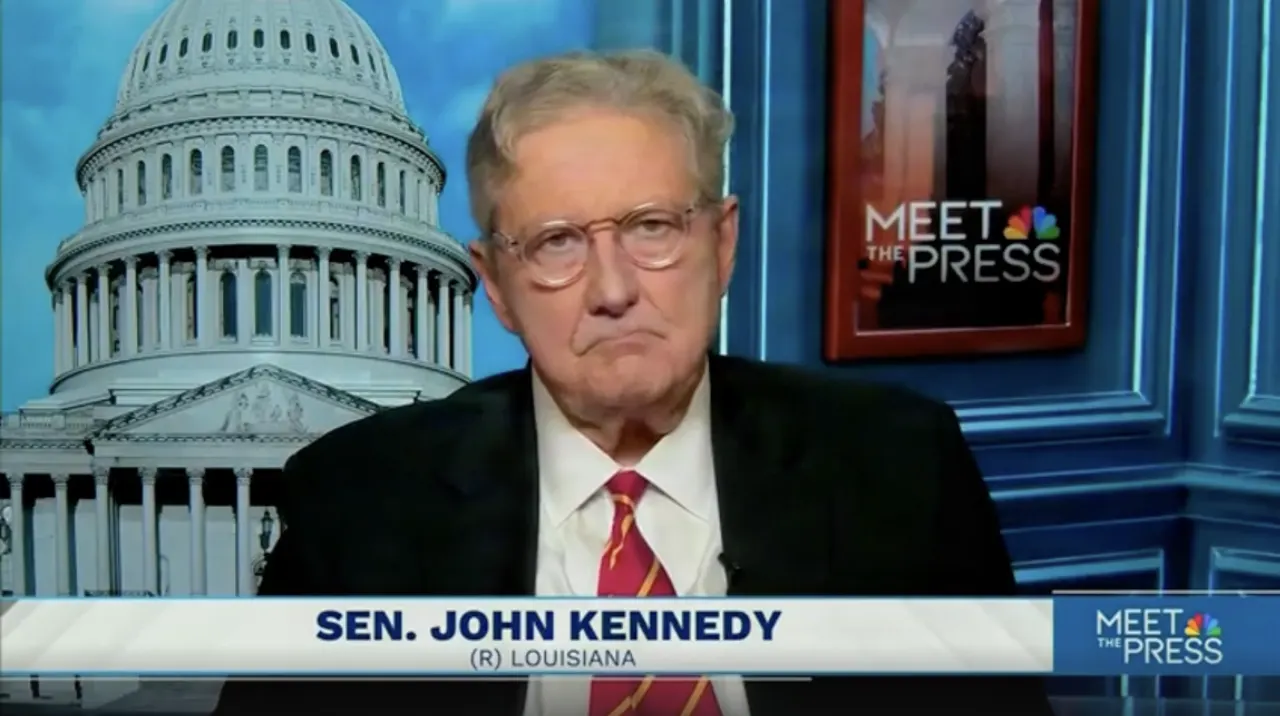
Sen John Kennedy said President Donald Trump should approach his summit with Russian President Vladimir Putin and Chinese President Xi Jinping cautiously, describing them as adversaries who seek to undermine US interests. He defended the meeting as an opportunity for the US to demonstrate resolve, arguing that diplomatic language alone would not deter them.
Kennedy proposed giving Putin two weeks to negotiate seriously over Ukraine, after which the US and Europe could seize about $285 billion in frozen Russian assets to fund Ukrainian weapons. His comments came amid intensified fighting and discussions among eastern NATO allies about a permanent US military presence. He also urged Congress to support a 42% increase in defence spending, saying he had failed to persuade Republican Senate colleagues to pursue it through a reconciliation bill.
In short
- Kennedy urged caution in dealings with Putin and Xi.
- He proposed using frozen Russian assets to fund Ukrainian weapons.
- He called for a 42% increase in US defence spending.
Steelman: both sides, in good faith
The strongest fair case each way — we don't pick a winner.
The case for
A cautious summit can give the United States a chance to test whether direct talks might reduce the war in Ukraine or other risks, while demonstrating resolve to Russia and China. Kennedy’s proposed deadline and use of frozen Russian assets could increase pressure on Moscow and help Ukraine defend itself; stronger defence spending could also reassure allies and deter aggression.
The case against
Critics could argue that setting a short deadline and threatening to use frozen assets may harden Russia’s position, complicate negotiations and raise legal or financial concerns. A larger defence budget and expanded US military presence could add to tensions or divert resources from other priorities, while describing adversaries in stark terms may make diplomacy harder.
Explained simply
The United States, Russia and China are major powers whose governments often disagree over security and influence. Donald Trump is the US president; Vladimir Putin leads Russia, and Xi Jinping leads China. US senator John Kennedy has urged caution in dealing with them, while arguing that talks can show American resolve.
Russia’s invasion of Ukraine has led the US and European countries to provide military and financial support to Ukraine and impose sanctions on Russia. Some Russian assets held abroad have been frozen, but using them to fund Ukraine raises legal and political questions. NATO is a military alliance that includes the US and several European countries, and its members also discuss how to deter further conflict.
Debates over diplomacy, military deployments and defence spending shape how the US and its allies respond to these tensions. Congress has a role in approving government spending, while decisions about frozen assets involve governments and financial authorities.
Americas Geopolitics Politics World