Senate clears way for Trump’s top spy as key anti-terror program remains in limbo
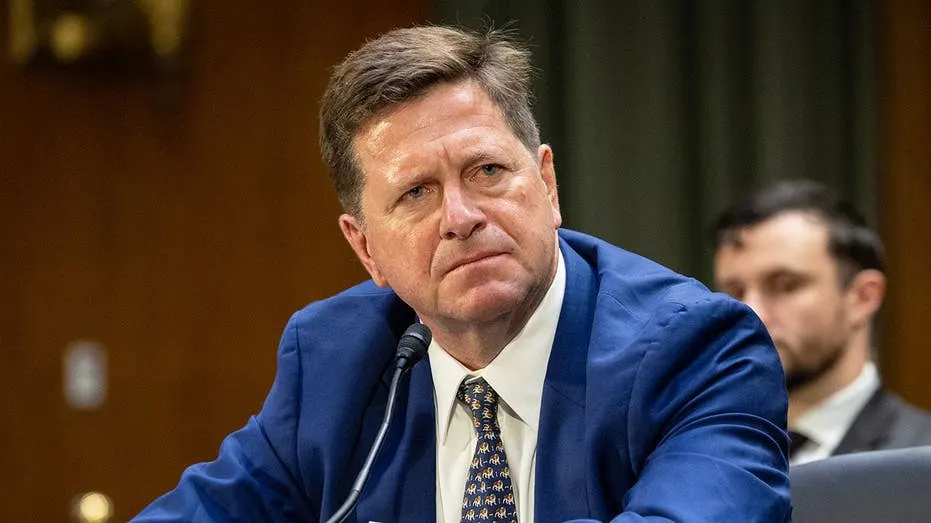
Jay Clayton, President Trump's nominee for Director of National Intelligence, advanced past a significant Senate procedural milestone on Monday evening. The progression comes following former DNI Tulsi Gabbard's recent resignation to care for her husband battling cancer. The vote split largely along partisan lines, reflecting broader congressional divisions over Trump administration national security picks.
Claytons confirmation movement opens the path for Senate action on a counter-terrorism programme currently in limbo pending his confirmation. During the process, Democrats questioned Clayton regarding his positions on the 2020 election, while supporters highlighted his former role as Securities and Exchange Commission chair. The Senate action represents a step toward resolving stalled security initiatives dependent on DNI confirmation.
In short
- Jay Clayton cleared a key Senate procedural hurdle for confirmation as Director of National Intelligence, Trump's pick for the role
- Vote was largely partisan; move follows former DNI Gabbard's departure to care for her ill husband
- Advancement expected to enable progress on stalled counter-terrorism programme
Steelman: both sides, in good faith
The strongest fair case each way — we don't pick a winner.
The case for
Supporters of Clayton's nomination argue that he brings valuable experience from his tenure as SEC chair, demonstrating competence in overseeing complex regulatory matters. They contend that the Senate, controlled by Republicans, has the constitutional responsibility to confirm the president's cabinet choices, and that blocking such nominations without substantive cause undermines effective governance. They further argue that promptly filling this position is necessary to restore continuity in national security and counter-terrorism operations currently delayed by the vacancy.
The case against
Those opposing Clayton argue that his positions on the 2020 election raise legitimate concerns about his commitment to institutional integrity and factual accuracy, qualities essential for someone overseeing the entire intelligence community. They contend that the DNI role demands exceptional judgment and independence from political pressure, and worry that his background suggests he may prioritise administration loyalty over the neutral, evidence-based analysis that intelligence work demands. Thorough scrutiny of such a sensitive appointment, they argue, serves the national interest.
Explained simply
The Director of National Intelligence is one of America's most senior national security positions, overseeing the country's intelligence agencies. This role has been vacant following Tulsi Gabbard's resignation, as she stepped back to care for her husband who is battling cancer. The vacant seat has left important security initiatives stalled, as some programmes cannot progress without the post being filled.
President Trump has nominated Jay Clayton, a lawyer who previously served as chair of the Securities and Exchange Commission, to fill the role. Senate approval is required for his appointment, and the chamber has now voted to advance his confirmation process. The vote largely followed party lines, with Democrats and Republicans largely voting separately.
The significance lies in a counter-terrorism programme that currently remains in limbo whilst the position is unfilled. Once a new Director of National Intelligence is confirmed, this security initiative can move forward. The procedural vote therefore represents progress towards resolving stalled national security matters.
Art Celebrity Culture Entertainment Government Politics World