Culture news and discussion on TalkFuse.
Senate confirms FEMA leader
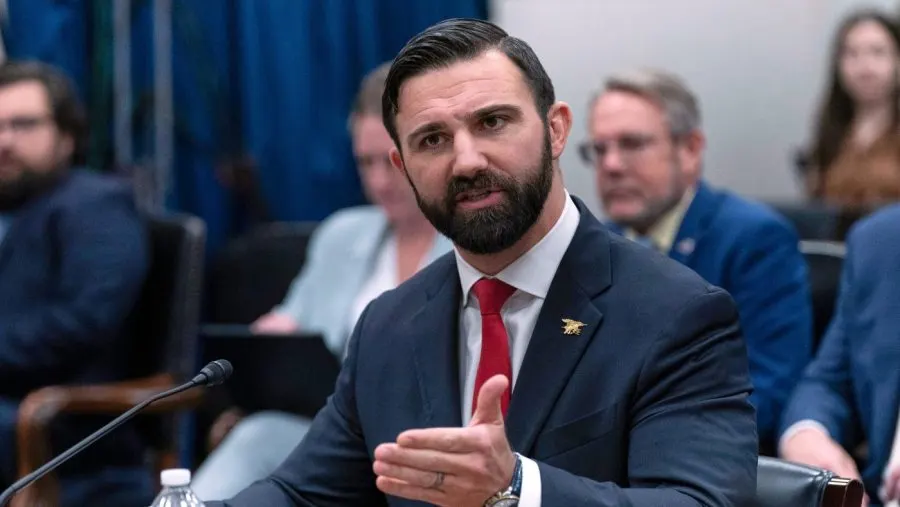
The Senate has confirmed Cameron Hamilton as administrator of the Federal Emergency Management Agency, returning him to an agency he briefly led in an acting capacity before being dismissed in 2025. His appointment matters because FEMA is responsible for coordinating federal disaster response and is facing uncertainty over proposed changes to its role and structure.
Hamilton was confirmed alongside 73 other nominees in a 51–47 Senate vote. A former Navy SEAL, he was removed after telling Congress he opposed abolishing FEMA; he now takes charge during a busy disaster season, with more than 1,000 active disaster declarations and an agency of over 20,000 employees.
In short
- Senate confirms Cameron Hamilton to lead FEMA.
- He previously opposed abolishing the agency.
- FEMA faces major reforms during active disasters.
Steelman: both sides, in good faith
The strongest fair case each way — we don't pick a winner.
The case for
Federal disaster response requires the coordination and expertise that a national agency uniquely provides. FEMA's established systems, trained personnel, and relationships with state and local authorities enable rapid, effective response across state boundaries and during simultaneous disasters. Continuity of experienced leadership is essential for maintaining preparedness and response capability, particularly during active disaster seasons. A leader with genuine commitment to the agency's core mission of protecting lives and communities serves the public interest more effectively than one obligated to implement a competing agenda.
The case against
Legitimate questions about federal efficiency and proper governance underpin concerns about FEMA's current structure. Some argue that disaster response could be improved through decentralisation, allowing states greater responsibility and innovation in emergency management whilst reducing federal overhead. There is also a principled concern about whether federal leaders should commit to implementing their administration's stated policy direction, including proposed reforms. The close Senate vote reflects genuine public disagreement about whether FEMA's current structure represents the most effective approach to disaster coordination and preparedness.
Explained simply
The Federal Emergency Management Agency, known as FEMA, is the US government body that helps co-ordinate the response to major disasters. It works with state and local authorities and provides support such as emergency funding and supplies.
The agency’s administrator leads its work and reports to the federal government. FEMA has more than 20,000 employees and handles many disaster declarations, so its leadership can affect how support is organised across the country.
FEMA’s future role and structure are under discussion, including proposals to change the agency. Its responsibilities make those decisions consequential for communities and public authorities responding to disasters.
Art Culture Government Politics