Senate Democrats introduce bill to roll back press restrictions at Pentagon
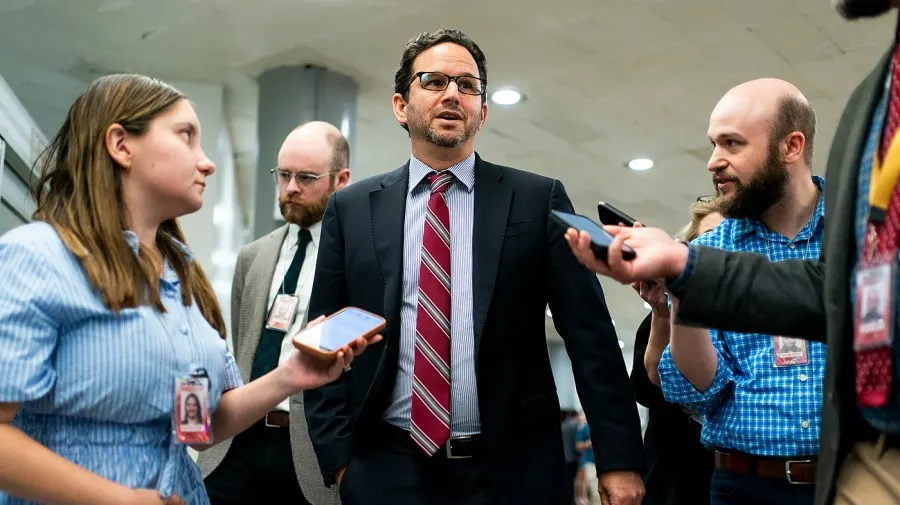
Senate Democrats have introduced legislation aimed at reversing restrictions on journalists covering the Pentagon. The proposal matters because it would seek to protect reporters’ ability to gather information independently about the US military and hold defence officials to account.
The move follows a series of Pentagon measures that have limited press access and prompted legal challenges and criticism from media organisations. Supporters argue the restrictions undermine First Amendment protections and government transparency, while the Pentagon has framed tighter rules as necessary for security and safeguarding sensitive information.
In short
- Senate Democrats seek to restore Pentagon press access.
- The bill responds to disputed media restrictions.
- Supporters say transparency and press freedom are at stake.
Steelman: both sides, in good faith
The strongest fair case each way — we don't pick a winner.
The case for
Democratic advocates argue that press freedom and government accountability require journalists to access Pentagon operations, spending decisions, and official conduct. The First Amendment exists to protect reporting on powerful institutions, and without independent press scrutiny of defence officials and military programmes, the public cannot meaningfully evaluate whether their armed forces operate lawfully and efficiently. Restricting press access creates opacity that prevents scrutiny of potentially problematic policies affecting both taxpayers and military personnel.
The case against
Those supporting Pentagon restrictions contend that national security genuinely requires limits on what journalists can access or report about military operations, classified information, and defence capabilities. The government has legitimate duties to protect active troops from harm, prevent adversaries from obtaining intelligence, and safeguard sensitive technologies. Some restrictions on press access to classified material are compatible with First Amendment protections, which themselves recognise limits in cases involving genuine national security risks.
Explained simply
The Pentagon is the headquarters of the US Department of Defense, which oversees the country’s armed forces. Journalists based there report on military policy, spending and operations, including decisions made by senior defence officials.
The US Constitution’s First Amendment protects freedom of the press, while the government can restrict access to protect sensitive information and security. Rules governing reporters’ access to the Pentagon affect how independently they can gather information and how much the public can learn about the military.