Politics news and discussion on TalkFuse.
Senate GOP Leaders Signal Openness To Cutting Off Iran War Funding
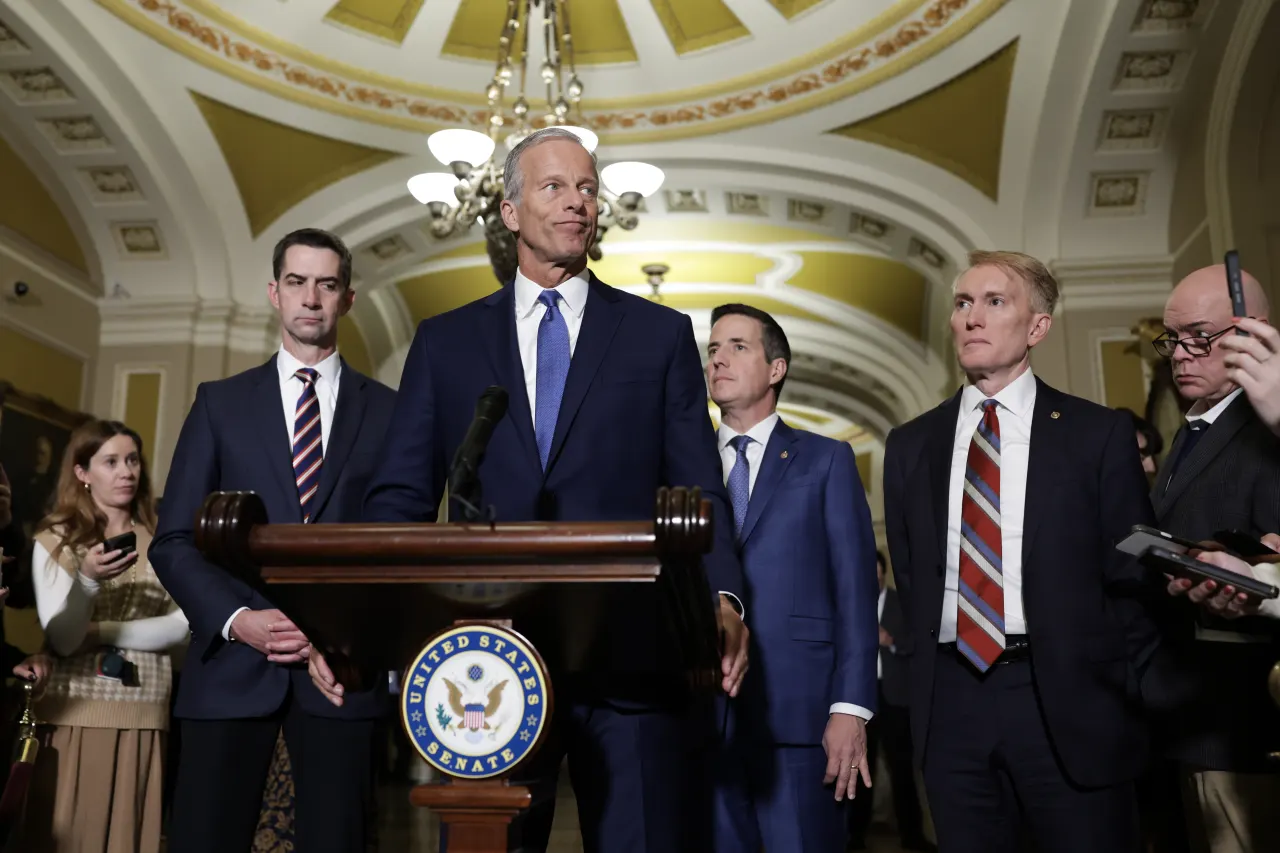
Senior Senate Republicans have signalled they may negotiate limits on funding for the Iran war as part of a deal to keep the federal government open beyond 11 December. Democrats are withholding support for government funding unless President Donald Trump seeks congressional authorisation for the war, with an exception for defensive action after an enemy attack.
Appropriations Committee chair Susan Collins said she was considering possible wording, while Majority Leader John Thune said he was open to arrangements that fund government and meet military and national security needs. Several Democratic senators are backing the proposal, and Senator Richard Blumenthal said he would probably oppose continued funding unless steps were taken to stop the war. A failure to agree on federal funding could trigger the fourth government shutdown since Trump’s second term began; House Democrats have not settled on whether to attach war-related conditions to the funding bill.
In short
- Senate Republicans are open to negotiating war-funding limits.
- Democrats want congressional authorisation for the Iran war.
- The 11 December funding deadline raises the risk of a shutdown.
Steelman: both sides, in good faith
The strongest fair case each way — we don't pick a winner.
The case for
Supporters of conditioning funding argue that a major, ongoing war should have explicit congressional authorisation, so elected representatives share responsibility for its aims and costs. Linking that requirement to government funding could press the president and Congress to debate the conflict, while preserving an exception for immediate defensive action.
The case against
Opponents of attaching war limits to a government funding deal may argue that military decisions and appropriations should be handled through a focused debate, rather than made a condition of keeping the government open. They may also contend that restricting funds before Congress agrees on the threat and the military’s needs could constrain the country’s response or create uncertainty for service members and allies.
Explained simply
Congress controls federal spending, including money for the armed forces. The president is commander-in-chief, but the Constitution gives Congress a role in authorising war; lawmakers also set conditions on government funding through spending bills.
The central figures include President Donald Trump, Senate Republican leaders John Thune and Susan Collins, and Democratic senators including Richard Blumenthal. The Senate and House must agree on funding legislation, and the president must sign it for it to become law.
The dispute links two questions: what limits, if any, Congress should place on funding for the Iran war, and how to keep federal agencies funded. If lawmakers fail to agree on government funding by the deadline, some federal operations could shut down.
Government Middle East Politics World