Politics news and discussion on TalkFuse.
Senate GOP rebels move to delay leadership vote, demand reckoning after midterm disaster
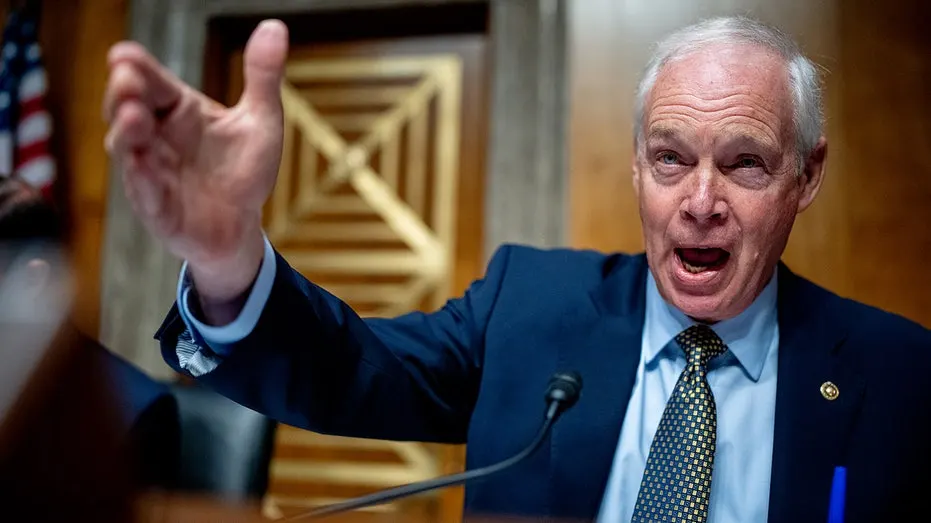
Five Republican senators are seeking to delay their party’s leadership election after Democrats’ strong midterm gains, arguing the conference should first assess what went wrong and agree a strategy for its move into the minority. The push puts pressure on Senate Republicans to discuss their direction, though it has not yet produced a clear challenge to Majority Leader John Thune.
Senator Ron Johnson’s letter to conference chair Tom Cotton secured the five signatures needed to request a delay, including those of Rick Scott, John Kennedy, Ted Budd and Mike Lee. Democrats won 54 Senate seats, with results in Mississippi and Alaska still potentially affecting the total. Thune is expected to run unopposed and remains popular with colleagues; Scott has said he will not run again.
In short
- Five Republicans want to postpone the Senate leadership vote.
- They want a review of the party’s midterm losses and strategy.
- Thune is still expected to run unopposed.
Steelman: both sides, in good faith
The strongest fair case each way — we don't pick a winner.
The case for
Delaying the vote could give senators time to examine why Republicans lost ground and agree on priorities before entering the minority. Supporters may see an open discussion as responsible accountability and a way to ensure the next leadership reflects the conference’s direction, even without a specific challenger to Thune.
The case against
Holding the vote as scheduled could provide continuity and avoid turning a difficult election result into a prolonged internal contest. With Thune popular and apparently unopposed, Republicans may judge that choosing their leader promptly would help them focus on developing a strategy in the minority.
Explained simply
The Senate is one of the two chambers of the US Congress, and its members are elected by state. The party with more seats controls the chamber’s agenda and chooses a leader to organise its work. After an election changes which party has more seats, senators also decide who will lead their party in its new role.
Republicans are discussing how to respond to losing ground to Democrats in the midterm elections, which take place halfway through a president’s term. Ron Johnson and four other Republican senators want colleagues to review the party’s performance and plan before choosing a leader. John Thune is the party’s current Senate leader, while Tom Cotton chairs its conference, the group of Republican senators. The discussion matters because it may shape how Republicans set priorities and work with Democrats in the next Congress.
Elections Government Politics World