Business news and discussion on TalkFuse.
Senate passes stopgap funding bill to prevent shutdown ahead of midterms
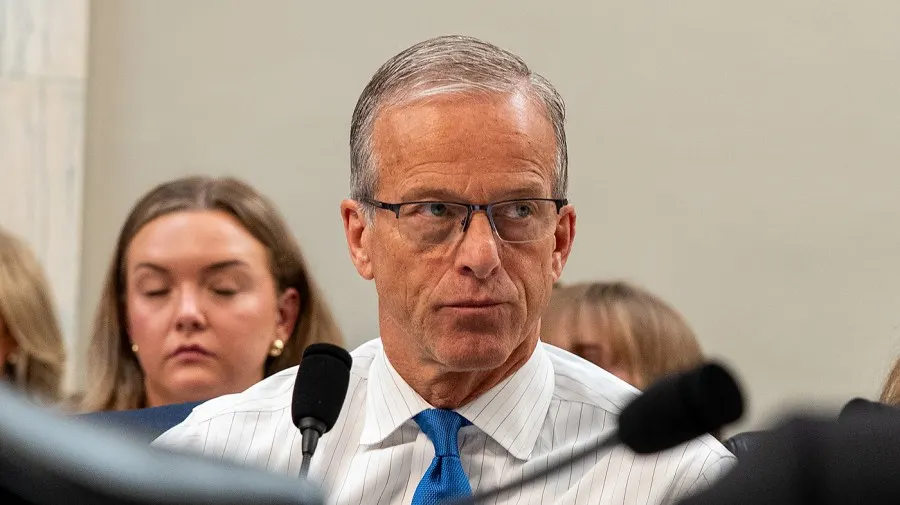
The US Senate has passed a bipartisan stopgap spending bill to keep federal agencies operating and avert a government shutdown during the midterm-election campaign. The measure now requires House approval after the August recess before it can be sent to President Donald Trump, and its early passage reflects lawmakers’ concern after two shutdowns in the previous year.
The bill passed 90–6 and would generally maintain current funding levels until 11 December, nearly two months before the 30 September fiscal-year deadline. It blocks transfers to Border Patrol, omits $1 billion requested for a proposed “Trump-class” battleship, delays a ban on most intoxicating hemp products by one month, and temporarily prevents new rules requiring political appointees to review federal grants.
In short
- Senate approves funding through 11 December.
- The House must still pass the bill.
- Several disputed policy provisions were modified or delayed.
Steelman: both sides, in good faith
The strongest fair case each way — we don't pick a winner.
The case for
Supporters argue that preventing government shutdown is Congress's fundamental responsibility that must take priority. Shutdowns disrupt essential federal services, harm federal workers' livelihoods, and create economic uncertainty. The bill's overwhelming 90-6 bipartisan vote demonstrates that lawmakers recognised this necessity transcends partisan divisions. A temporary measure maintaining current spending levels provides stability whilst allowing more time for substantive negotiation on contentious issues, avoiding the far greater damage that a shutdown would inflict on both governance and public trust.
The case against
Critics contend that stopgap spending exemplifies legislative dysfunction rather than remedying it. By repeatedly deferring budget decisions, Congress avoids the difficult work of establishing genuine priorities and making principled fiscal choices. This approach leaves federal agencies unable to plan effectively and perpetuates chronic uncertainty. The specific provisions—blocking Border Patrol transfers, omitting military spending—reveal how contentious issues are decided through political negotiation rather than substantive policy debate. Congress should prioritise comprehensive budgeting that actually addresses fiscal challenges instead of enabling endless postponement.
Explained simply
The US government is funded through spending laws passed by Congress, which has two chambers: the Senate and the House of Representatives. If funding expires before a new law is agreed, some federal agencies must suspend parts of their work, a situation known as a shutdown.
A stopgap bill temporarily keeps agencies operating, usually by continuing existing funding while lawmakers negotiate longer-term budgets. The Senate and House must both approve it before it can go to the president, who can sign it into law. These funding decisions matter because they shape how government services operate and can become a point of debate during election campaigns.
Business Elections Government Markets Politics