Senator Eric Schmitt joins Dakich, fires back against Senator Hawley over Title IX claims
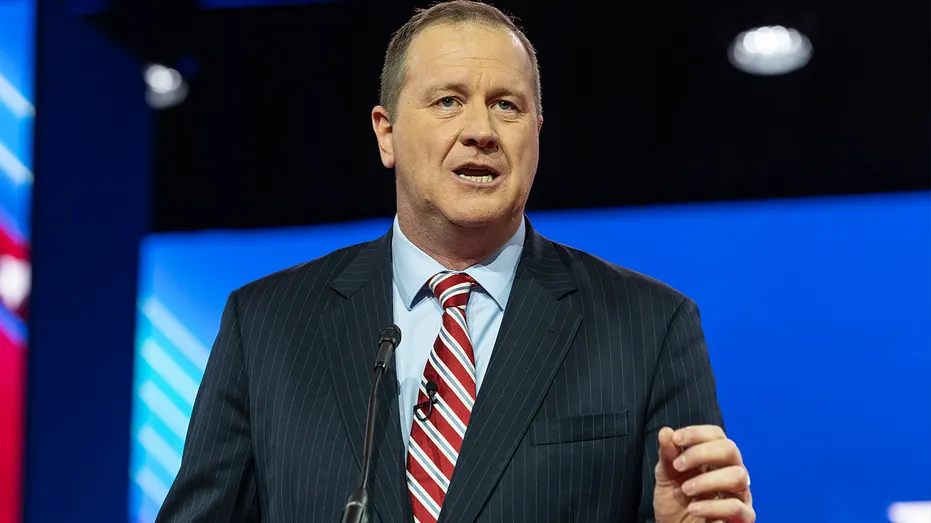
Republican Senator Eric Schmitt has publicly defended the Protect College Sports Act (PCSA), pushing back against fellow Republican Senator Josh Hawley's claims that the bipartisan bill undermines Title IX protections. The exchange took place during an appearance on Dan Dakich's "Don't @ Me" show, as the two senators clash over how to regulate name, image and likeness (NIL) compensation in college athletics. The disagreement highlights ongoing tension among Republicans over how to balance NIL reform with protections for women's college sports.
The PCSA aims to create a national framework to stabilise the NCAA's NIL landscape amid growing calls for federal oversight, and while it has support from both sides of the aisle, critics including Hawley argue it contains loopholes that could weaken Title IX safeguards. Schmitt used the Dakich interview to argue that Title IX protections remain intact under the bill. The legislation has already faced turbulence in the Senate, having stalled in an overnight vote that was pushed back to September, with President Trump publicly backing its passage.
In short
- Sen. Eric Schmitt defends PCSA's Title IX protections against Hawley's criticism
- Dispute centres on NIL reform bill's impact on women's college sports
- PCSA vote already delayed to September after a chaotic Senate session
Steelman: both sides, in good faith
The strongest fair case each way — we don't pick a winner.
The case for
The PCSA addresses a genuine regulatory void in college athletics by establishing a national NIL framework, which is essential given the current chaotic landscape. Proponents argue that Title IX protections remain fully intact within the bill's language, and that sensible NIL reform need not undermine women's sports safeguards—indeed, a coherent national approach may better prevent discriminatory treatment than the current unregulated environment. The bill's bipartisan support suggests it successfully balances both reform objectives.
The case against
Critics contend that the bill contains loopholes that could enable circumvention of Title IX's fundamental protections for women's athletics, which have been hard-won and remain vulnerable. They argue that given Title IX's importance, any potential weakening—however unintended—warrants caution, and that rushed passage should not outpace careful scrutiny of whether the legislation adequately safeguards women's sports funding and opportunities against subtle erosion through NIL mechanisms.
Explained simply
Name, image and likeness (NIL) rules let US college athletes earn money from sponsorships and other uses of their personal brand. Changes to those rules have prompted calls for a national law, as colleges and sports bodies work out how athletes can be paid.
The Protect College Sports Act is a proposed federal framework for NIL payments. Its supporters say common rules could make the system more stable; critics question whether the bill adequately protects women’s sport.
Title IX is a US law that bars sex discrimination in education, including in school and college sports. Senators Eric Schmitt and Josh Hawley, both Republicans, disagree over whether the proposed NIL rules would preserve those protections.