Health news and discussion on TalkFuse.
Senators Want To Tell the Drug Police How To Practice Medicine
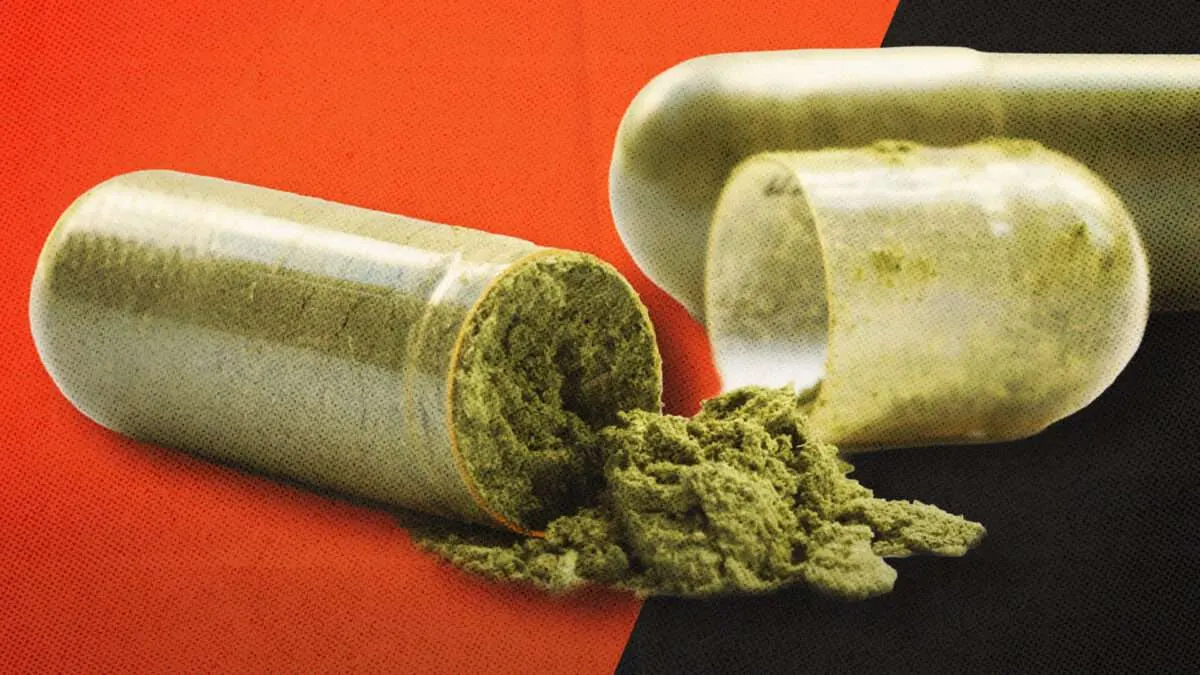
Eight senators are urging the DEA to impose tighter controls on concentrated kratom compounds, arguing that a proposed change would allow products with more 7-hydroxymitragynine (7-OH). The article says their letter misstates the situation: the DEA’s proposed limits have not taken effect, and a separate order still places mitragynine pseudoindoxyl (MP) in Schedule I.
Kratom users report taking it for pain, anxiety and to reduce or stop using other opioids, though its benefits need further research. The DEA proposed in July to schedule products with more than 0.05 per cent 7-OH, then proposed a 0.1 per cent limit for solids in October, alongside a separate limit for liquids and a ratio test involving mitragynine. As of 19 November, the October proposal had not become an order; the article also notes that concentration alone does not establish a product’s dose or a safe consumption level.
In short
- The DEA’s proposed 7-OH limits have not taken effect.
- An existing Schedule I order for MP remains in place.
- The article questions whether concentration limits show consumer risk.
Steelman: both sides, in good faith
The strongest fair case each way — we don't pick a winner.
The case for
Supporters of tighter controls can argue that concentrated 7-OH products may pose risks that ordinary kratom leaf does not, while evidence about benefits, dosing and safety remains limited. They may see clear limits as a precaution to reduce harm and give regulators a practical way to oversee products whose strength can vary.
The case against
Opponents can argue that broad or premature controls could restrict access for people who use kratom to manage pain, anxiety or opioid dependence, before its potential benefits and risks are well understood. They may also contend that concentration limits alone do not establish a product’s dose or safety, so rules should rest on sound evidence and distinguish among compounds and formulations.
Explained simply
Kratom is a plant whose compounds are sold in products used by some people for pain or anxiety, or to reduce their use of opioid drugs. Research into its benefits and risks is still developing. One compound, 7-hydroxymitragynine, or 7-OH, can also be concentrated in some products.
The Drug Enforcement Administration (DEA) is the US agency that enforces federal drug laws and can place substances under restrictions known as drug schedules. Mitragynine pseudoindoxyl, another kratom-related compound, is subject to a separate Schedule I order. A proposed limit on 7-OH products is distinct from that order, and a product’s concentration alone does not show how much someone takes or what amount is safe.