Technology news and discussion on TalkFuse.
CPS solicitor cited fictitious case in challenge over child prosecution
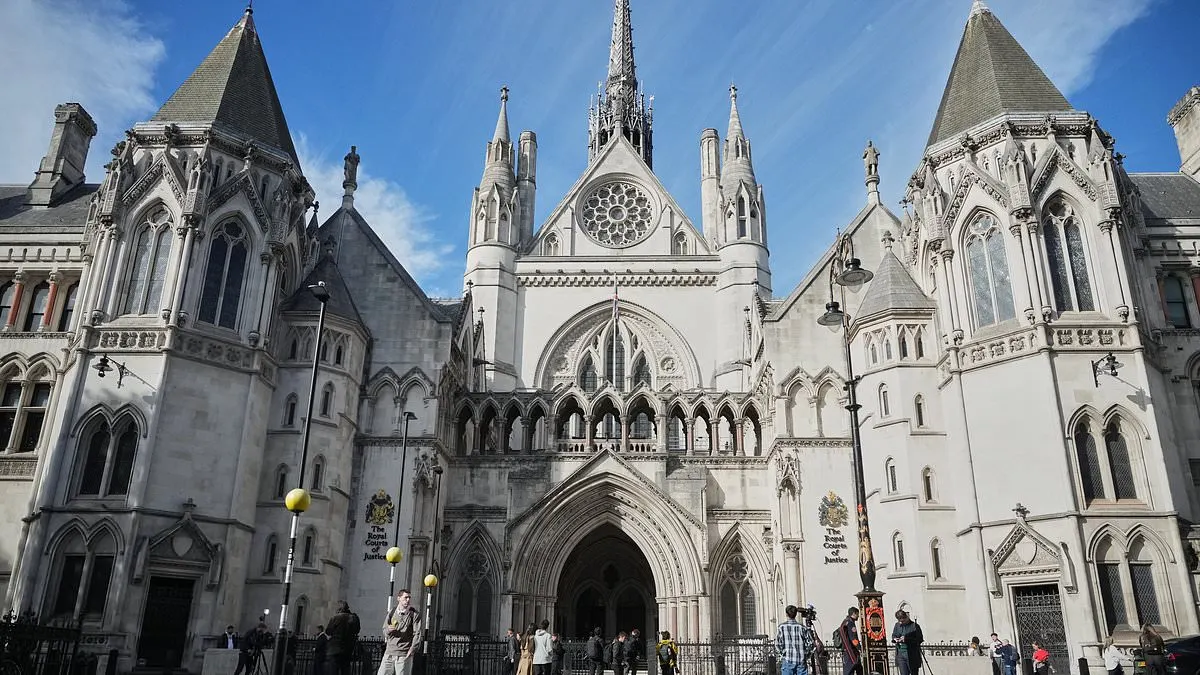
A senior Crown Prosecution Service solicitor cited a non-existent legal case in written submissions during a High Court challenge over the prosecution of a child. The incident matters because the invented precedent was used to support a decision with serious consequences for children, prompting concern about the reliability of legal research and the use of AI in court.
The solicitor, Ravinder Dhillon, said the citation was an error and that she had meant to refer to a House of Lords decision from 14 years earlier; judges called her explanation “unsatisfactory” but said the mistake did not change the outcome. The challenge concerned a boy who was 11 when he allegedly raped his seven-year-old sister, and the court allowed proceedings to continue. The CPS said its AI policy requires human accuracy checks and prohibits AI from making legal decisions.
In short
- A CPS solicitor cited a fabricated case in High Court submissions.
- Judges said the error did not affect the decision to continue prosecution.
- The incident renews concerns about checking AI-assisted legal research.
Steelman: both sides, in good faith
The strongest fair case each way — we don't pick a winner.
The case for
A fabricated citation in a case involving children raises legitimate concerns about the care taken in legal research and the safeguards used to check submissions, especially when prosecutors exercise significant power. Even if the error did not affect this ruling, a clear explanation and reliable checking procedures matter for public confidence and for protecting the fairness of future cases.
The case against
The solicitor said the citation was an error and identified the earlier House of Lords decision she intended to rely on; the judges found the explanation unsatisfactory but concluded the mistake did not change the outcome. On that account, the incident may call for proportionate review of research and checking practices rather than a conclusion that the prosecution decision or the court’s ruling was unsound.
Explained simply
The Crown Prosecution Service (CPS) brings criminal cases in England and Wales. A High Court challenge is a legal process in which judges review whether a decision or procedure was lawful; here, it concerned whether a prosecution could proceed against a child.
The case involved a boy who was 11 when he was accused of raping his seven-year-old sister. The court allowed the prosecution to continue, a decision with serious consequences for both children and their family.
Legal arguments rely on accurate references to earlier court decisions, known as precedents. An incorrect citation raises questions about how legal research is checked and how artificial intelligence may be used in court documents, while the CPS says its policy requires people to verify accuracy and bars AI from making legal decisions.
Read the full article at the source →
Originally published by Daily Mail as “Senior CPS prosecutor accidentally references non-existent case after using AI during child rape High Court hearing”.