Senior White House official claims China’s K3 model stolen from Anthropic
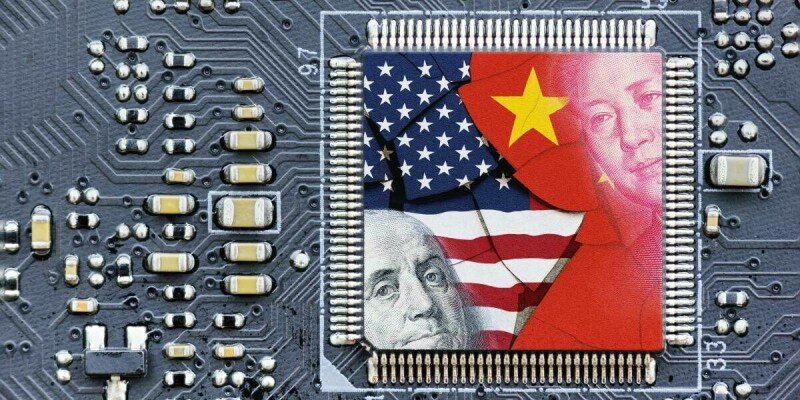
A senior White House official has publicly accused Chinese AI firm Moonshot AI of stealing Anthropic's technology to build its Kimi K3 model, rather than developing it through genuine innovation. Michael Kratsios, Donald Trump's Assistant for Science and Technology, made the claim via social media, alleging Moonshot used "distillation" — repeatedly querying a rival's model to train its own — on a large, covert scale. The accusation matters because Kimi K3's release on 16 July had already unsettled US AI investors, who feared it signalled China closing the technological gap, and the row threatens to escalate tensions between Washington and Beijing over AI development and chip export controls.
Kratsios said Moonshot built a "sophisticated internal platform" to conduct large-scale distillation against US models while evading detection, and claimed the company accessed restricted Nvidia GB300 accelerators, including some hosted in Thailand, to do so. US Treasury Secretary Scott Bessent echoed the accusation, warning that "open source is not open season on American IP" and that sanctions or Entity List designations could follow for firms conducting covert industrial-scale distillation. Anthropic itself had already accused Moonshot AI, along with DeepSeek and MiniMax, of similar distillation practices back in February 2026. China has consistently denied such espionage allegations, and a 2025 Australian Strategic Policy Institute report notes China still leads in 66 of 74 critical technologies it tracks.
- White House official accuses Moonshot AI of stealing Anthropic tech via distillation
- Claims include unauthorised access to restricted Nvidia chips, some in Thailand
- Treasury Secretary warns of possible sanctions against Chinese firms involved