Custody failures contributed to Exeter pensioners’ killings, inquest jury finds
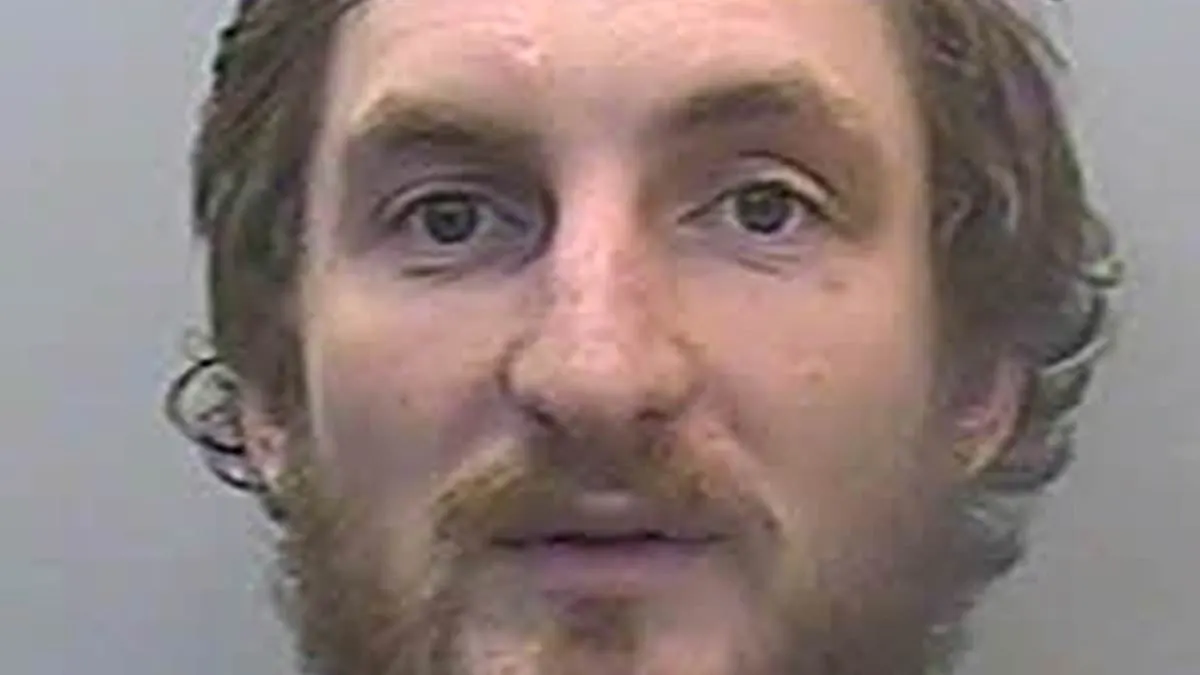
An inquest jury concluded that failures by police and healthcare professionals contributed to the deaths of three pensioners killed by Alexander Lewis-Ranwell in Exeter in February 2019. The findings matter because the jury said shortcomings in managing his mental health while in custody probably made a more than minimal contribution to the deaths.
Lewis-Ranwell had been arrested twice in the days before the killings, including after attacking a farmer with a saw, but was released without a Mental Health Act assessment; a requested follow-up with a mental health nurse did not take place. He later killed Anthony Payne, 80, and twins Dick and Roger Carter, both 84. After a subsequent arrest, he was assessed as acutely psychotic; he was found not guilty of murder by reason of insanity and detained indefinitely in a psychiatric unit. The victims’ families called for lasting changes and a national review of guidance and training.
In short
- Inquest jury found custody failures contributed to three deaths.
- A requested mental health nurse follow-up did not happen.
- Families called for national lessons and lasting change.
Explained simply
In February 2019, Alexander Lewis-Ranwell killed three pensioners in Exeter: Anthony Payne and twin brothers Dick and Roger Carter. He had been arrested twice in the days beforehand, including after attacking a farmer, but was released without a mental health assessment.
After his arrest following the killings, Lewis-Ranwell was assessed as acutely psychotic. He was found not guilty of murder by reason of insanity and detained in a psychiatric unit. The case raises questions about how police and health services assess and support people in custody when they may be experiencing serious mental health problems.
Read the full article at the source →
Originally published by Daily Mail as “Series of failures allowed mentally ill man to be freed from custody hours before he bludgeoned three pensioners to death, inquest jury concludes”.