World news and discussion on TalkFuse.
Seward’s second bargain: Lock Greenland, free the Faroe Islands, and end Norway’s surrender of Svalbard
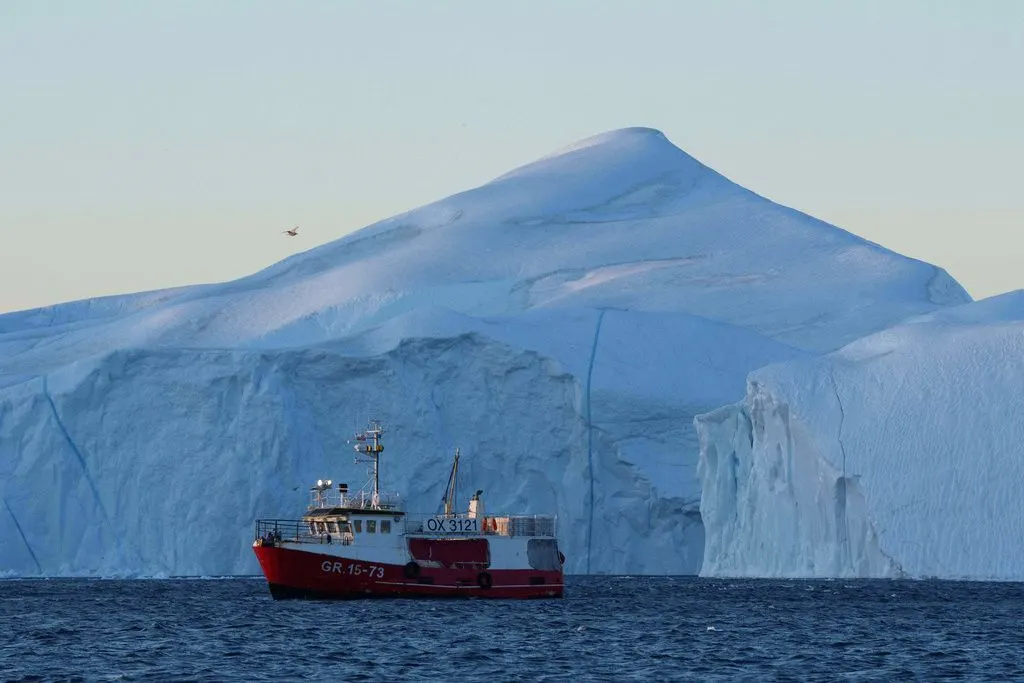
A proposed American security deal for the Arctic should go further, the article argues, by securing a lasting US role in Greenland and extending protections to the Faroe Islands and Svalbard. It presents the 1867 Alaska purchase as a precedent for treating territory as a long-term strategic asset, and says the current Greenland agreement leaves important gaps in North Atlantic security.
The agreement reached by the United States, Denmark and Greenland on 22 September 2026 expands US military access at Pituffik Space Base, permits new defence areas at Narsarsuaq and Mestersvig, and bars military presence by countries outside NATO. Greenland’s parliament ratified it by 16 votes to none on 3 November 2026, with the arrangement intended to endure even if Greenland becomes independent. The article says the deal does not establish a permanent US strategic position in Greenland and offers no comparable framework for the Faroes or Svalbard.
In short
- A new US-Denmark-Greenland agreement expands American military access.
- Greenland’s parliament approved it unanimously, 16-0.
- The article calls for comparable security arrangements for the Faroes and Svalbard.
Steelman: both sides, in good faith
The strongest fair case each way — we don't pick a winner.
The case for
A lasting US strategic role across Greenland, the Faroes and Svalbard could help protect vital Arctic and North Atlantic routes as military competition grows. Supporters might argue that extending the agreement would close security gaps, deter hostile activity and give allies a clearer, durable framework for cooperation, while drawing on the Alaska purchase as a precedent for long-term strategic commitments.
The case against
A broader US role could undermine the political autonomy of Greenland, the Faroes and Norway, whose people and governments should determine their own security arrangements. Critics might argue that expanding the deal risks heightening tensions, weakening existing international understandings around Svalbard, and treating inhabited territories as strategic assets rather than partners with distinct rights and interests.
Americas Europe Politics World