Business news and discussion on TalkFuse.
‘Shadow government’: Trump claims intel community bragged about hiding Chinese meddling
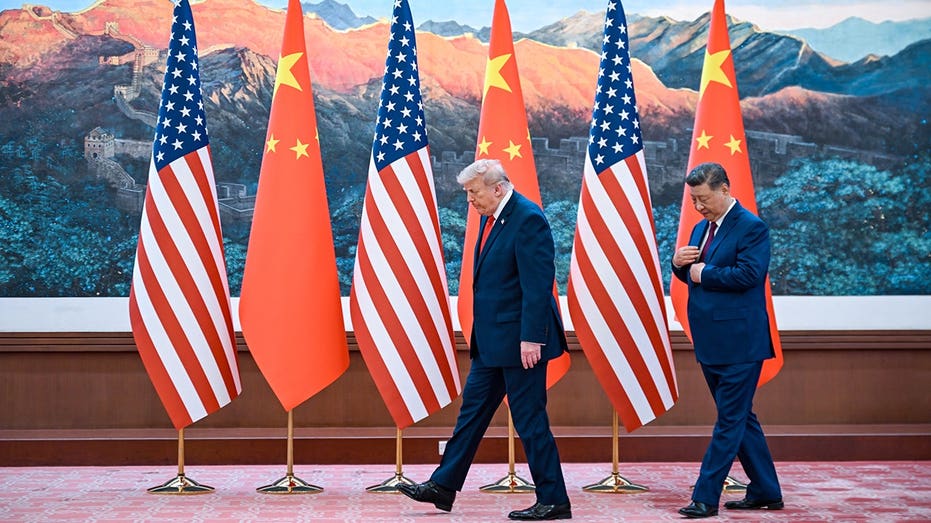
President Donald Trump has accused members of the US intelligence community of running a "shadow government" that allegedly concealed evidence of Chinese attempts to influence American elections. The claim, made in a post on Truth Social, follows the release of newly declassified emails that Trump says expose officials boasting about suppressing information on Chinese election interference. The allegation adds to a series of Trump claims this week concerning election integrity and intelligence agency conduct.
Trump has separately released declassified election intelligence he says reveals "shocking vulnerabilities" in the US voting system, and his administration has raised concerns about noncitizen voter registration in several key states. The president has also linked the intelligence dispute to his broader push for stricter voting rules, including photo voter ID and proof-of-citizenship requirements, which he says are needed before he will sign a pending housing bill. Full details of the declassified emails and specific individuals implicated were not disclosed in the material available.
In short
- Trump accuses intelligence officials of hiding China election meddling evidence
- Claim based on newly declassified emails released this week
- Tied to Trump's wider push for voter ID and citizenship checks
Steelman: both sides, in good faith
The strongest fair case each way — we don't pick a winner.
The case for
Intelligence agencies wield substantial power with limited public accountability, and history demonstrates they have sometimes concealed information improperly; if declassified materials show officials actively suppressed evidence of foreign election interference, this represents a genuine breach of duty that undermines both election security and democratic legitimacy. The public and elected leadership have a legitimate right to scrutinise intelligence agency conduct to ensure these bodies serve rather than obstruct democratic processes.
The case against
Framing legitimate classification procedures and inter-agency disagreements as a 'shadow government' inflates the narrative without established evidence of systematic wrongdoing; intelligence professionals operate within legal constraints that sometimes require delayed disclosure to protect sources and methods, and characterising this as suppression conflates proper procedure with conspiracy. Without access to the full context and specifics of the declassified material, assessing whether officials genuinely engaged in misconduct versus discussing standard security protocols remains premature, and linking these claims to voter ID requirements suggests a broader political agenda complicating the core allegation.
Explained simply
The United States has government agencies, including the CIA and FBI, that gather intelligence on threats to national security. Foreign interference in elections is taken seriously because it could affect voting and undermine public trust in the democratic process.
President Trump has accused officials in these agencies of hiding evidence that China attempted to influence American elections. He says he has released previously secret government emails in which these officials discuss concealing such information.
Trump is using these allegations to push for stricter voting rules, such as requiring voters to show identification and proof of citizenship. The dispute reflects broader tensions between Trump and intelligence agencies over election security and transparency.
Business Elections Government Markets Politics World