Shadowbox Takes On Management Of New York’s Historic Kaufman Astoria Studios
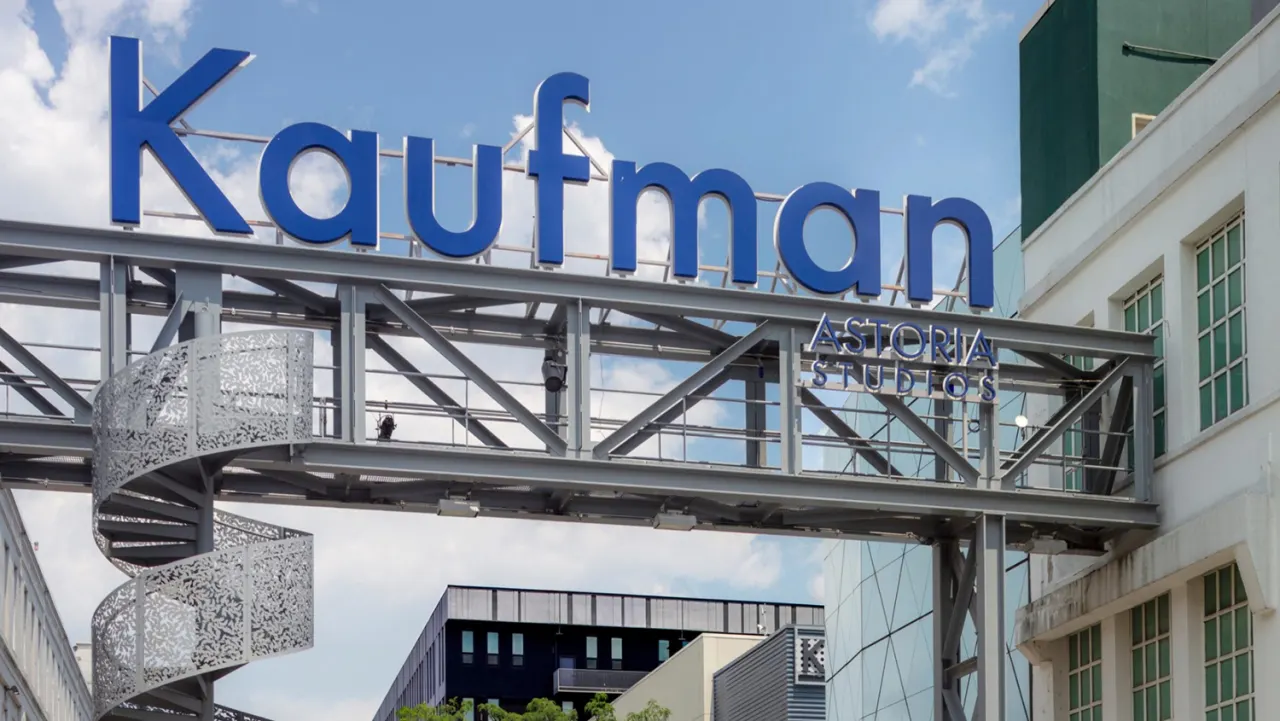
Shadowbox Studios has taken over management of Kaufman Astoria Studios, the historic New York production facility, following a period of financial turmoil at the site. The move brings a major studio operator into a landmark venue with a long production history, offering some stability after its previous owner faced legal action over unpaid debts.
The 500,000 square-foot Astoria, Queens campus, built in the 1920s as Paramount Pictures' original home, has hosted productions from Goodfellas and Sesame Street to Succession and The Devil Wears Prada 2, and comprises 11 soundstages. Shadowbox's appointment follows a foreclosure complaint filed in April by Deutsche Bank against the studios and then-owner Hackman Capital Partners over an alleged default on a $340 million loan; a court-appointed receiver subsequently named Shadowbox as operator. The company already runs facilities in Atlanta, the UK's Shadowbox Shinfield, and a site under development in Queensland, Australia.
- Shadowbox Studios now manages New York's historic Kaufman Astoria Studios.
- Move follows Deutsche Bank's foreclosure complaint over a $340m loan default.
- Shadowbox also runs studios in Atlanta, the UK and Australia.
New here? Start with this
Shadowbox Studios has become the new operator of Kaufman Astoria Studios, a major film and television production complex in Queens, New York. The site dates back to the 1920s, when it was built as Paramount Pictures' original home, and has since hosted a long list of well-known productions. Shadowbox is a studio operator that also runs facilities in Atlanta, the UK and Australia.
The change follows financial difficulties at Kaufman Astoria under its former owner, Hackman Capital Partners. Deutsche Bank had filed a legal complaint claiming the owner defaulted on a large loan tied to the property, and the courts appointed a receiver to oversee the site, who then brought in Shadowbox to manage it.
The studio complex is a significant piece of American film history and remains an active production hub, so its ownership and management have wider implications for the film and TV industry in New York.