Shake Shack responds after customers who refused to tip were charged more for their order
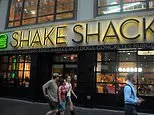
Shake Shack has responded after reports that customers who declined to leave a tip were charged more for their order at a branch in Salt Lake City, Utah. Screenshots shared online appeared to show the fast-food chain's payment system adding an additional charge onto orders when customers selected "no tip", sparking accusations that the company was penalising diners who chose not to tip. The incident reignited a wider debate in the US over "tipflation" and the growing pressure on customers to tip even at counter-service and fast-food restaurants.
Shake Shack said the discrepancy was the result of a pricing error rather than a deliberate policy of charging non-tippers more, and that the issue was being corrected. The company, which operates thousands of locations across the US, stressed that tipping remains entirely optional for customers and denied that it penalises those who do not leave a gratuity. The episode has fuelled ongoing frustration among American consumers over rising and often confusing tip prompts at checkout screens.
- Shake Shack customers reported being charged more after declining to tip
- Chain blamed a pricing error, not a deliberate no-tip penalty
- Incident adds to US debate over pressure to tip at fast-food chains
New here? Start with this
Shake Shack is a large American fast-food chain known for burgers, with thousands of branches across the US. The story centres on one of its restaurants in Salt Lake City, Utah, where customers noticed that choosing not to leave a tip on the payment screen appeared to result in a higher total charge than if they had tipped. Screenshots of this were shared online, prompting accusations that the chain was penalising people who declined to tip.
The issue touches on a broader trend in the US often called "tipflation", where tipping prompts have spread from restaurants with table service to counter-service and fast-food outlets, leaving many customers uneasy about being asked to tip for quick, self-service transactions. This has made tipping screens a recurring source of complaint and scrutiny for American consumers in recent years.
Shake Shack has now addressed the claims directly, giving its explanation for what happened and stating its position on whether tipping affects the price customers pay. The company's response matters because it will shape whether the incident is seen as a one-off technical mistake or as evidence of a deliberate practice, and because it feeds into wider public debate about tipping culture and pricing transparency at fast-food chains.