World news and discussion on TalkFuse.
‘Shakespearean tale of ego, greed and ambition’: the scandalous story of televangelism
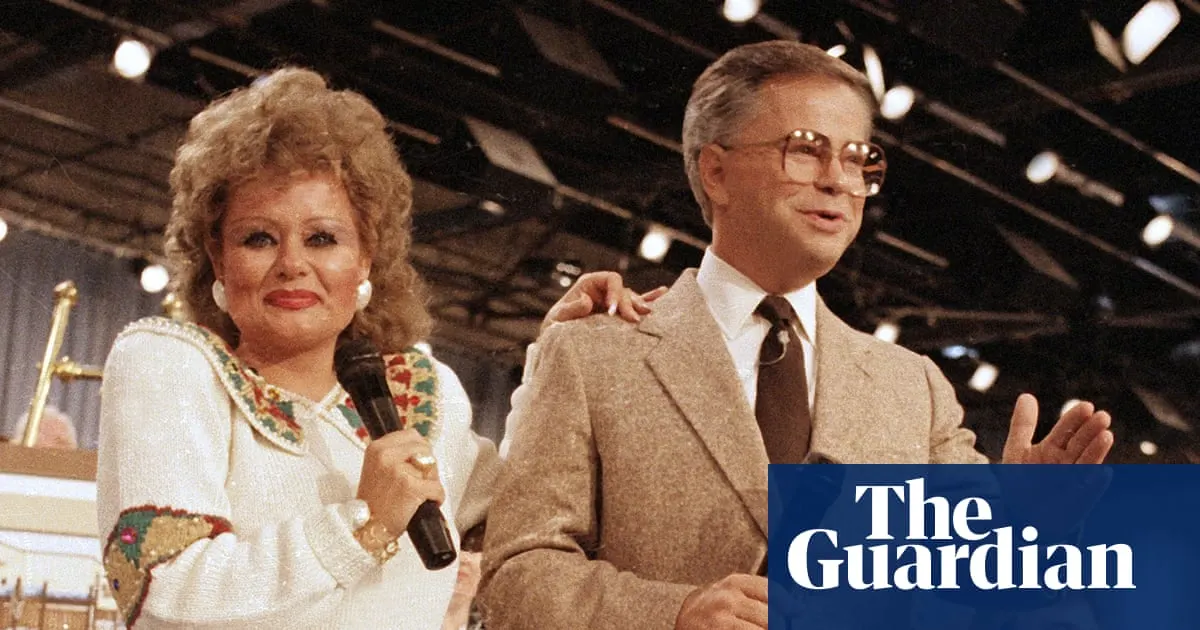
Netflix’s *Primetime Preacher$*, directed by Joe Berlinger, revisits the rise of American televangelism through the intertwined stories of Jerry Falwell, Jimmy Swaggart and Jim Bakker. The documentary presents the movement as both a religious phenomenon and a force in the growth of the religious right, while tracing the scandals that damaged public trust.
Bakker is at the centre of the 114-minute film, which uses archival footage and interviews to show how his folksy PTL broadcasts reached more than 13 million people. The article describes the Bakkers’ lavish spending on ministry funds, Swaggart’s public attacks on Bakker and the late-1980s scandal involving Jessica Hahn, who received $265,000 in exchange for her silence; IRS auditors later said $1.3 million in ministry funds had gone to the Bakkers’ personal benefit.
In short
- A documentary revisits the televangelism boom through three prominent preachers.
- Jim Bakker’s PTL ministry reached more than 13 million viewers.
- Scandals included $1.3 million in ministry funds spent for personal benefit.
Steelman: both sides, in good faith
The strongest fair case each way — we don't pick a winner.
The case for
A sympathetic view is that televangelism brought religious teaching and community to millions through a medium they could access at home, and gave conservative Christians a prominent voice in public life. Supporters might argue that the scandals of particular leaders should not erase the movement’s broader religious and political significance, or the value viewers found in its broadcasts.
The case against
A critical view is that televangelism’s reach and religious authority made its leaders’ conduct especially consequential: soliciting donations while using ministry funds for personal benefit could betray viewers’ trust and undermine the causes they claimed to serve. The scandals also support concern that mixing religious leadership, personal celebrity and political influence can weaken accountability.
Explained simply
Televangelism is the use of television to preach and raise money for religious ministries. In the United States, its growth from the 1970s brought some preachers huge audiences and made them influential figures in public life.
Jim Bakker built the PTL television ministry with his wife, Tammy Faye, while Jerry Falwell and Jimmy Swaggart became prominent preachers in the same era. Some televangelists also helped strengthen the religious right, a movement linking conservative Christian beliefs with political activism.
The story matters because scandals over money and personal conduct raised questions about how religious ministries were run and how donations were used. Bakker’s fall, alongside public disputes among preachers, damaged trust in a movement that had reached millions of viewers.
Americas Culture Entertainment Film Travel TV World