Sport news and discussion on TalkFuse.
Shaquille O’Neal offers rebuttal for NBA fans claiming LeBron James is ‘ring chasing’ by joining Sixers
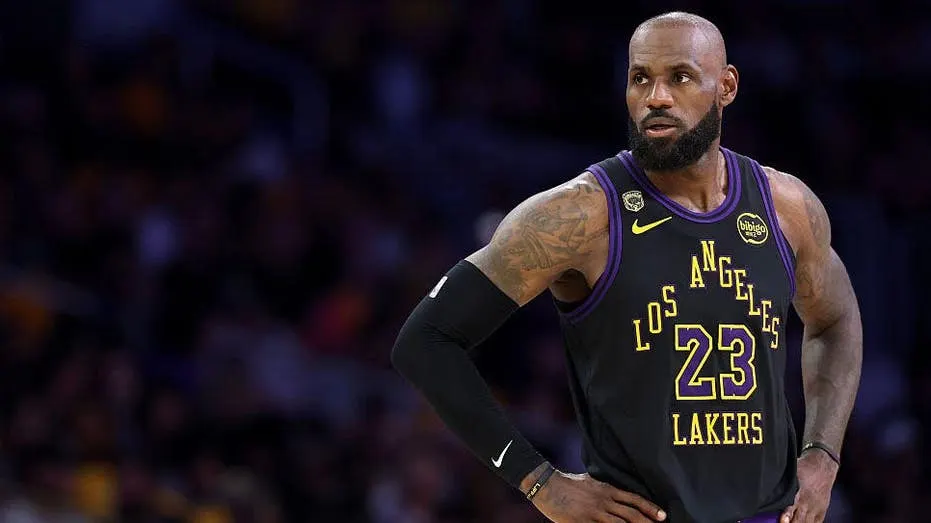
Basketball legend Shaquille O'Neal has pushed back against NBA fans who accuse LeBron James of "ring chasing" after James signed a two-year, $8 million contract with the Philadelphia 76ers. O'Neal's defence comes as James, who will turn 42 in December, faces criticism over his choice of team for what may be one of his final seasons in the league, with detractors suggesting the move is a calculated attempt to boost his championship count rather than a genuine footballing decision.
James already holds four NBA championship rings, won across three different franchises, and O'Neal's argument is that seeking further titles is simply the natural goal of any competitor, not a sign of opportunism. The criticism reflects a wider debate in NBA circles about veteran superstars choosing new teams late in their careers, though the article notes it is easy to see why some view James's switch to Philadelphia as ring-chasing given the timing and his age.
In short
- Shaquille O'Neal defends LeBron James against "ring chasing" claims.
- James signed a two-year, $8m deal with the 76ers.
- James, 42 in December, already has four championship rings.
Steelman: both sides, in good faith
The strongest fair case each way — we don't pick a winner.
The case for
Every elite athlete's fundamental goal is to win championships, and pursuing this objective does not become opportunistic simply because it occurs late in a career. LeBron joining a competitive roster to compete for a title reflects the natural competitive drive that defines great athletes, no different in principle from any free agent seeking to win. Criticising this desire conflates legitimate ambition with something unseemly, when players should be praised for maintaining their competitive standards regardless of age.
The case against
There is a meaningful distinction between competing to win as part of a sustained team commitment and specifically manoeuvring to join already-established championship contenders to accumulate rings late in one's career. At 41, with four championships already won, joining Philadelphia's star-studded roster appears motivated primarily by legacy-building rather than genuine team competition. This approach to championships—engineered rather than earned through long-term organisational commitment—raises legitimate questions about whether such rings carry the same competitive weight as titles built through sustained effort.
Explained simply
LeBron James is one of basketball's greatest players, with four NBA championships won across three different teams during his 21-year career. Now 41 years old, he recently signed with the Philadelphia 76ers, prompting debate about the reasons behind his choice to join a new team so late in his career.
In professional basketball, "ring-chasing" refers to when veteran stars switch teams specifically to pursue another championship rather than for other reasons like improved salary or location preference. Some fans view James's move as ring-chasing, believing he chose Philadelphia because it offers the strongest chance to win another title, rather than from a genuine preference for the team itself.
The situation has raised a broader discussion about how superstar players should conduct themselves in their final years. There is disagreement about whether ambitious veterans pursuing championships is legitimate competition or whether it represents them taking an easier path to success.
Basketball Entertainment Sport TV World