Technology news and discussion on TalkFuse.
Shareholders sue Intel, its CEO and CFO after stock drops 28.6 percent in one day
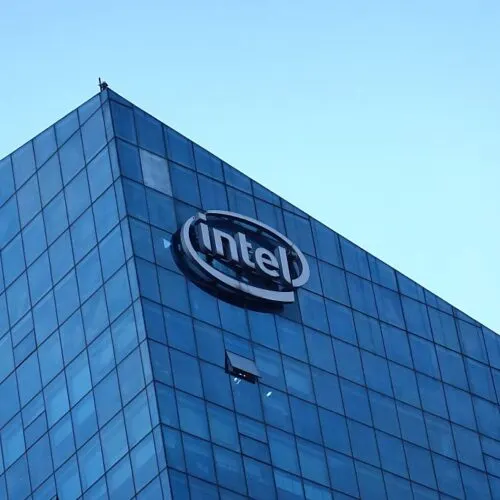
Intel shareholders have filed a proposed class-action lawsuit accusing the company, its chief executive and its finance chief of misleading investors about the effects of falling PC sales and other business pressures. They say statements made from 23 July to 29 October understated risks to Intel’s prospects, before its shares fell sharply after quarterly results.
The complaint was filed in federal court in San Jose by the City of Southfield Fire and Police Retirement System and other shareholders, and seeks unspecified damages and legal costs. Intel’s Client Computing and Physical AI Group revenue fell 5 per cent year on year in the third quarter; the complaint also cites rising PC component prices and substrate supply constraints affecting data centre CPU demand. Intel shares dropped 28.6 per cent on 30 October, their largest single-day fall in more than 50 years, according to the filing; Intel has not publicly commented.
In short
- Shareholders accuse Intel of misleading investors about business risks.
- Intel shares fell 28.6 per cent after quarterly results.
- The proposed class action seeks unspecified damages.
Steelman: both sides, in good faith
The strongest fair case each way — we don't pick a winner.
The case for
Shareholders can argue that Intel’s leaders had a duty to give investors a candid account of risks to sales and supply, and that the sharp fall after results suggests those risks may have been material. If statements during the period understated known pressures, investors may have made decisions on an incomplete picture and deserve a chance to seek compensation.
The case against
Intel and its executives could argue that a steep share-price fall after disappointing results does not itself show that earlier statements were misleading. PC demand, component prices and supply constraints can change quickly, and the company may contend that its statements were reasonable assessments at the time or already disclosed the relevant uncertainties.
Explained simply
Intel is a US chipmaker whose processors are used in many personal computers and data centres. Its business has faced pressure from weaker PC sales, rising component prices and limits on the supply of materials used to make chips.
The lawsuit was brought by shareholders, including a retirement system for police and fire workers in Southfield, Michigan. They accuse Intel and its chief executive and finance chief of giving investors an incomplete picture of those risks in statements made between July and October.
The case is a proposed class action, meaning it could include other investors who bought Intel shares during that period. It will examine whether the company’s statements misled shareholders and whether they are entitled to compensation.
AI Business Companies Markets Technology