She deserves privacy in death… now second museum covers up mummy in woke row which has sparked astonishment across the world
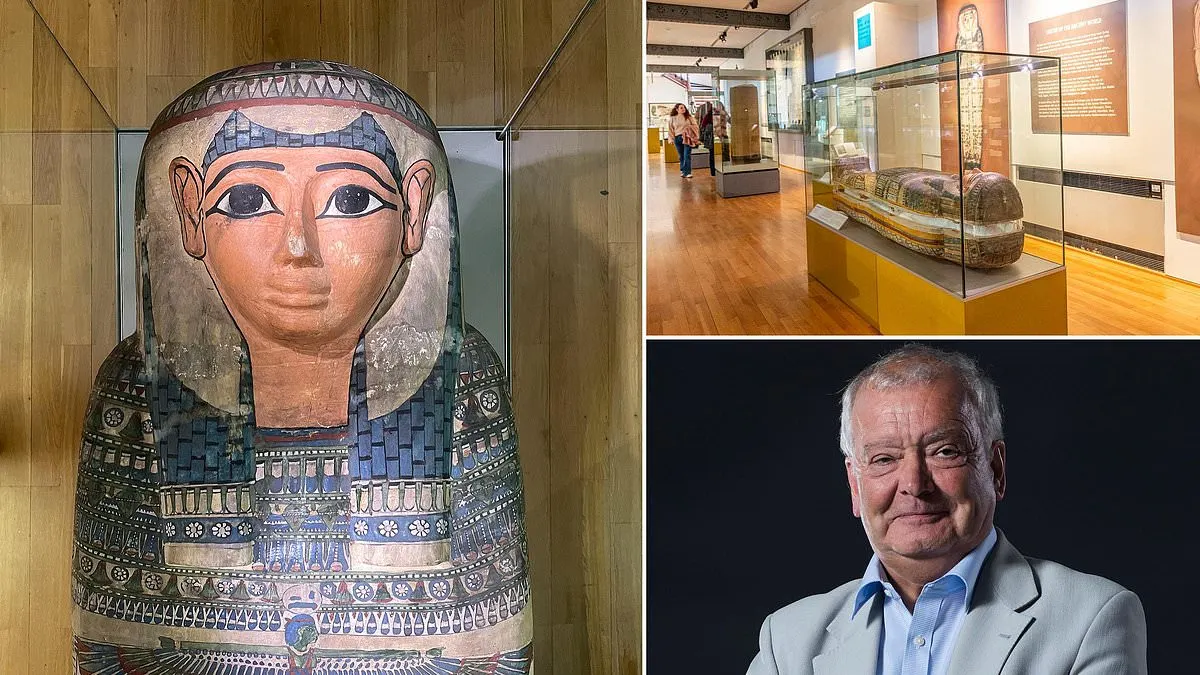
The Hunterian Museum in Glasgow has covered the mummy known as Lady Shep-En-Hor, saying she “deserves privacy in death”, while keeping her sarcophagus on display. The decision follows Glasgow Life’s removal of several Egyptian human remains from Kelvingrove, prompting debate about museum ethics and how to present collections.
Lady Shep-En-Hor has been in the Hunterian’s collection since about 1820 and is believed to have lived more than 2,000 years ago. Kelvingrove’s removed items include a painted coffin, a mummified head, hand and foot; Glasgow Life says they are held in specialist storage. Historian Sir Tom Devine supports respectful display, while National Museums Scotland says it has no current plans to remove its human remains.
In short
- The Hunterian has covered Lady Shep-En-Hor’s mummy.
- Her sarcophagus remains on display.
- Glasgow Life has moved several Egyptian remains into storage.
Steelman: both sides, in good faith
The strongest fair case each way — we don't pick a winner.
The case for
Covering the mummy while retaining the sarcophagus may acknowledge that a person’s body is not simply an object for public viewing, especially when the person could not consent to display. Museums can still explain the history and significance of the collection while giving greater weight to dignity, cultural sensitivities and the views of communities connected to the remains.
The case against
Keeping human remains visible can support public understanding of ancient lives, burial practices and the history of collecting, provided they are presented with care and context. Removing or covering them may limit that educational value, and decisions made without clear, consistent principles or meaningful consultation can leave museums uncertain about how to balance respect, scholarship and public access.
Explained simply
Ancient Egyptian mummies and coffins entered British museum collections largely during the 19th century, when European travellers and collectors brought artefacts back from Egypt. The remains are people who lived thousands of years ago, and museums now face questions about how they should be shown and cared for.
Museums make their own decisions about displaying human remains, taking account of their collections, visitors and ethical views. Some keep remains on view, while others store them or cover them and display the coffin instead.
The debate matters because it brings together the study of ancient history and respect for the dead, as well as questions about how objects came to be in UK collections. Museums across the country may approach those questions differently.