Entertainment news and discussion on TalkFuse.
“She is incredible”: the 1970s actor who can do no wrong, according to Rachel Brosnahan
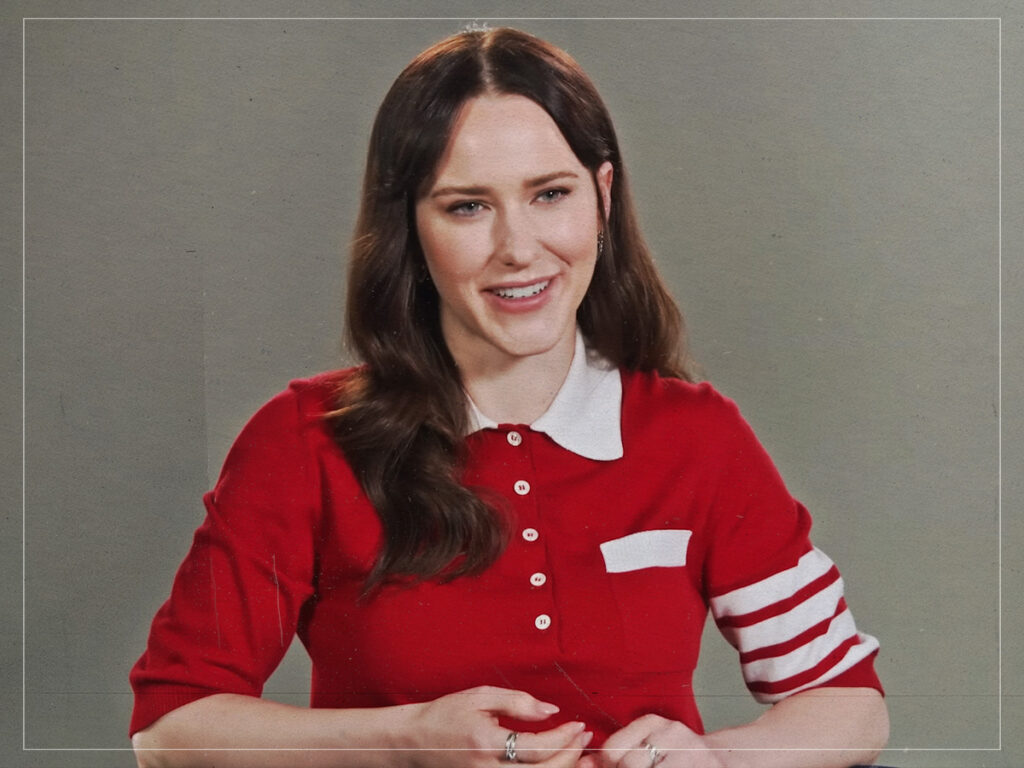
During a 2020 interview promoting her crime thriller role, actress Rachel Brosnahan identified Diane Keaton's 1970s performances—particularly her work in The Godfather—as formative to her own acting approach. Brosnahan praised Keaton's ability to command attention within traditionally male-dominated narratives and cited her as an enduring professional inspiration.
Keaton built a six-decade career marked by transformative roles across drama and comedy, including her Oscar-winning performance opposite Woody Allen in Annie Hall. Her portrayal of Kay Adams across three Godfather instalments showcased her talent for conveying emotional complexity amid intense narrative circumstances. Following her 2025 death at 79, tributes from across the entertainment industry underscored how thoroughly Keaton shaped the craft for subsequent generations of performers.
In short
- Brosnahan cited 1970s actress Diane Keaton as a key influence when discussing her 2020 film performance
- Keaton's decades-long career, marked by roles in The Godfather trilogy and Annie Hall, established her as a touchstone for aspiring actors
- Following Keaton's death in 2025, her legacy remains evident in how contemporary performers reference her work
Explained simply
Diane Keaton was an American actress whose six-decade career encompassed both drama and comedy, establishing her as one of Hollywood's most respected performers. She is best known for her Academy Award-winning role opposite Woody Allen in Annie Hall and for her sustained presence across The Godfather trilogy, where she portrayed Kay Adams with considerable emotional depth. Her performances in the 1970s proved particularly influential for how subsequent actors approached complex female characters.
Keaton's work demonstrated that female actors could command attention within major narratives, often those dominated by male characters and male directors. She brought authenticity and psychological complexity to her roles, refusing to settle for conventional character types. This approach expanded what actors understood to be possible in their own work and what they might demand from scripts and directors.
Her influence on subsequent generations of performers has been substantial and widely acknowledged within the industry. Actors who came after consistently cited Keaton's body of work as formative to their own approach to character and craft. The respect with which she is regarded testifies to how fundamentally she transformed what screen acting could be.