World news and discussion on TalkFuse.
Jilly Cooper faces fresh plagiarism allegations over earlier novels
Developing story first seen 4 hours ago
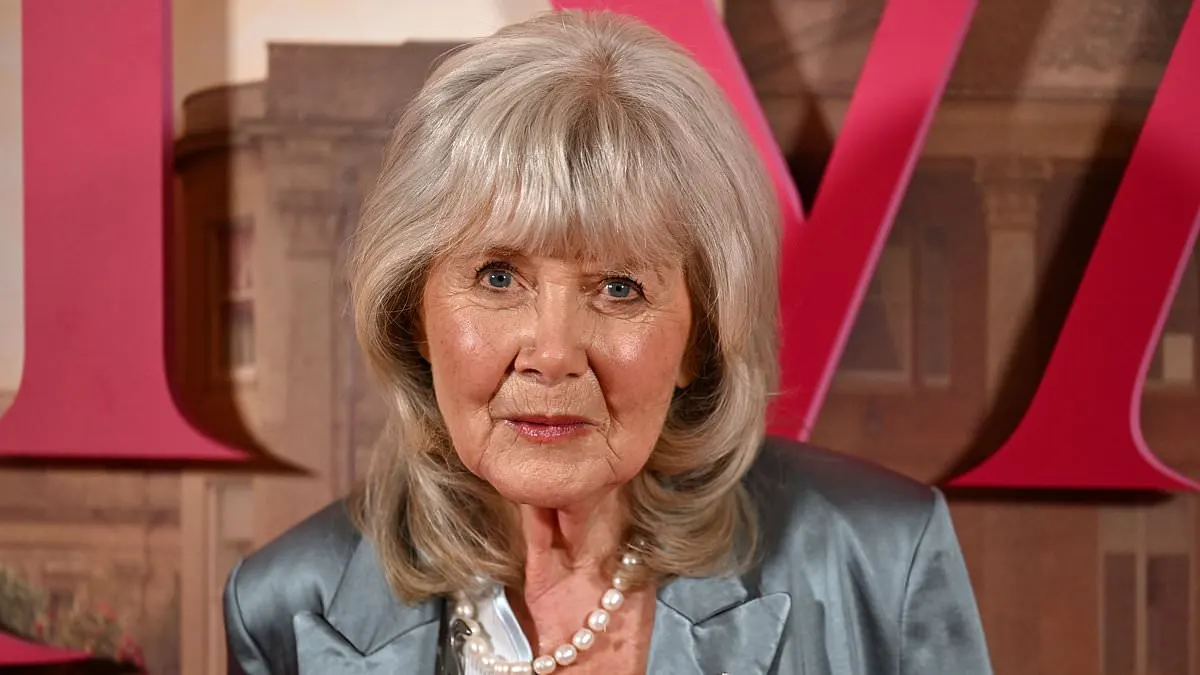
New reporting has identified further alleged similarities between Dame Jilly Cooper’s novel *Prudence* and Josephine Tey’s *The Franchise Affair*, adding to claims that passages were copied from Cyra McFadden’s *The Serial*. The allegations have renewed calls to scrutinise Cooper’s work and raised questions about the origins of books that remain widely read.
An analysis found 35 passages in *Prudence* that allegedly echo *The Serial*, published ten months earlier, including dialogue and details of food served at parties. McFadden’s daughter, Caroline, said she was considering legal options and called for a full audit of Cooper’s work. Cooper had previously said she read *The Serial*; her books have sold more than 11 million copies in Britain.
- Sources
- 2
- Outlets
- 2
- Left · Centre · Right
- 1 · 0 · 1
In short
- New claims link *Prudence* to Josephine Tey’s *The Franchise Affair*.
- An analysis found 35 passages echoing Cyra McFadden’s *The Serial*.
- McFadden’s daughter is considering legal options.
How this story developed
- 1 hour ago A further investigation brought the Tey comparison into the same set of claims, reporting alleged similarities with both authors’ novels and reiterating that McFadden’s daughter was considering legal options.
- 2 hours ago New reporting alleged that Dame Jilly Cooper’s novel Prudence echoed Josephine Tey’s The Franchise Affair as well as Cyra McFadden’s The Serial, prompting calls for a wider review of Cooper’s work.
Full account
Fresh plagiarism allegations have been made against the late Dame Jilly Cooper, whose 1978 novel Prudence is said to contain passages resembling work by two other novelists. An analysis reported by the Observer identified similarities with The Serial, by American writer Cyra McFadden, and The Franchise Affair, a 1948 mystery by Josephine Tey. The claims have not been established as fact.
The Observer’s investigation reportedly identified at least 35 passages in Prudence that echo The Serial, which appeared as a newspaper serial before its book publication in May 1977. Reported examples include dialogue about an open relationship and a former husband who wanted his jockey shorts ironed, as well as advice to leave a nine-to-five job and connect with the universe. The reports also point to similarities in a party scene and in the character of Berenice, an American feminist in Cooper’s novel.
Caroline McFadden, Cyra McFadden’s daughter, said she was considering legal options and called for Cooper’s wider body of work to be examined. She argued that the similarities could not be dismissed as an innocent mistake. Cooper died in October 2025; her books have sold more than 11 million copies in Britain, and Disney+ is currently showing a second series of Rivals, adapted from her Rutshire Chronicles.
The allegations have prompted scrutiny of a celebrated literary career, but the reports place different emphasis on the story. One foregrounds the impact on Cooper’s reputation and the tributes paid to her after her death, while the other focuses on the reported textual comparisons and McFadden’s possible legal response. They also describe the evidence differently: one says the Observer detailed 15 passages from The Serial despite identifying 35 in total, and the other gives the total as 35. Both mention The Franchise Affair, though the supplied reports provide fewer details about those alleged similarities than about The Serial.
Where outlets differ
From the full account, which is AI-written from the sources:
The first report stresses Cooper’s reputation, posthumous tributes and the continuing popularity of her work, including Rivals. The second concentrates on the Observer’s comparison of passages and Caroline McFadden’s possible legal action.
The first says an analysis found 35 separate passages echoing The Serial. The second says at least 35 were identified, while noting that the Observer detailed 15 in its investigation.
Both reports mention alleged similarities with Josephine Tey’s The Franchise Affair, but the second source excerpt ends before giving its examples or further detail.
Left-leaning outlets 1
Only here: rivals, author, accused, extensive, deliberate
Right-leaning outlets 1
Only here: faces, fresh, allegations, earlier, novels
Every side used: jilly, cooper, plagiarism
Headline columns compared word for word; nothing in them is AI-written.
Steelman: both sides, in good faith
The strongest fair case each way — we don't pick a winner.
The case for
The reported similarities, including numerous passages resembling a recently published novel, give reason to investigate whether *Prudence* used other writers’ work without adequate acknowledgement. A wider review could help establish what happened, recognise any harm to the authors and their families, and uphold standards of attribution even when the book remains popular.
The case against
Similarities alone do not establish plagiarism: familiar themes, genre conventions, or coincidence may account for some parallels, and the reported analysis is an accusation rather than a legal finding. Cooper’s acknowledged familiarity with *The Serial* makes careful comparison and context important; any broader examination should distinguish demonstrable copying from resemblance before drawing conclusions about her work.
Explained simply
Jilly Cooper was a British novelist whose books about wealthy, glamorous people and their romantic lives became widely read. Her 1980s and 1990s novels, including Rivals, helped earn her the label “Queen of Bonkbusters”; Prudence was published earlier, in 1978.
The authors named in the claims are Cyra McFadden, whose novel The Serial appeared in 1977, and Josephine Tey, a crime writer whose The Franchise Affair was published in 1948. Questions about similarities between books can involve whether passages were borrowed, how influence is assessed and what evidence supports a claim.
Cooper’s books have sold more than 11 million copies in Britain, so the allegations may affect how readers and publishers view a substantial body of popular fiction. They also raise broader questions about attribution and how authors’ work is checked.
Coverage · 2 sources
Bias meters
From 2 rated sources.
Read the full article at the source →
Originally published by Daily Mail as “‘She stole from my mother’: Dame Jilly Cooper accused of plagiarism before she launched to fame as the ‘Queen of Bonkbusters’ with Rivals”.