News, events and chat from Sheffield and South Yorkshire.
Sheffield gunman fled to Scotland in taxi after shooting 16-year-old boy in head at point-blank range
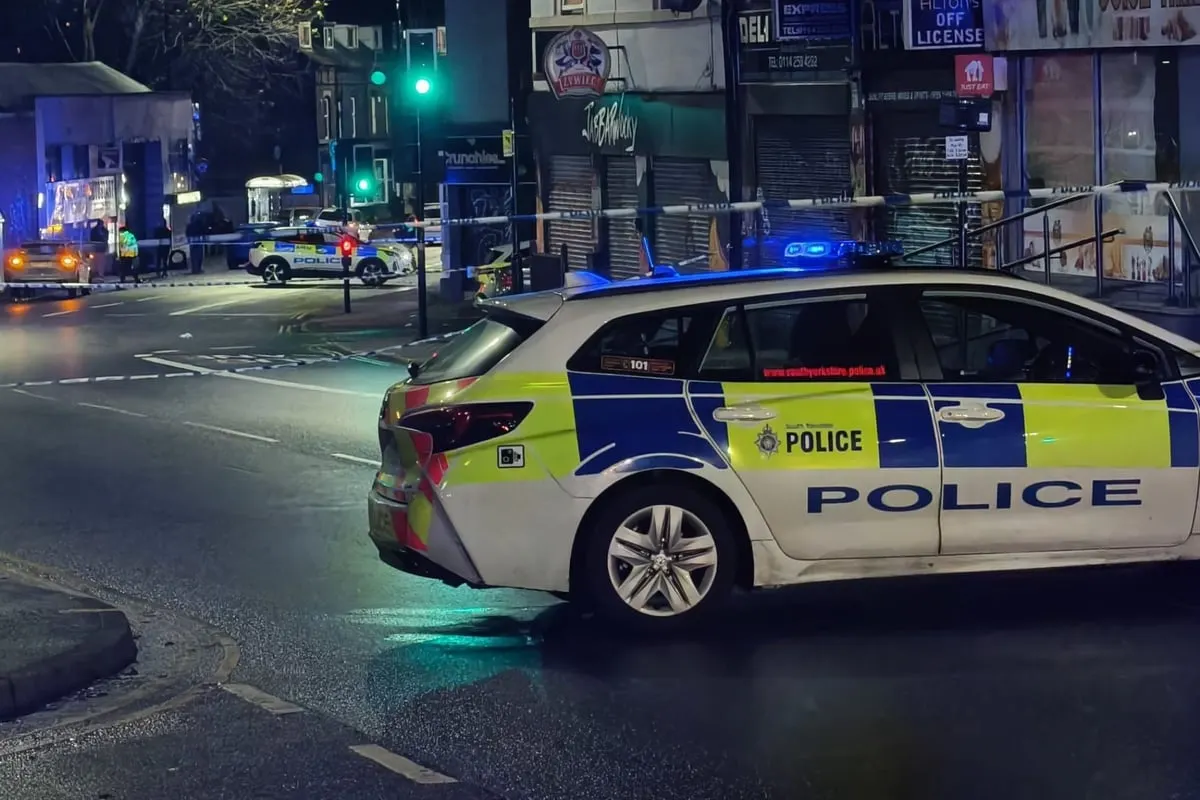
A teenage boy suffered a point-blank gunshot wound to the head during a brief confrontation on a Sheffield city street in November, though he miraculously survived the injury. The incident left him with severe brain trauma that has prevented him from cooperating with police investigators. The exact circumstances that sparked the altercation and led to the shooting remain unclear, with witnesses and prosecutors unable to establish a clear motive for the violence.
The suspected shooter and his girlfriend abandoned Sheffield within hours of the incident, taking a taxi first to Stockport and then continuing to Aberdeen, Scotland. Both were arrested by authorities within six days of the shooting. The suspect now stands trial on an attempted murder charge which he denies, while his companion faces accusations of helping him evade police. Prosecutors have presented CCTV evidence from the scene and argued that discharging a weapon directly into someone's head at close range could only indicate intent to kill.
In short
- A 26-year-old man shot a 16-year-old in the head during a street altercation in Sheffield; the victim survived with extensive brain injuries
- The shooter and his girlfriend fled to Scotland by taxi and were arrested in Aberdeen within six days
- The motive remains unexplained despite CCTV footage and police investigation
Steelman: both sides, in good faith
The strongest fair case each way — we don't pick a winner.
The case for
A point-blank gunshot wound to the head is inherently an act of lethal intent, and no reasonable person would discharge a firearm directly into someone's head except to kill them. The method itself establishes the guilty mind required for attempted murder.
The case against
Criminal law properly distinguishes between the dangerousness of an act and the defendant's specific intent to kill. Even a point-blank head shot does not automatically prove intent to kill – the mental state must be proven separately, and a person might act recklessly or with intent to wound rather than to kill. The seriousness of the action does not relieve the prosecution of proving the specific intent required for attempted murder.
Explained simply
Sheffield is a city in northern England, and attempted murder is a serious criminal charge alleging that someone intended to kill but the victim survived. In a trial, prosecutors present evidence to support the charge, while the accused can challenge that evidence; a charge is not proof of guilt.
The case also involves a second accused person, who is alleged to have helped the suspect avoid police. The boy’s brain injuries have limited his ability to assist investigators, and the reason for the confrontation has not been established.