Shigeru Miyamoto admits Nintendo’s been pumping out “a lot of remakes” as Ocarina of Time approaches, but says most people stopped playing the original games within 5 years anyway
Developed over time first seen 3 months ago
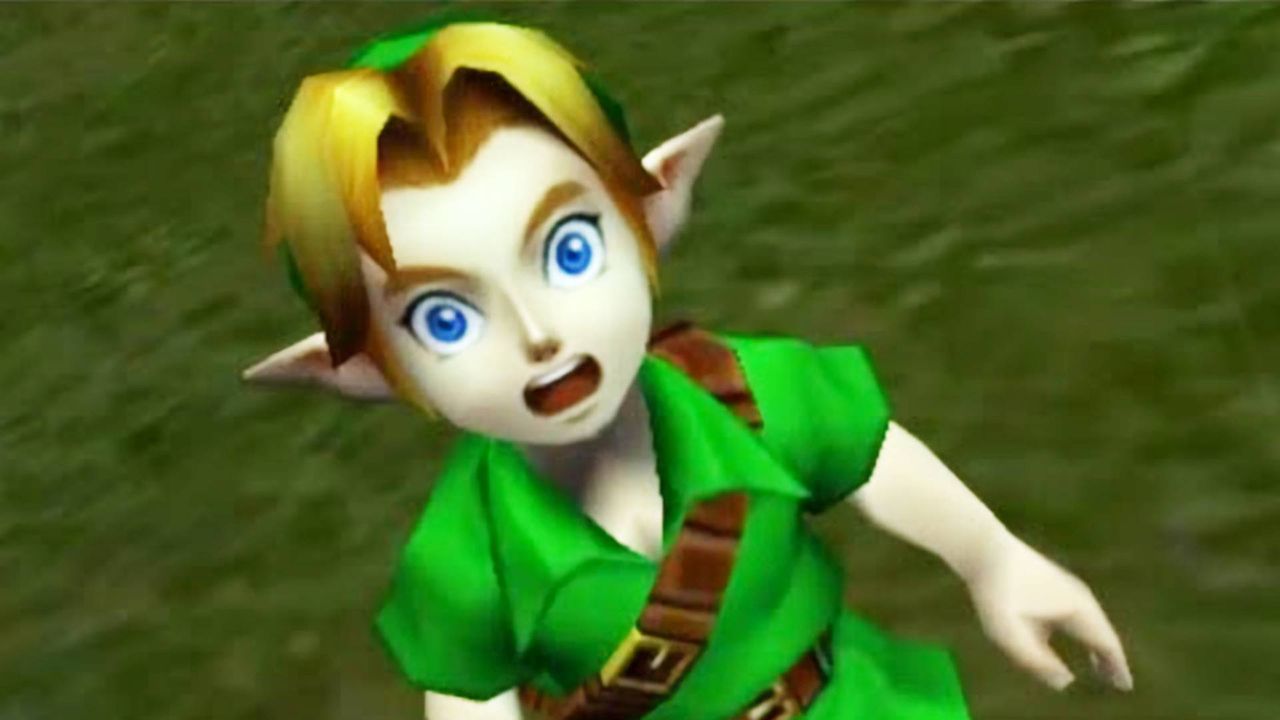
Nintendo's Shigeru Miyamoto has defended the company's heavy reliance on remakes and remasters, arguing that most players stop engaging with a game within about five years, so revisiting older titles is a practical way to keep classics accessible to new audiences rather than letting them fade into obscurity. The comments come as Nintendo continues its steady stream of reworked releases, with a remake of The Legend of Zelda: Ocarina of Time reportedly in development, and follow similar treatment for franchises such as Star Fox. His remarks matter because they offer a rare direct rationale from Nintendo's most influential creative figure for a strategy that has drawn mixed reactions from long-time fans who see it as a substitute for original output.
Miyamoto's central argument is that remakes primarily serve younger players who missed the original releases, framing the approach as preservation rather than repetition. However, the justification has been questioned by observers, who argue that a blanket five-year cutoff oversimplifies how differently audiences actually engage with games over time, and that it may understate the extent to which Nintendo now leans on its back catalogue rather than new projects. No further developments or an official rebuttal have since emerged, leaving Miyamoto's comments as Nintendo's standing explanation for its remake-heavy release strategy.
- Sources
- 2
- Outlets
- 2
- Left · Centre · Right
- 0 · 0 · 0
In short
- Miyamoto defends Nintendo's remake strategy ahead of an Ocarina of Time remake.
- He claims players typically abandon games within five years.
- Critics say the five-year rationale oversimplifies player engagement patterns.
How this story developed
- 3 months ago Nintendo's creative leadership has acknowledged the company's substantial focus on remaking past titles, framing this approach as a rational response to how quickly player bases typically move away from released software.
- 3 months ago Nintendo's Shigeru Miyamoto has defended the company's heavy reliance on remakes and remasters, arguing that most players stop engaging with a game within about five years, so revisiting older titles is a practical way to keep classics accessible to new audiences rather than letting them fade into obscurity.
Steelman: both sides, in good faith
The strongest fair case each way — we don't pick a winner.
The case for
Nintendo's strategy of remaking older games serves genuine creative and commercial purposes. By revitalising classics for new audiences who lack access to original hardware or who weren't born when these games originally released, remakes ensure that influential and beloved games remain playable and relevant rather than becoming inaccessible relics. Given that Miyamoto's observation about player engagement patterns has merit—most games do see declining activity after their initial years—remakes represent a practical way to generate value from proven, artistically significant properties whilst freeing resources for other projects, particularly when original game sales drop substantially.
The case against
Whilst preservation has merit, Nintendo's heavy remake output raises legitimate concerns about prioritisation and innovation. Original games remain accessible through various means including digital stores, backwards compatibility, and emulation, so preservation alone cannot justify the frequency of remakes. The five-year engagement metric oversimplifies reality; many games maintain vibrant communities, competitive scenes, and cultural relevance far beyond that window. More fundamentally, a strategy focused on remakes risks substituting nostalgia-driven profits for genuine creative risk-taking, potentially signalling either resource constraints limiting new IP development or a troubling corporate preference for guaranteed returns over artistic innovation that benefits players seeking fresh experiences.
Explained simply
Nintendo has long relied on remaking and re-releasing its classic games, from Super Mario to Zelda titles, rather than only producing new instalments. Shigeru Miyamoto, the company's veteran creative figurehead behind franchises like Mario, Zelda and Star Fox, has now spoken publicly about why this approach makes sense to him, tying it to how long players typically stick with any given game.
One of Nintendo's most anticipated upcoming projects is a remake of The Legend of Zelda: Ocarina of Time, a 1998 game widely regarded as one of the most influential titles in the medium's history. Remakes like this are aimed partly at newer, often younger players who never experienced the originals, allowing them to access older Nintendo classics in updated form.
Miyamoto's comments matter because they offer a rare glimpse into the thinking behind one of the games industry's biggest companies as it balances nostalgia, new audiences and commercial strategy, at a time when remakes and remasters have become an increasingly prominent part of how major publishers sustain their back catalogues.