Entertainment news and discussion on TalkFuse.
Shigeru Miyamoto thinks people don’t care about console specs that much anymore, believes Nintendo instead provides “gameplay that only we can create”
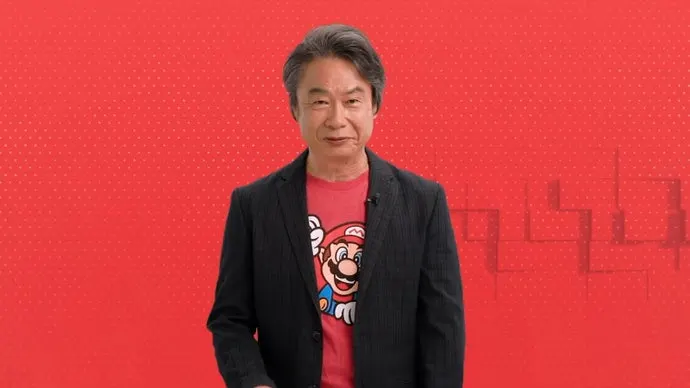
In a new interview, Nintendo's Shigeru Miyamoto has said he believes consumers no longer prioritise raw specifications when choosing gaming hardware, arguing that Nintendo's strength lies in offering "gameplay that only we can create" rather than chasing the most powerful graphics. His comments come as the Switch 2 becomes one of the fastest-selling consoles in history and the original Switch family is discontinued in Europe, prompting reflection on Nintendo's approach compared with rivals Sony and Microsoft, who face rising costs and hardware pressures ahead of their next console generation.
Speaking to Japanese magazine Famitsu, as reported by Nintendo Everything, Miyamoto said he was pleased the original Switch lasted eight to nine years and suggested the ideal model is one where customers can play purchased software on whatever device they already own. He highlighted the benefit of Nintendo developing for a single hardware architecture rather than multiple platforms, contrasted this with the fragmentation of smartphone gaming, and stressed that streamlining development processes remains a priority for the company.
In short
- Miyamoto says gamers now value unique gameplay over console specs
- Comments follow Switch 2's rapid sales and Switch 1's European discontinuation
- Nintendo's single-architecture approach contrasts with Sony and Microsoft's struggles
Steelman: both sides, in good faith
The strongest fair case each way — we don't pick a winner.
The case for
Miyamoto's position reflects the Switch's undeniable commercial success—over 200 million units sold on hardware that was technically underpowered compared to competitors, suggesting consumers prioritise gameplay innovation, exclusive experiences, and accessible design over raw specifications. Nintendo's exclusive franchises and hybrid form factor created possibilities unique to the platform, demonstrating that creative gameplay design can outweigh raw processing power. The extended eight-to-nine-year hardware lifecycle has also proven sustainable for both company and consumers.
The case against
Whilst the Switch succeeded, competitors' PS5 and Xbox Series X consoles have sold tens of millions each, indicating consumers clearly value cutting-edge specifications. Many developers and genres require greater processing power to realise ambitious creative visions, and the Switch's technical limitations restrict what can be developed for it. Furthermore, Nintendo's success owes substantially to existing intellectual property and the novelty of hybrid portable gaming rather than proving that specifications are universally unimportant across all gaming contexts and consumer preferences.
Explained simply
Shigeru Miyamoto is one of the world's most renowned video game designers and a leading figure at Nintendo, a company known for prioritising creative gameplay over raw technical power. Gaming console manufacturers typically compete in two ways: by offering the most powerful hardware with the best graphics, or by providing the most innovative and distinctive games. Nintendo has long followed the second approach, creating experiences that competitors cannot easily replicate.
This strategy has proven highly successful with the Switch, Nintendo's hybrid device that combines home and portable gaming, which remained popular for eight to nine years before being discontinued in Europe. The Switch 2, its successor, is already becoming one of the fastest-selling consoles in history. Meanwhile, Sony and Microsoft, who compete primarily on hardware power, are facing mounting costs and challenges as they prepare their next generation of consoles.
Nintendo's approach differs fundamentally from its rivals because the company develops games for a single piece of hardware rather than spreading resources across multiple platforms. By focusing development on one device, the company can create unique gameplay experiences that would be impractical for competitors juggling different systems. This strategy of prioritising distinctive games over technical specifications has become central to how Nintendo competes in the gaming market.