Reading container housing site faces complaints over antisocial behaviour and trespassing
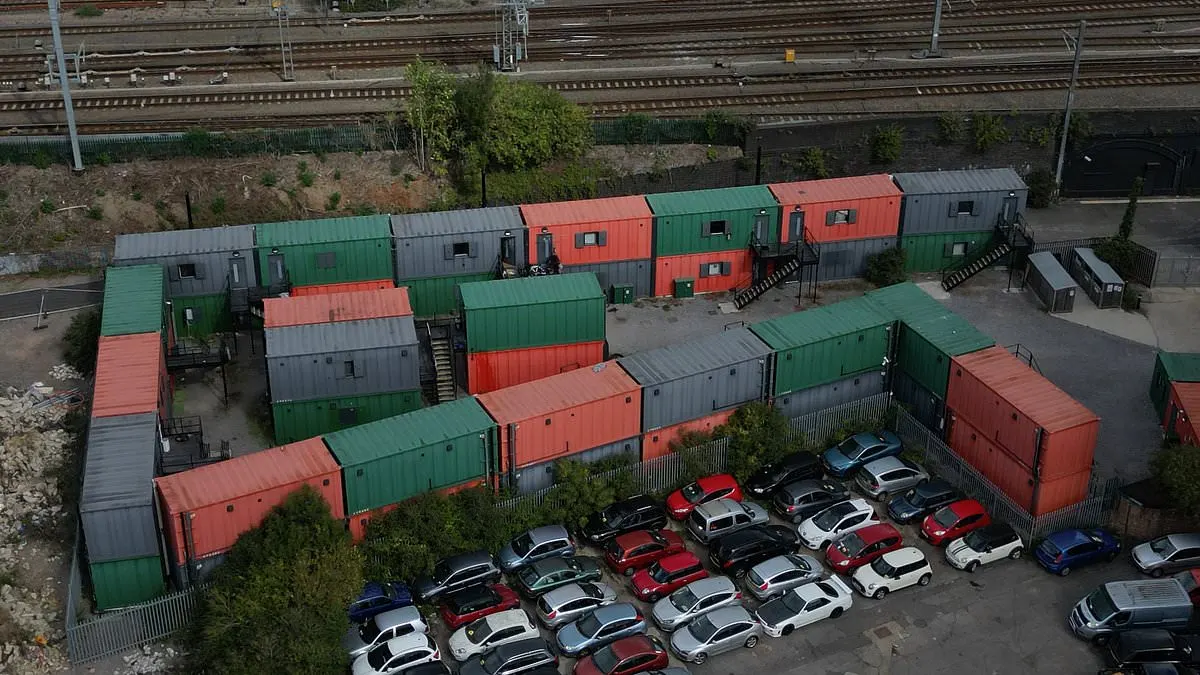
A shipping container accommodation site designed to house homeless people in Reading, which was originally praised as an innovative solution when it opened in 2021, has become plagued by anti-social behaviour and complaints from both residents and neighbouring property owners. What was hailed as a "dream for all homeless people" has deteriorated significantly over five years, with issues now threatening the site's future as neighbours push back against plans to extend its planning permission.
The site, which houses individuals supported by Reading Borough Council, Launchpad and St Mungos, has been beset by drug use, theft, noise at unsociable hours and trespassing on neighbouring properties valued at up to £500,000. Residents of the pods have reported threatening behaviour, whilst some living in the accommodation have said they would prefer to return to the streets. The containers were originally granted temporary five-year planning permission, with the council now seeking to extend it by 18 months, but residents and property owners are mounting objections citing safety concerns, rubbish accumulation and disruption to their lives.
- Homeless accommodation praised in 2021 now facing complaints about anti-social behaviour and drug use
- Neighbours report trespassing, theft and threatening incidents at the five-year-old Reading site
- Council seeks 18-month extension to planning permission amid fierce local opposition
New here? Start with this
Reading opened a container housing site in 2021, managed by Reading Borough Council alongside support organisations, to provide accommodation for homeless people. It was initially praised as an innovative approach to addressing homelessness.
The site has experienced substantial problems including drug use, theft, noise and trespassing on neighbouring properties. Both residents living in the containers and neighbouring property owners have reported concerns, with some residents saying they would prefer to live on the streets.
The original planning permission was temporary, lasting five years. Now that period is ending, putting the site's future in question as local residents and property owners raise safety and quality-of-life concerns.
Both sides, in good faith
The strongest fair case each way — we don't pick a winner.
The case for
The site represents a crucial intervention for vulnerable people who would otherwise have nowhere to go, and the problems it faces stem not from container housing itself but from inadequate support services, mental health provision and addiction treatment. Rather than abandon those experiencing homelessness, the proper response is to invest in on-site support infrastructure, strengthen management, and ensure the facility works as intended—recognising that people deserve shelter with dignity regardless of their circumstances, and that anti-social behaviour, whilst serious, is addressable through proper resourcing.
The case against
The facility's deterioration over five years demonstrates that the current model is failing not only residents of the pods themselves—some of whom say they would prefer the streets—but also neighbouring property owners who face theft, trespassing, drug use and safety concerns in their own homes. Communities and individuals have legitimate rights to peaceful enjoyment of their properties and neighbourhoods; the question is whether concentrating vulnerable people in this location without adequate support infrastructure serves anyone well, and whether alternative approaches better serving both homeless populations and existing communities warrant serious consideration.
Read the full article at the source →
Originally published by Daily Mail as “Shipping container village hailed as a ‘dream for all homeless people’ is making life a ‘living hell’ for neighbours – who claim residents are trespassing on their £500,000 properties and women are too scared to go out alone”.