World news and discussion on TalkFuse.
Shocking number of homeowners forced to slash prices as buyers ‘head for the hills’
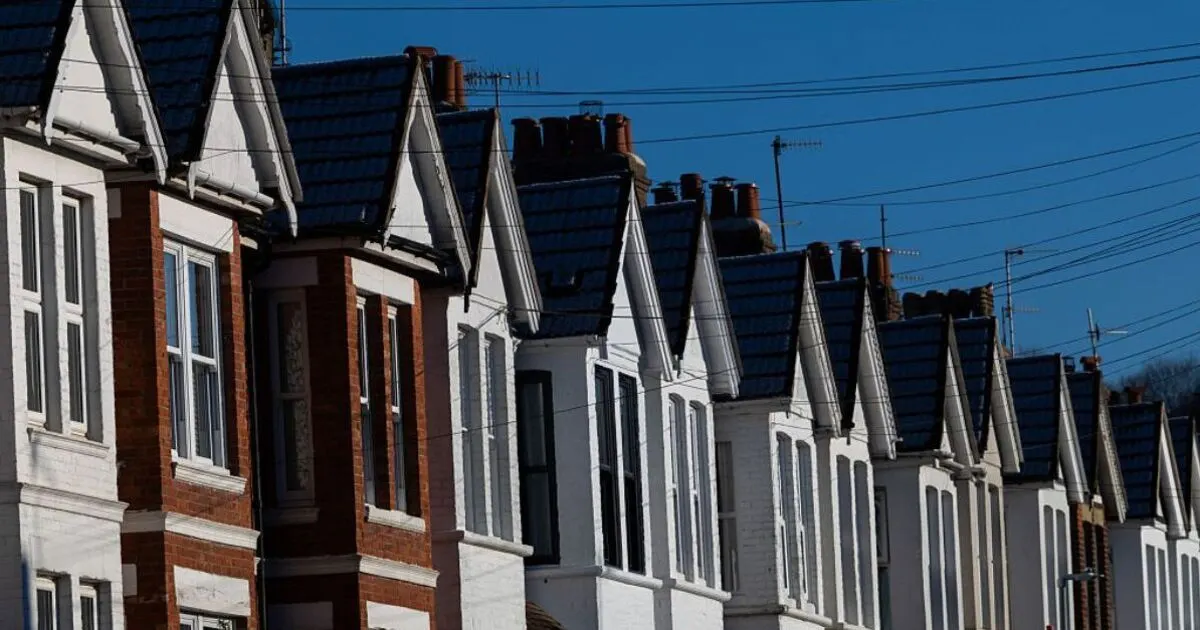
More than a third of homes sold subject to contract in Britain’s major cities had previously had their asking price cut, reflecting a subdued market in which buyers are wary of borrowing costs. The figures point to sellers having to adjust expectations, while experts disagree on the longer-term outlook for house prices.
Rightmove found that more than 3,000 properties a day had price reductions in September, averaging nearly 7% or about £21,000. GetAgent put the share of agreed sales involving a reduction at 34.4%, rising above half in Bournemouth; homes needing a cut took an average of 119 days to find a buyer, against 39 days for those sold without one. Savills expects mortgage rates to remain above 5% into 2028 but forecasts house prices to rise 15.8% by 2031.
In short
- 34.4% of agreed city home sales followed an asking-price cut.
- September saw over 3,000 daily reductions, averaging about £21,000.
- Savills forecasts house prices to rise 15.8% by 2031.
Steelman: both sides, in good faith
The strongest fair case each way — we don't pick a winner.
The case for
Price reductions and longer selling times suggest many buyers are cautious about taking on mortgages while borrowing costs remain high. Sellers may need to lower expectations to meet what households can afford, and continued rate pressure could constrain demand and house prices.
The case against
The figures also show that homes are still finding buyers, and a price cut can reflect a seller correcting an ambitious asking price rather than a broad collapse in demand. Savills expects prices to rise over the longer term, while limited affordability and supply could support values once buyers adjust to higher borrowing costs.
Explained simply
When a seller puts a home on the market, the asking price is the amount they hope to receive; it can be changed if buyers do not come forward. A sale “subject to contract” is one where the buyer and seller have agreed a price, but the legal process is still under way.
Mortgage costs affect how much many buyers can afford to borrow, while sellers’ expectations also shape prices. Estate agents and property firms track changes in asking prices, agreed sales and the time homes take to sell to assess how the housing market is performing.
The figures relate to Britain’s major cities, where local markets can differ. Longer-term forecasts are estimates, and firms may reach different conclusions about how prices will change.