Politics news and discussion on TalkFuse.
Shocking percentage of Democrats identify as ‘democratic socialists’ according to new poll: ‘Toxic policies’
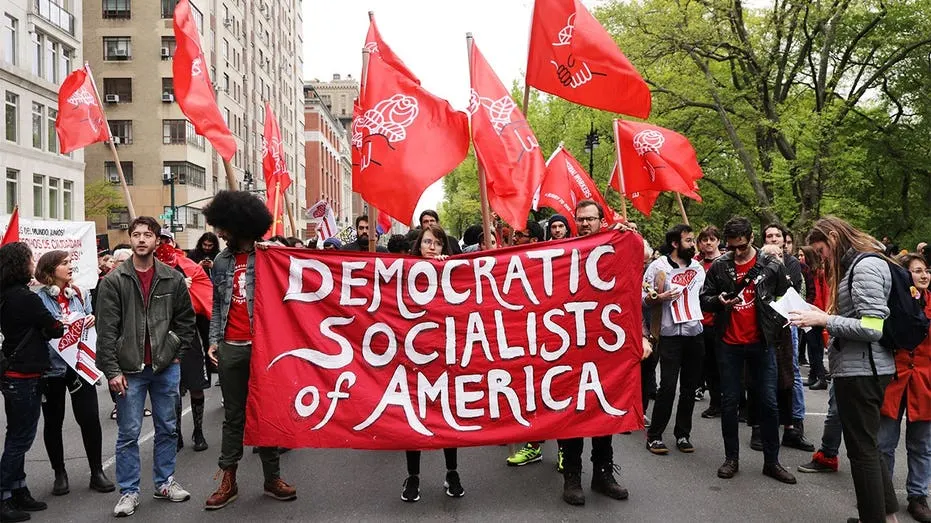
A CNN poll cited by Fox News found that 34% of Democratic or Democratic-leaning respondents describe themselves as democratic socialists, prompting renewed debate about the influence of the left within the Democratic Party. Fox News presents the finding as evidence that the Democratic Socialists of America and similar groups are becoming more prominent, while critics quoted in the article characterise their policies as harmful.
The reported figure equates to roughly one in three Democratic-leaning adults and 15% of all respondents. The article frames the trend as a shift from what it calls formerly fringe political movements towards a larger role in national Democratic politics, though identifying with democratic socialism does not necessarily indicate support for every policy or organisation associated with that label.
In short
- One-third of Democratic-leaning respondents identify as democratic socialists.
- Fox News says the result signals growing left-wing influence.
- Critics dispute the policy implications of the trend.
Steelman: both sides, in good faith
The strongest fair case each way — we don't pick a winner.
The case for
Growing identification with democratic socialism among Democratic voters represents a genuine ideological shift toward more expansive state economic intervention and control of markets. When one-third of Democratic-leaning respondents adopt this label, it signals that ideas once considered fringe have moved into the mainstream of Democratic thinking, likely to influence party policy on taxation, regulation, and government's role in the economy. This trend merits serious attention, as it may alienate moderate swing voters and reflect a meaningful departure from the centrist positions that have historically strengthened the party's electoral appeal.
The case against
Self-identification with a political label does not reliably measure actual policy preferences, and 'democratic socialism' remains an ill-defined term that different respondents interpret in vastly different ways. Many of the 34% may simply be expressing support for stronger social safety nets and economic fairness rather than endorsing state ownership of industry or radical economic restructuring. Without detailed questioning about the specific policies these voters actually support, the polling figure provides limited insight into whether Democratic voters have genuinely shifted toward more radical economics, and risks conflating cultural identity with substantive ideological change.
Explained simply
In the United States, the Democratic Party is one of the country’s two major political parties. Democratic-leaning people are those who identify with the party or tend to support it, even if they are not formal members.
Democratic socialism is a broad political label, generally linked to using democratic government to expand public services and reduce economic inequality. People who use the label may disagree about what it means in practice, and it does not by itself show support for a particular group or policy.
The Democratic Socialists of America is a political organisation that promotes democratic socialist ideas and campaigns on issues such as healthcare and workers’ rights. The label’s presence in a major party matters because it can shape debates over the party’s priorities and the candidates it supports.