Politics news and discussion on TalkFuse.
Shopkeepers will need a licence to sell butter knives and could face prosecution in new government crackdown
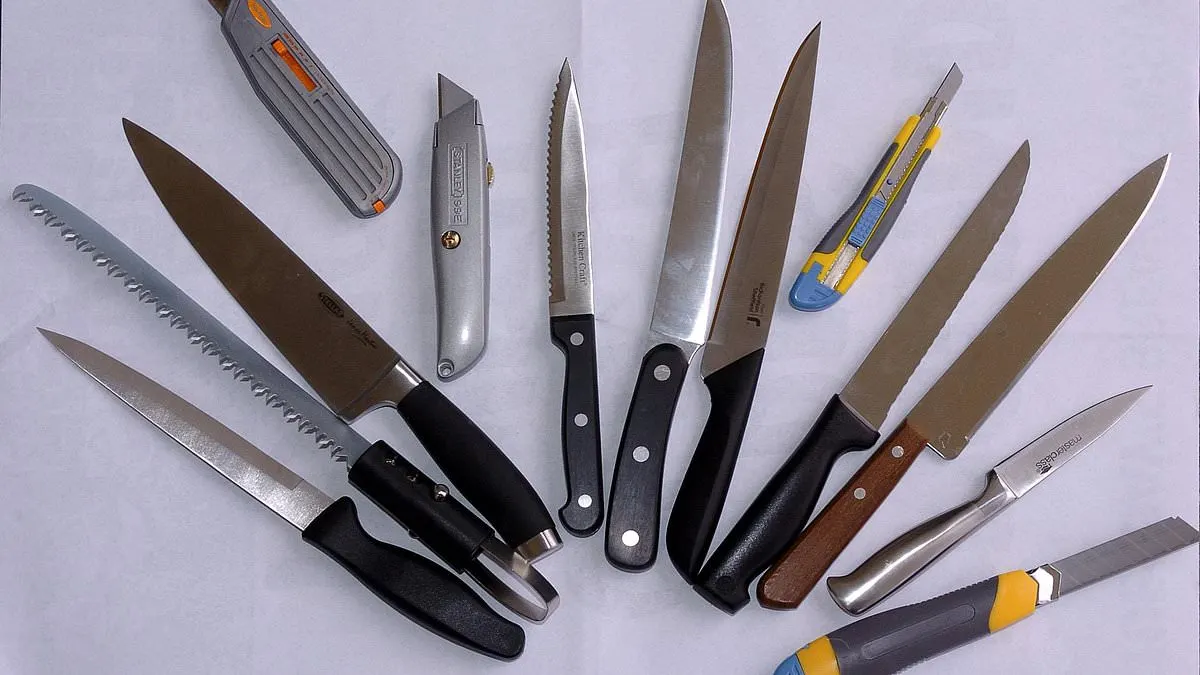
The Government plans to require anyone selling knives in England and Wales to obtain a police licence, as part of its effort to reduce knife crime. The proposed scheme would cover ordinary items such as butter and kitchen knives as well as weapons, aiming to curb sales by unregulated sellers, including to children.
Licences would last three years and could be refused after criminal-record checks or premises inspections, and revoked if sellers broke the rules. A fee would be charged, though its amount has not been set; the Government is also considering exemptions for heritage collections, crafts and trades, and a licensing system for imports. The plans follow measures including Ronan’s Law, named after 16-year-old Ronan Kanda, who was killed with a ninja sword bought online in 2022.
In short
- Knife sellers could need a police licence.
- The proposed licence would cover all bladed articles.
- The scheme targets unregulated sales, including to children.
Steelman: both sides, in good faith
The strongest fair case each way — we don't pick a winner.
The case for
A licensing scheme could make knife sales more accountable, help prevent sales to children and allow checks on sellers who may otherwise operate without safeguards. Extending the rules to ordinary knives may close loopholes between regulated weapons and everyday blades that can still be misused, while exemptions could protect legitimate trades and collections.
The case against
Requiring every seller of ordinary kitchen and butter knives to obtain a police licence could impose costs and bureaucracy on shops whose goods have routine uses, with the fee and exemptions still unclear. Critics could argue that broad rules risk burdening responsible businesses without showing that licensing them would meaningfully reduce knife crime, and that enforcement should focus on risky sales and online channels.