Video games news, releases, esports and culture — all the biggest gaming stories in one place.
Should you force feed Esme in The Blood of Dawnwalker?
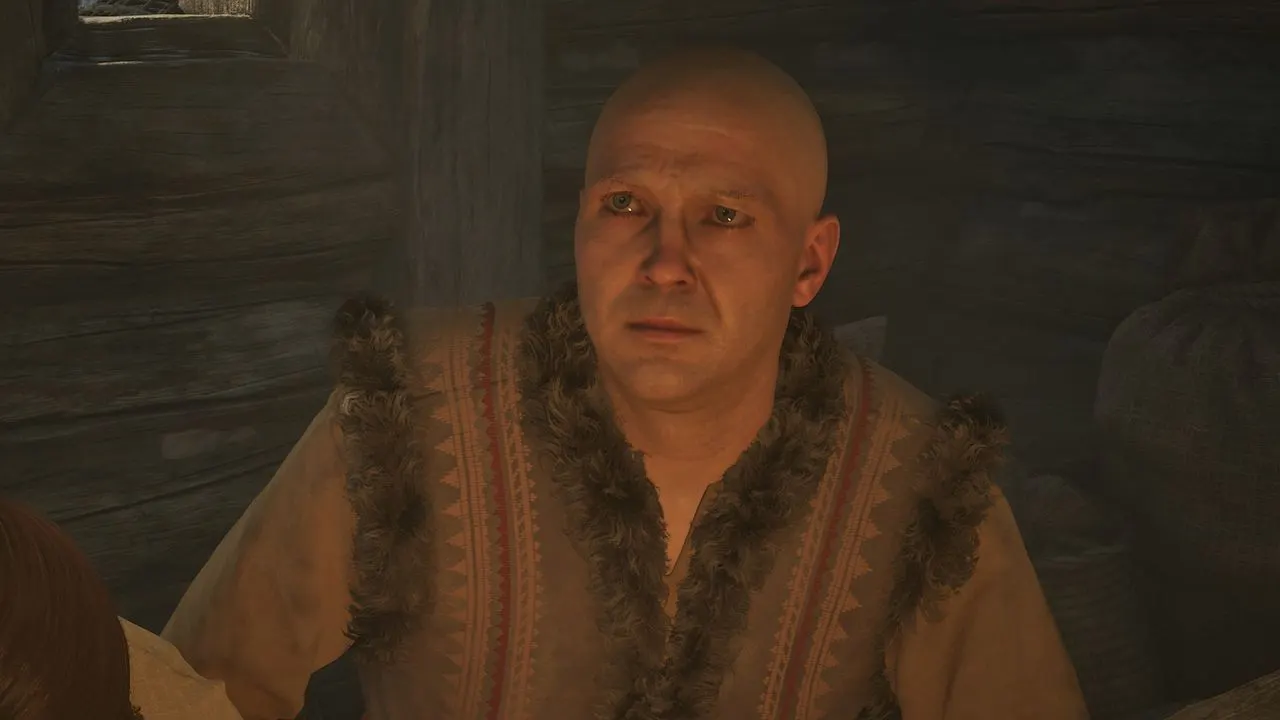
In The Blood of Dawnwalker’s opening section, players can choose whether Coen should try to force-feed his ill mother, Esme. The guide recommends refusing, as attempting it leaves Esme visibly more upset, although the choice does not affect the game’s longer-term story.
If Coen agrees, Esme knocks the spoon away and becomes distressed, prompting regret from his father, Pieter. If he refuses, Pieter makes the attempt instead and receives the same practical result, but Esme appears less distressed; in either case, Coen is then sent to Anca’s for herbs to help Esme endure the evening’s blood mass.
In short
- Refuse to force-feed Esme; it is less upsetting.
- Both choices produce the same outcome.
- The decision has no long-term consequences.
Steelman: both sides, in good faith
The strongest fair case each way — we don't pick a winner.
The case for
Coen could try to feed Esme because she is ill and may need nourishment, and a son might reasonably feel he should do what he can to care for her. The attempt is brief, and it could be seen as an understandable effort to help rather than a deliberate choice to upset her.
The case against
Refusing respects Esme’s distress and avoids making a difficult moment worse, especially since the attempt has no practical benefit: she knocks the spoon away either way. Letting Pieter try instead produces the same outcome while appearing to upset her less.
Explained simply
The Blood of Dawnwalker is a story-driven role-playing game in which players guide Coen through events involving his family and a vampire community. Esme is Coen’s ill mother, Pieter is his father, and Anca is someone Coen visits for help.
The choice concerns who tries to feed Esme when she is too unwell to eat willingly. It changes how distressed she appears in the moment, but does not alter the longer-term story. The scene also leads Coen to seek herbs before an evening ceremony called the blood mass.