World news and discussion on TalkFuse.
Silence on the lambs: High-priced cuts quietly vanish from Woolies shelves as the prized meat becomes too rich to stomach for some – and triggers too many thefts
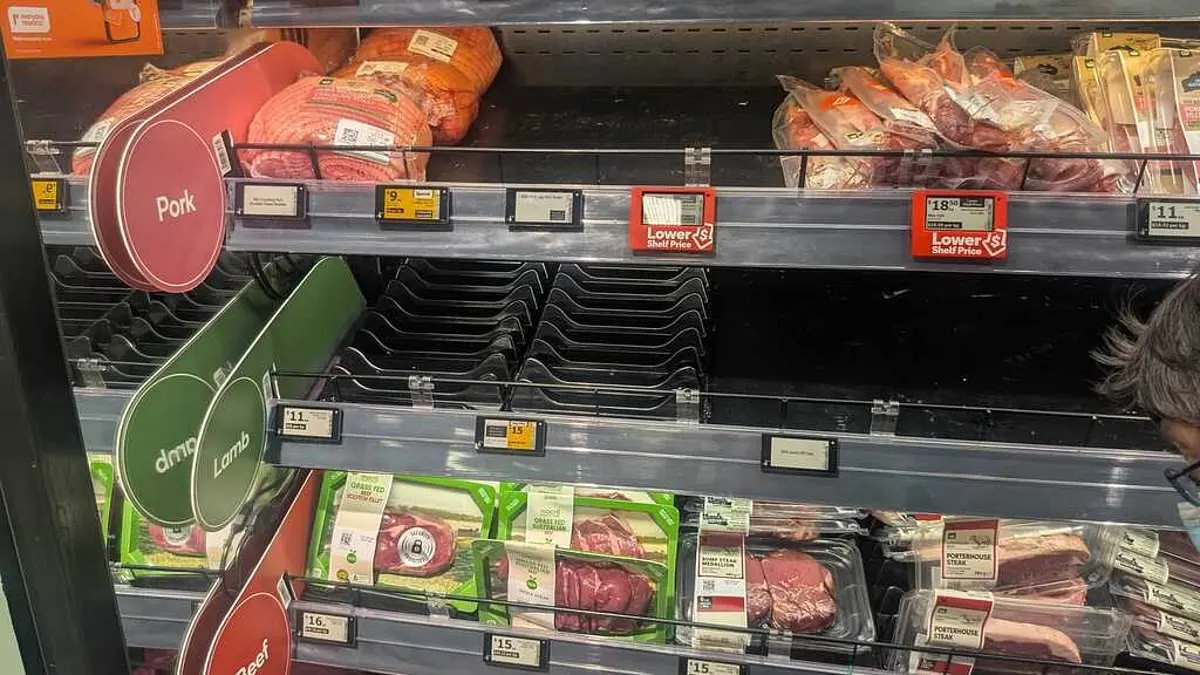
Woolworths has stopped stocking premium lamb at some metropolitan supermarkets, with a staff member at its Redfern store saying the cuts have been absent for weeks and may not return. The reported reasons are high prices, which put the meat beyond some customers’ budgets, and theft amid cost-of-living pressures.
Lamb cutlets can cost more than $60 a kilo, while a mini leg roast is listed at $27 a kilo and discounted mid-loin chops at $26. Redfern’s store still sells lamb mince and cheap offcuts at $12 a kilo, but its lamb shelf has often been empty or used for other meat. The article says retailers use security tags on premium meat; Woolworths declined to say how many stores are affected.
In short
- Some Woolworths stores have withdrawn premium lamb.
- Prices and theft are cited as reasons.
- Redfern still sells mince and cheaper offcuts.
Steelman: both sides, in good faith
The strongest fair case each way — we don't pick a winner.
The case for
Removing premium lamb from some stores can be a practical response to weak demand and repeated theft, while keeping affordable options such as mince and offcuts available. Retailers have to manage losses and shelf space, and avoiding price rises to cover theft may benefit the wider customer base.
The case against
Withdrawing premium cuts can narrow shoppers’ choice and make it harder for people who still want them to buy locally, particularly if the decision is driven by theft rather than a lack of demand. Their high prices already limit access, and keeping them available with proportionate security could preserve choice while addressing losses.
Explained simply
Woolworths is one of Australia’s largest supermarket chains, and lamb is a familiar meat in Australian cooking. Premium cuts such as cutlets and loin chops cost more than mince and offcuts, so they can be less affordable for shoppers on tight budgets.
Supermarkets decide which products to stock at each store, taking account of customer demand, price and the cost of running the shop. Theft can also affect what is available: retailers may use security tags on high-value goods, including meat. The issue matters to shoppers because it touches on food costs and what local stores choose to sell.