Culture news and discussion on TalkFuse.
Silent Hill: Townfall’s atmospheric horror loses force through predictable stealth
Developed over time first seen 2 months ago
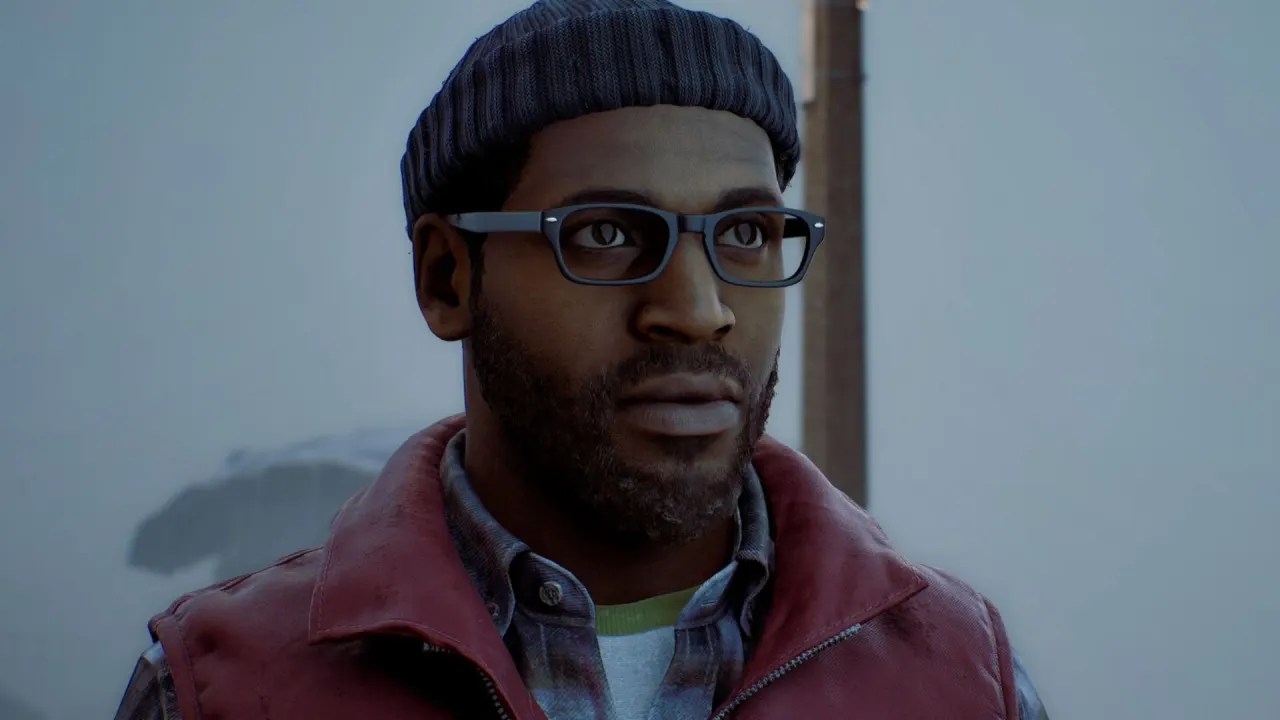
Silent Hill: Townfall receives a mixed review for its ambitious first-person horror premise set in a Scottish village, praised for atmospheric excellence but criticised for failing to maintain its psychological impact. The game impresses initially with strong sound design, vivid environmental storytelling, and genuinely frightening monster introductions that effectively exploit the first-person perspective. However, the experience diminishes significantly as it progresses, with stealth encounters becoming predictable through repeated enemy patterns and the narrative undermining the series' signature ambiguity by over-explaining its symbolism.
The story follows Simon Ordell investigating a crime in St. Amelia whilst uncovering themes of corporate exploitation, British imperialism, and pandemic-era anxiety. Puzzle design is generally solid, with one late-game pictogram challenge standing out as overly obtuse, whilst the exploration and key-finding mechanics follow familiar Silent Hill conventions. An unkillable Nemesis-like antagonist becomes frustrating rather than frightening over time, and the stealth gameplay descends into predictable routines lacking tension. The game was released on PlayStation and Windows PC on 24 September.
- Sources
- 4
- Outlets
- 4
- Left · Centre · Right
- 1 · 0 · 0
In short
- First-person horror impresses initially but becomes predictable and dull over time.
- Excellent atmosphere undermined by explicit narrative and repetitive stealth mechanics.
- Scottish setting and clever puzzles offset by overly explained symbolism.
How this story developed
- 2 months ago Further coverage pinpoints stealth gameplay as the game's critical vulnerability, with repeated enemy patterns systematically undermining initial tension by reducing encounters to predictable, mechanical routines devoid of horror.
- 2 months ago Critical reassessment emphasises that whilst Townfall delivers atmospheric horror and meaningful thematic content, its explicit narrative explanations and absence of surreal mystery ultimately undermine the franchise's signature psychological impact.
- 2 months ago Reviews highlight the game's thematic exploration of corporate exploitation, British imperialism and pandemic-era anxiety, confirm its 24 September release date, and identify how an unkillable antagonist devolves from frightening to tediously frustrating through repetitive encounters.
- 2 months ago Fuller critical assessment reveals that the game's frightening impact fades progressively, with weak stealth mechanics and limited surrealism preventing it from achieving the psychological depth of the series' finest works.
- 2 months ago Silent Hill: Townfall, a first-person horror game set in a Scottish village, initially impresses with atmospheric dread but diminishes as its symbolism becomes explicitly explained.
- IGN Silent Hill: Townfall Review
- Rock Paper Shotgun This week in PC games: Control: Resonant, Silent Hill: Townfall, and the history of Western philosophy as a pinball table
- The Guardian Silent Hill: Townfall review – shame and suffering on the Scottish coast
- Polygon Silent Hill: Townfall’s atmospheric horror loses force through predictable stealth
Full account
Silent Hill: Townfall transports players to St. Amelia, a fictional Scottish coastal community shrouded in mystery and decay. The protagonist, an American named Simon Ordell, awakens in the town's harbour with no clear recollection, bearing medical equipment that suggests a troubled past. The village itself presents as abandoned and economically devastated—shuttered storefronts, homes advertised for sale, and protest signage directed at an obscure corporate entity permeate the streets. This atmospheric opening establishes the narrative's foundation: a protagonist drawn into a setting where psychological trauma, societal breakdown, and hidden culpability intersect.
The title adopts a stealth-centric approach that diverges sharply from previous Silent Hill releases. Players navigate St. Amelia by moving cautiously to evade sound-sensitive creatures, employing a motion-sensing device as their primary tool. The puzzle design forms a central component of the experience, with exploration of confined, interconnected spaces rewarding curiosity. However, critical assessments of these mechanical foundations differ markedly. One assessment characterises the stealth systems as uninspired and notes that the puzzle solutions lack opacity, leaving players as passive observers rather than active investigators piecing together an obscure mystery. An alternative perspective emphasises the sustained psychological tension generated by the cautious gameplay loop and praises the complexity and satisfying resolution of the puzzle architecture.
Thematically, Townfall engages with the franchise's characteristic preoccupations—guilt, trauma, and psychological damage—whilst introducing fresh narrative territory. Corporate negligence and environmental contamination emerge as the tragic roots of St. Amelia's deterioration, extending the series' psychological focus into systemic wrongdoing. Simon Ordell's characterisation is notably restrained compared to protagonists from earlier titles, displaying emotional depth through understated performance as his backstory unravels. The game additionally incorporates perspective shifts to secondary playable characters, expanding its narrative scope beyond a single viewpoint.
The divergence in reception centres on whether Townfall succeeds in delivering the series' distinctive aesthetic and psychological impact. One account contends that the execution lacks the surreal, enigmatic presentation that defines superior Silent Hill experiences—the horror feels over-explained rather than intuitively unsettling, and the visual-symbolic language registers as heavy-handed rather than evocative. Conversely, a second assessment finds the narrative's mystery sufficiently compelling to maintain engagement throughout, and regards the introduction of corporate and environmental themes as a meaningful evolution of the franchise's thematic palette. The fundamental disagreement concerns whether Townfall sustains its initial promise or gradually exhausts its artistic coherence.
Where outlets differ
From the full account, which is AI-written from the sources:
Stealth gameplay: Source 1 criticises it as 'lackluster'; Source 2 emphasises the tension and engagement it creates
Puzzle design: Source 1 finds solutions obvious and transparent; Source 2 describes puzzles as 'tremendously satisfying' and complex
Presentation and delivery: Source 1 contends the horror is 'too on the nose' and lacks enigmatic ambiance; Source 2 appreciates the visual disturbance and new thematic directions
Overall trajectory: Source 1 suggests diminishing returns and fatigue; Source 2 describes growing investment and appreciation despite initial monotony in characterisation
Thematic assessment: Source 1 criticises unadorned metaphors; Source 2 praises the exploration of corporate greed and environmental mismanagement as fresh contributions to the series
Steelman: both sides, in good faith
The strongest fair case each way — we don't pick a winner.
The case for
The game's design reflects a deliberate philosophy of making psychological horror more accessible and thematically coherent. By clarifying narrative meaning and ensuring stealth encounters follow learnable patterns, the developers enable player agency rather than mere frustration, whilst explicitly addressing themes of corporate exploitation and imperialism creates substantive commentary that enriches the experience. For many, understanding a horror game's thematic purpose enhances rather than diminishes psychological impact, making clarity a virtue rather than a flaw.
The case against
Effective psychological horror depends fundamentally on unpredictability and uncertainty—qualities that collapse once enemy patterns become recognisable and threats feel routine. Silent Hill's historical strength lies in ambiguity that allows players to generate their own dread, so over-explaining symbolism and rendering encounters predictable undermines what distinguishes the series. An antagonist that frustrates rather than frightens fails horror's essential purpose, and stealth mechanics descending into comfortable routine cannot sustain the psychological tension the genre requires.
Explained simply
Silent Hill is a horror video game series recognised for building fear through atmosphere, mystery and psychological unease rather than direct scares or explicit storytelling. Townfall is a new entry in the franchise, presented from a first-person perspective and set in a detailed Scottish location, marking a notable shift in how the series presents itself. The games have long been valued for ambiguous, unsettling narratives that linger with players after they finish.
The game follows a protagonist solving puzzles and navigating environments whilst uncovering a mysterious situation through environmental clues and cryptic messages. Like other games in the series, it uses sound design, visual detail and musical score to build atmosphere and dread as the story progresses. The experience combines exploration and puzzle-solving in an attempt to create an unsettling mood.
What matters is that Silent Hill players expect their horror to work through suggestion, ambiguity and psychological tension rather than explicit explanation. Whether Townfall maintains this approach whilst remaining genuinely frightening determines how successful it is as an entry in the franchise. The game is measured not just on whether it scares, but on how effectively it captures the series' distinctive style.
Coverage · 4 sources
- PolygonSilent Hill: Townfall’s atmospheric horror loses force through predictable stealth
- IGNSilent Hill: Townfall Review
- Rock Paper ShotgunThis week in PC games: Control: Resonant, Silent Hill: Townfall, and the history of Western philosophy as a pinball table
- The GuardianLeftSilent Hill: Townfall review – shame and suffering on the Scottish coast
Read the full article at the source →
Originally published by Polygon as “Silent Hill: Townfall Is Genuinely Scary, Then Gets Really Dull | Review”.